Bay Area Slang Words The Complete Dictionary of Bay Area Slang and Street Talk
Bay Area slang words come from the diverse culture of Northern California, especially cities like San Francisco, Oakland, and San Jose.
This slang blends hip-hop influence, street culture, and tech-era language, making it unique and constantly evolving.
One common term is “hella,” meaning “very” or “a lot,” widely used to emphasize something, like “hella good” or “hella fast.”
Another popular word is “hyphy,” which describes an energetic, wild, and fun lifestyle or music style that started in the Bay Area. People also use “slaps” to describe music that sounds really good, like “this song slaps.”
Table of Contents
Quick Table
| Slang Word | Meaning | Example |
|---|---|---|
| Hella | Very / a lot | “That’s hella good.” |
| Hyphy | Energetic, wild vibe | “The party is hyphy tonight.” |
| Slaps | Very good (usually music) | “This song slaps.” |
| Bussin | Extremely tasty (food) | “This pizza is bussin.” |
| Ghost ride the whip | Dance outside a moving car | “They ghost rode the whip at the party.” |
| On some real | Speaking honestly | “I’m on some real, that’s true.” |
| Cho | Yes / agreement | “Cho, let’s go!” |
| Scraper | Custom lowrider car | “He’s driving a clean scraper.” |
| Turf | Local neighborhood area | “That’s my turf.” |
| Feezy | Easy / no problem | “That task was feezy.” |
Popular Bay Area Slang Words You Should Know
In Bay Area street talk, “ghost ride the whip” refers to getting out of a moving car and dancing beside it, a trend that became viral in the hyphy movement. “Bussin” is used when food is extremely delicious.
The word “cho” is a casual slang for “yes” or agreement in some local circles. Tech influence has also added words like “sandboxed” or “disrupt,” often used in startup conversations.
Another phrase, “on some real,” means speaking honestly or seriously.
Bay Area slang reflects creativity, youth culture, and diversity. It changes quickly and spreads through music, social media, and everyday conversations, making it one of the most dynamic slang styles in the United States.
Moving to the Bay Area taught me tech, traffic, and a whole new way of talking.
I still remember my first team standup in San Francisco after relocating from the East Coast for a startup gig. The engineer next to me goes, “Yo, this sprint is hella packed, but we finna crush it. Yee?”
I nodded like I knew exactly what was up, but inside I was scrambling.
Hella what? Finna? I spent the next few weeks quietly googling phrases during lunch breaks while eating overpriced burritos, trying not to sound like the clueless transplant I was.
That was years ago. Now I drop Bay Area slang without thinking twice, and it’s honestly made my life here smoother—whether I’m negotiating with vendors, chatting with rideshare drivers, or just surviving happy hours in the Mission.
If you’re new to the Bay, remote worker thinking of moving, or just visiting for a conference, this guide comes from real streets, not some dictionary. I’ve messed up plenty, learned the hard way, and now I’m passing it on so you don’t have to.
Why Bay Area Slang Even Matters Here
The Bay isn’t just tech bros in hoodies. It’s a mix of longtime locals, immigrants, hip-hop culture from Oakland, foggy SF vibes, and Silicon Valley hustle.
Slang is the glue. It’s fast, efficient, and carries attitude. Miss it and you might feel like an outsider in meetings or at parties where deals actually happen over drinks.
I learned this the awkward way early on. A coworker asked if I was “tryna grab boba later.” I said something formal like “Sure, that sounds nice,” and got a weird look. Turns out it was a casual invite, not a commitment. Small stuff like that builds (or kills) rapport quick.
The Heavy Hitters: Must-Know Words You’ll Hear Daily
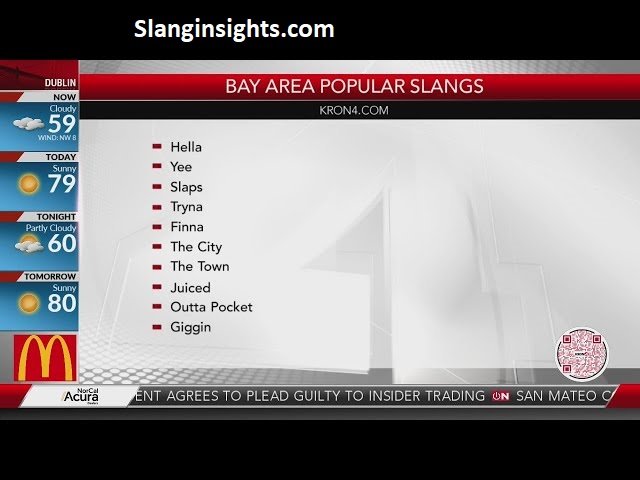
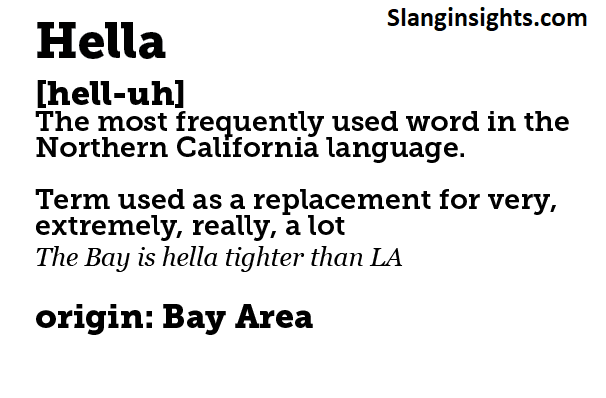
Hella – This is the king. Means “very” or “a lot.”
I use it constantly: “Traffic on 101 is hella bad today.” Or “That demo went hella smooth.” It’s versatile and instantly marks you as local. Pro tip: Don’t overdo it at first or you’ll sound like you’re trying too hard. I did that in my first month and a native laughed, “You’re not from here, huh?” Lesson learned—ease in.
Yee (or Yeee with extra enthusiasm) – Basically an excited “yes.”
“Wanna link up after the all-hands?” “Yeee.” Drag out the “ee” when you’re pumped. I’ve closed casual syncs and weekend plans with this. It’s way more fun than plain “sure.”
Tryna – Short for “trying to,” but often means “do you want to?”
“Tryna hit the new spot in Oakland?” It’s low-pressure. Saying “nah, not tryna” is an easy out. Saved me from a million awkward commitments.
Good looks – Thank you, basically. Short for “good looking out.”
Someone shares a shortcut for BART delays or fixes your code? “Good looks, bro.” Texts it all the time. Feels warmer than plain “thanks.”
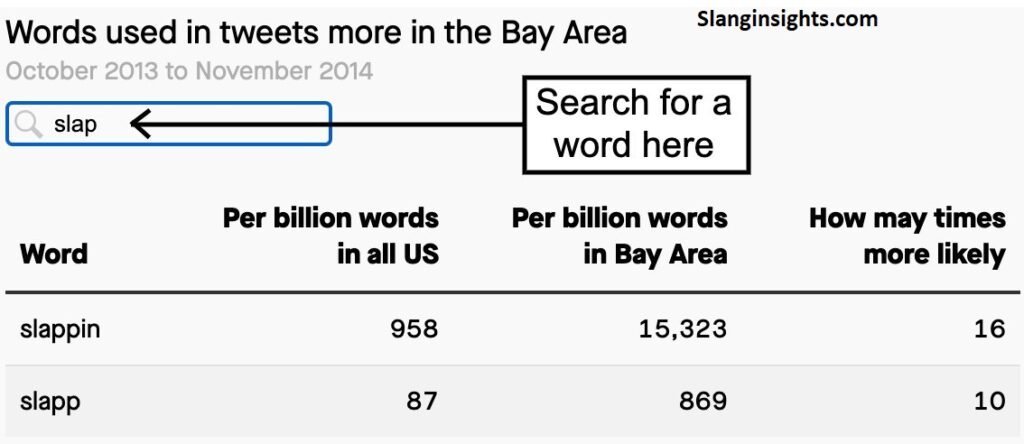
Slaps – Something is really good, usually music or food.
“That new playlist slaps.” Or “These tacos slap.” I’ve used it at team offsites when the speaker playlist was fire. Music discovery here is serious—Bay Area hip-hop roots run deep.
Finna – About to, or going to.
“I’m finna head out to the office.” Quick and casual.
Hyphy – Getting wild, energetic, rowdy in a fun way. Comes from Bay hip-hop.
“That party got hyphy after midnight.” I’ve seen it at warehouse events in Oakland. Just don’t confuse it with something negative—context matters.
The City and The Town – SF is “The City,” Oakland is “The Town.” No need for full names.
“Heading to The City for a meeting.” Super common, even in emails sometimes.
Other regulars I hear: “Outta pocket” (out of line), “ Yadadamean” (you know what I mean?), “Cutty” or “Cuddy” (close friend), “Fasho” (for sure).
Real-Life Scenarios Where Slang Saved (or Sank) Me
Tech scene survival: In product reviews or standups, people sprinkle slang naturally. Early on, I stayed quiet. Once I started matching the energy—“This feature is hella clean”—conversations flowed better. It shows you’re plugged in.
Dating and social stuff: Apps like Tinder or Hinge here are full of it. Matched with someone who said “Yee, let’s link in The Town.” I knew the vibe immediately. Missed a few because I responded too stiffly at first.
Everyday grind: Ordering food, talking to mechanics, or even at the gym. “This beat slaps” at a SoulCycle class got me chatting with locals who gave me the real scoop on hidden trails.
One funny fail: At a networking event in SoMa, I tried sounding cool and said something was “hella hyphy.” The group paused. Turns out mixing them wrong just sounded off. They were nice about it, but I learned to listen more than speak at the beginning.
How to Pick It Up Without Sounding Fake
- Listen first. Ride BART, hit local spots in Oakland or the Avenues in SF, or join casual tech Slack/Discord groups. Eavesdrop (politely).
- Start small. Pick 3-4 words like hella, yee, good looks. Use them in low-stakes texts.
- Context is everything. Slang shifts by neighborhood—SF vs. East Bay vs. Peninsula. Oakland’s hyphy scene feels different from Palo Alto tech talk.
- Apps and media help. Listen to local rappers (Too $hort is classic for that raw flavor), watch Bay Area YouTubers, or TikToks explaining it. I binged some while commuting on Caltrain.
- Practice in real time. Next time a friend does you a solid, hit them with “good looks” instead of “thanks.” Builds the habit.
Tools that helped me: Local Reddit threads (r/bayarea, r/AskSF), Spotify playlists tagged “Bay Area,” and just living it. No fancy app needed—immersion works best.
Common Mistakes Newcomers Make
- Overusing it immediately. Sounds forced.
- Using it in super professional settings with older execs who might not vibe with it.
- Mixing up regions—some SoCal folks visit and blend slang wrong.
- Assuming everyone uses it the same. Generational and cultural differences exist. What flies with 20-something engineers might land different with longtime residents.
- Forgetting the attitude. It’s not just words; it’s chill confidence.
I once called SF “Frisco” in front of a native. Big no-no. They corrected me quick but kindly. Respect the local ways.
It’s More Than Words—It’s Culture
After half a decade here, slang isn’t just shortcuts. It’s how people bond in a place full of transplants and hustle. It carries the energy of sideshows in Oakland, foggy mornings in the Richmond, tech pivots in Mountain View, and everything in between.
Next time you’re stuck in traffic on the Bay Bridge, mutter “hella traffic” to yourself. Or text a coworker “Yee, let’s sync tomorrow.” Small things make you feel less like a visitor and more like you belong.
If you’re moving here or just passing through, lean into it. The Bay rewards people who adapt. And who knows—you might find yourself explaining “hella” to the next wave of newcomers someday.
What’s your favorite Bay Area phrase you’ve picked up? Drop it in the comments. I’m always down to learn more. Stay hyphy out there. Yee.
FAQ’s
What is Bay Area slang?
Bay Area slang refers to informal words and phrases used in Northern California cities like San Francisco and Oakland, shaped by hip-hop, street culture, and tech influence.
Why do people say “hella” in the Bay Area?
“Hella” means “very” or “a lot.” It became popular in Northern California and is one of the most iconic Bay Area slang terms.
What does “hyphy” mean?
“Hyphy” describes an energetic, wild, and fun vibe, often linked to Bay Area music and party culture.
What does “slaps” mean in slang?
“Slaps” is used to describe something really good, especially music. For example, “This beat slaps.”
Is Bay Area slang still popular today?
Yes, many terms like “hella,” “slaps,” and “bussin” are still widely used in social media, music, and daily conversation.
Conclusion
Bay Area slang words represent one of the most creative and fast-evolving language styles in the United States.
Originating from Northern California cities such as San Francisco, Oakland, and San Jose, this slang reflects a mix of cultural influences including hip-hop, street culture, and the region’s tech-driven lifestyle.
Words like “hella,” “hyphy,” and “slaps” have become widely recognized not only in California but also across social media platforms and global youth culture.
These expressions often carry strong emotion, energy, or emphasis, making everyday conversations more expressive and dynamic.
What makes Bay Area slang unique is its ability to constantly evolve. New words emerge from music, online trends, and local communities, while older terms remain deeply rooted in regional identity.
It also reflects the diversity of the Bay Area, where different cultures and languages blend together to create fresh expressions.
Whether someone is describing food as “bussin,” agreeing with “cho,” or talking about a “hyphy” party, the slang adds personality and attitude to communication.
Overall, Bay Area slang is more than just vocabulary—it’s a cultural identity that continues to influence modern language, especially among younger generations and digital communities around the world.