White Heart Meaning in Texts, Instagram & TikTok – Decoded

White Heart Meaning emoji meaning centers around pure love, comfort, peace, loyalty, and calm affection.
Unlike the intense red heart, it expresses warmth without drama — making it perfect for friendships, family bonds, and gentle support.
It is also a popular choice for showing solidarity, condolences, and well wishes during times of grief or loss, often appearing in memorials and tributes.
In spiritual contexts, it can symbolize purity or divine love, while on platforms like Instagram and TikTok, it fits a clean, minimalist aesthetic.
People reach for the white heart when a moment calls for sincerity without intensity — care that won’t be misread as something more than it is.
Table of Contents
Quick Table
| Meaning | Context |
|---|---|
| Pure Love | Expressing sincere, unconditional affection |
| Friendship | Warm bond without romantic undertones |
| Peace & Calm | Gentle, soothing emotional support |
| Grief & Condolences | Memorials, tributes, loss |
| Purity | Spiritual or angelic symbolism |
| Aesthetic | Clean, minimalist social media vibe |
| Loyalty | Steady, trusted relationships |
| New Beginnings | Fresh starts, hope, clarity |
What Is white heart meaning?
So there I was, sitting in a café, scrolling through my Instagram DMs, when my friend Sana sent me a after I’d shared something pretty personal with her. And I just… froze.
Was that warm? Cold? Was she being sincere or subtly distant? I genuinely had no idea. I typed back “thanks” like I understood what I was doing, but honestly, I was Googling it under the table with my other hand.
That was about two years ago. Since then I’ve spent way more time than I’d like to admit studying how people actually use the white heart — across WhatsApp, Instagram, Twitter/X, TikTok comments, and even in text messages.
And what I found out is that this little emoji carries way more emotional weight than its simple appearance suggests.
First, Why the White Heart Is Different From Other Heart Emojis
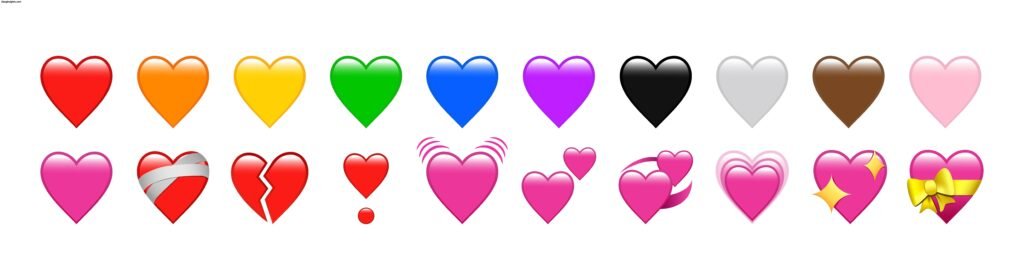
Here’s the thing people don’t realize: all heart emojis aren’t just different colors. They carry different emotional temperatures.
The red heart is passionate, bold, sometimes romantic — it’s the default “I love you” emoji. The blue heart is friendship or corporate-safe. The green heart is casual, sometimes environmental. The black heart? That’s ironic love, dark humor, or aesthetic vibes.
The white heart sits in its own lane entirely.
White, visually, communicates purity, calm, softness, and sincerity without intensity. It’s the emoji equivalent of a gentle hand on the shoulder. It doesn’t shout. It doesn’t demand anything back. That’s exactly what makes it so hard to read if you’re not used to it.
The Core Meanings People Actually Use It For
After a lot of observation (and honestly, a few awkward conversations where I asked people directly), here’s what I’ve found the white heart genuinely represents:
Deep, Quiet Care — Without the Drama of Red
The white heart is what people reach for when they want to say “I care about you deeply” but don’t want it to feel dramatic or romantic unless the context is clearly that.
My sister uses it with me more than any other emoji. It’s become our shorthand for “I love you, I see you, I’m here” — and it doesn’t feel over the top. That’s actually hard to achieve with words.
Mourning, Loss, and Memorial Posts
This one surprised me when I first noticed it. On social media — especially Instagram and Twitter — the white heart shows up heavily in grief-related posts. When someone passes away and a friend shares a tribute, the comments are often filled with.
The reasoning makes emotional sense once you see it: white is associated with peace, heaven, angels, and remembrance in many cultures. It’s a way of honoring someone without the heaviness of black (which reads more gothic than grieving in emoji culture) or the romantic connotation of red.
If you’ve ever lost someone and posted about it, you probably received a wave of white hearts. That wasn’t people being cold — that was people offering something gentle and sacred.
Aesthetic and Minimalist Content
Okay, this is where the white heart gets a bit more surface-level, but it’s still worth knowing. On TikTok and Instagram Reels, creators who run white, neutral, or minimalist feeds love the white heart for captions. It fits the visual theme. It’s clean, chic, and doesn’t disrupt the color palette.
If a fashion blogger posts a flat lay of beige linen and ends the caption with that’s mostly aesthetic. It’s not necessarily loaded with deep emotion — it’s part of the visual brand.
Don’t read too much into those.
Soft Romantic Interest
This is where it gets genuinely complicated. The white heart can be used in early-stage romantic contexts — when two people are clearly interested in each other but haven’t made it official or intense yet.
A crush texting you goodnight with instead of might mean: “I really like you, but I’m not ready to go all-in with the red heart just yet.” It’s tender. Cautious. Sweet.
I’ve seen this play out in real conversations, and honestly it’s kind of endearing once you understand it. The white heart in romance is like the “talking” stage of emoji hearts.
Platonic Love That’s Genuinely Deep
Not everything needs to be romantic or grief-related. Sometimes people use the white heart simply because they love someone — a best friend, a parent, a sibling — and red feels too intense, while others feel too casual.
My friend group has genuinely migrated to as our go-to “you matter to me” symbol over the last year. No romantic element. No grief. Just: you’re my person.
How Context Changes Everything
This is the actual lesson I learned from my café confusion moment.
The same white heart can mean completely different things depending on:
Who’s sending it: A close friend vs. a coworker vs. someone you just met.
What the conversation is about: Sharing something vulnerable vs. reacting to a cute dog photo vs. discussing someone who passed away.
What platform you’re on: A TikTok comment is almost always aesthetic appreciation. A personal WhatsApp message after you confide something is deep care.
What came before it in the conversation: If someone just said “I’m going through a hard time” and gets a, that’s support. If someone just posted a white dress and gets a, that’s a compliment.
The emoji itself is a vessel. Context fills it.
Mistakes I’ve Made (So You Don’t Have To)
Assuming it’s cold or distant.
When I first got that from Sana, I actually thought she was being slightly formal or emotionally guarded. I was wrong. It was one of the most sincere moments of our friendship. Don’t make my mistake — white ≠ cold.
Using it in professional contexts without thinking.
I once sent a to a colleague after they helped me on a project. They responded with a slightly confused “haha thanks” and I realized I’d made it weird. The white heart is still a heart — know your audience. For professional appreciation, stick to or
Over-analyzing it from someone you’re interested in.
I spent a full evening once trying to decode whether a guy I liked meant “romantic white heart” or “friendly white heart.” I asked two friends. One said romantic. One said friendly. Neither was helpful.
Sometimes you just have to look at the broader context of the conversation and not spiral.
Thinking it’s always grief-related.
If your friend sends you after you post a cute selfie, they’re not implying you’re dying. Context, context, context.
A Quick Guide: When to Actually Use the White Heart
Here’s when the genuinely lands well:
- Supporting a friend going through something difficult — It’s softer than and feels genuinely comforting.
- Honoring someone who passed away — In comments or memorial posts, it’s become a universally understood symbol.
- Expressing deep platonic love without making it feel overly intense.
- Aesthetic captions on minimalist or neutral-toned content.
- Early romantic texting when you want to signal warmth without going full red heart yet.
And when to maybe hold back:
- Work or professional conversations (unless you know the person well).
- When you want to express something unmistakably romantic — use or so there’s no ambiguity.
- When someone might interpret white as cold or indifferent — some people still haven’t caught on to the warmth it carries.
What Different Platforms “Hear” When You Send It
Worth knowing: the emoji looks slightly different across platforms, which can subtly affect perception.
On Apple devices, the is a clean, crisp white heart on a white background with a soft outline — very elegant.
On Android/Google, it appears more solid and slightly bolder.
On Twitter/X, it’s used heavily in fan communities — particularly in K-pop and fandoms — as a general appreciation symbol.
On WhatsApp, it feels more personal since that’s a direct messaging platform, so it reads more emotionally.
Same emoji, different emotional weight depending on where it lands.
The Cultural Layer
It’s also worth mentioning that color symbolism varies across cultures. In many Western contexts, white is associated with weddings, purity, and peace. In some East Asian cultures, white can be associated with mourning and funerals.
So if you’re messaging someone from a different cultural background, the white heart might land differently than you expect — or it might land exactly right, depending on what you’re trying to say.
This isn’t a reason to overthink every emoji. But it’s worth knowing if you’re having a conversation that really matters.
What I Think the White Heart Has Become
Honestly? I think the white heart has quietly become one of the most emotionally intelligent emojis we have.
Red is loud. Pink is flirty. Black is ironic. But white is still. Soft. Present.
It’s become the emoji for “I care, and I don’t need to make a big deal of it.” And in a culture that often performs emotion loudly on social media, that quietness actually feels meaningful.
My friend Sana, by the way, explained it perfectly when I finally asked her about that message two years later. She said: “I didn’t want to say anything that felt too big or too small. The white heart felt like the right size.”
FAQs
What does the white heart mean in a text?
It means calm affection, care, or friendship — a warm but non-intense way to show someone you value them.
Is the white heart romantic?
Not usually. It leans more toward gentle love, platonic bonds, or emotional support rather than passionate romance.
What does a white heart mean in grief?
It symbolizes peace, purity, and remembrance — commonly used in memorials and condolence messages to honor someone who has passed.
What is the difference between a white heart and a red heart?
The red heart signals intense romantic love, while the white heart represents calm, sincere, and pure affection without the passion.
Why do people use the white heart on Instagram and TikTok?
It fits a clean, minimalist aesthetic and is widely used in captions, comments, and story reactions to express soft appreciation or support.
Conclusion
The white heart is one of the most quietly powerful symbols in digital communication today. On the surface, it looks simple — just a heart drained of color.
But its meaning runs surprisingly deep. It carries pure love without pressure, friendship without romantic confusion, and grief without words.
It shows up in some of our most meaningful moments — in messages of comfort sent to a grieving friend, in wedding celebrations, in spiritual reflections, and in the soft appreciation shared between close companions.
What makes the white heart so special is its versatility. It never feels too intense or too casual. It sits comfortably in almost any conversation — between a parent and child, between best friends, between strangers offering condolences online.
Its calm, muted tone signals something important: that care doesn’t always need to be loud to be real.
Whether you receive it in a late-night text, see it flooding a memorial post, or spot it in a minimalist Instagram caption, the white heart is always saying the same thing at its core — I see you, I care, and my intentions are pure.
In a world full of noise, the white heart quietly chooses sincerity every single time. That is exactly why it continues to grow in popularity across every platform and every generation.