Mexican Slang for Homie That’ll Make You Sound Fluent And Real Slang Explained

Mexican Slang for Homie In Mexican Spanish, there isn’t just one word for “homie” — there are several, depending on region and vibe.
The most common is “carnal,” which literally implies a brotherly bond, used for a close friend. “Compa” (short for compadre) is casual and widely used across Mexico.
“Cuate” is popular in central Mexico, especially Mexico City. “Mano” or “manito” (short for hermano) means “bro” and is affectionate.
In northern Mexico, you’ll hear “compita.” Younger generations also use “wey” loosely among friends, though it’s more like “dude.” Each term carries slightly different regional flavor, but all convey closeness and trust between friends.
Table of Contents
Quick Table
| Slang | Literal Meaning | Region/Usage | Vibe |
|---|---|---|---|
| Carnal | “Carnal” (blood-related) | All over Mexico | Close, brotherly |
| Compa | Short for compadre | Very common, nationwide | Casual, friendly |
| Cuate | — | Central Mexico/CDMX | Friendly, classic |
| Mano / Manito | Short for hermano (brother) | Nationwide | Warm, affectionate |
| Compita | Diminutive of compa | Northern Mexico | Casual, light |
| Wey | — | Nationwide (younger crowd) | Casual, more “dude” than “homie” |
The Day I Realized Textbook Spanish Wasn’t Enough
I’d been learning Spanish for about a year, felt pretty confident, and decided to drop “amigo” into a conversation with my buddy’s cousins like I was fitting right in.
One of them looked at me, smiled, and said “amigo? ¿qué eres, una tarjeta de cumpleaños?” (translation: “amigo? what are you, a birthday card?”)
Turns out “amigo” is technically correct but it’s the Spanish equivalent of calling your best friend “acquaintance.” Nobody talks like that in real life, especially not in Mexico.
That night I learned more useful slang in three hours than I had in months of Duolingo.
If you’re trying to actually sound like you belong in a conversation with Mexican friends, coworkers, or even just people you’re chatting with on Discord or Instagram, this is the stuff that matters.
Why “Amigo” Doesn’t Cut It
Here’s the thing nobody tells you when you’re learning Spanish through an app.
Formal textbook words exist, but real people don’t use them casually. It’s like if someone learning English only knew “companion” or “associate” instead of “dude,” “bro,” or “man.”
So when Mexicans talk about their close friends, they reach for slang that carries warmth, humor, and regional identity.
Using the right word isn’t just about sounding cool. It actually signals you respect the culture enough to learn how people really talk.
The Main Words You’ll Actually Hear
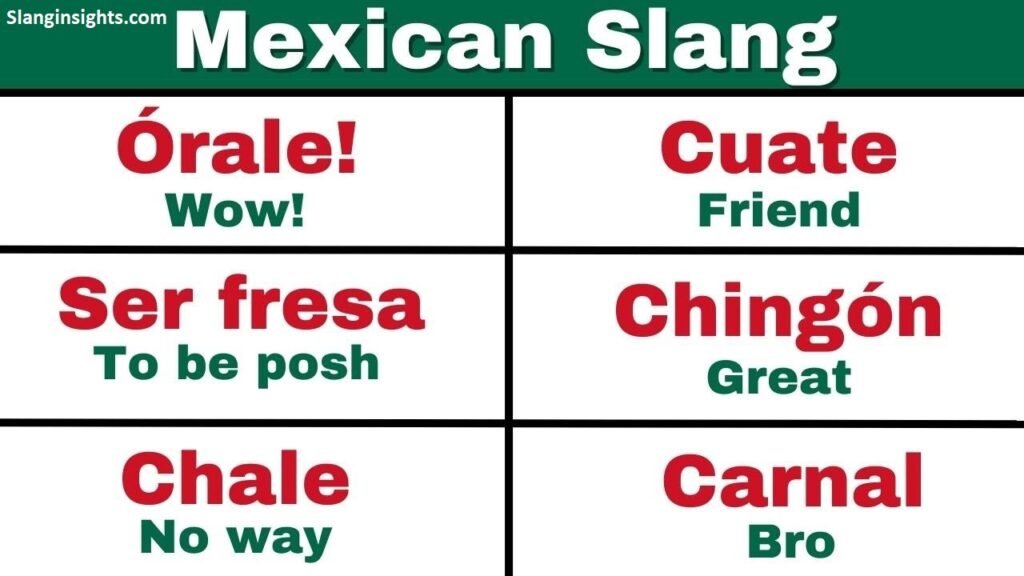
Carnal
This is probably the most iconic one. “Carnal” comes from the word “carne” (flesh), so it basically means someone who feels like blood, like family even if you’re not related.
I use this with my closest guy friends now, the ones I’d call at 3am if my car broke down. You wouldn’t say this to someone you met an hour ago. It carries weight.
Example: “Oye carnal, ¿me ayudas a mudarme el sábado?” (Hey bro, can you help me move on Saturday?)
Wey (also spelled “güey”)
This one’s everywhere. Seriously, everywhere. Young people in Mexico use “wey” the way American teenagers use “dude” or “bro,” sometimes five times in one sentence without even noticing.
A funny thing happened the first time I tried using it. I used it with my Spanish teacher, who was in her 50s, and she just stared at me. Context matters with this word. It’s casual, almost too casual, so save it for people your own age or close friends.
Example: “¿Qué onda wey, todo bien?” (What’s up dude, all good?)
Compa
Short for “compadre,” which technically refers to a godfather relationship but evolved into general slang for “buddy” or “pal.” This one feels a little more laid-back and is used a lot in working-class and rural areas, though you’ll hear it in cities too.
I picked this one up from a mechanic who fixed my car in Mexico City. He called every customer “compa” and it instantly made the whole interaction feel friendlier.
Example: “Gracias compa, nos vemos la próxima.” (Thanks buddy, see you next time.)
Cuate
This is more old-school but still very much alive, especially among older generations or in certain regions. It means close friend, almost like a lifelong companion.
My father-in-law uses this constantly and honestly it makes him sound like a wise old sage every time he says it.
Example: “Es mi cuate desde la primaria.” (He’s been my buddy since elementary school.)
Mano / Manito
Short for “hermano” (brother), this one’s affectionate and a bit softer than “carnal.” You’ll hear “manito” used almost like a term of endearment, even between people who aren’t super close, just to keep things friendly.
Example: “Ayúdame con esto, manito.” (Help me with this, bro.)
Step-by-Step: How to Actually Start Using These Without Sounding Awkward
Learning the words is easy. Using them naturally without sounding like you’re trying too hard takes practice. Here’s what worked for me.
Listen before you speak.
Before using any of these words, just listen to how your Mexican friends or coworkers use them. Notice who they say it to and in what tone. WhatsApp voice notes are gold for this, people talk way more casually there than in texts.
Start with “compa” or “wey” in low-stakes settings.
These two are the safest entry points because they’re so widely used. Try them with people closer to your age first.
Save “carnal” for real friendships.
Don’t throw this one around with strangers. It can come off either confusing or a little try-hard if the relationship isn’t there yet.
Pay attention to region.
Mexico is huge, and slang shifts depending on where you are. In northern states like Sonora or Chihuahua, you’ll hear different expressions than in southern states like Oaxaca or Chiapas.
Apps like Spanish Dict have regional notes sometimes, but honestly, asking a local “¿cómo le dicen aquí a un amigo cercano?” (what do you call a close friend here?) works better than any app.
Watch Mexican shows and YouTube creators for context.
I picked up a lot from watching “La Casa de las Flores” on Netflix and listening to Mexican YouTubers like Luisito Comunica. Subtitles help, but turning them off occasionally forces your ear to catch the natural rhythm.
Real Examples From Conversations I’ve Actually Had
A friend once texted me “ya merito llego wey, el tráfico está cabrón” (almost there dude, traffic is brutal).
That one sentence taught me three things at once: casual greeting, complaint about traffic, and the word “cabrón” used as an intensifier rather than an insult, which is a whole other rabbit hole.
Another time, a guy at a taco stand called me “joven” first (formal-ish, means “young man”) and then once we started chatting more, switched to “compa” halfway through the conversation.
That shift told me he’d warmed up to me. Slang isn’t static, it changes mid-conversation depending on comfort level.
Common Mistakes People Make (I made most of these)
Using “carnal” or “cuate” too early. These feel intimate. Using them with someone you just met can feel either confusing or insincere.
Overusing “wey” in formal settings. Don’t say this to your boss, your in-laws (unless they’re very chill), or anyone significantly older than you unless they say it first.
Assuming it’s universal across Latin America. This is huge. “Wey” and “carnal” are very Mexican. If you use them in Argentina or Colombia, people might understand you but it’ll sound off, kind of like using British slang in Texas.
Mispronouncing “güey.” It’s not “way” like the English word. It’s more like “weh” with a soft sound. I said it wrong for months before someone corrected me.
Using slang with no context to back it up. If you drop five slang words into one sentence trying to sound fluent, it usually backfires. Natural speech mixes formal and casual language. Sprinkle, don’t dump.
Apps and Resources That Actually Helped Me
I’m not going to pretend I learned all this from textbooks because I didn’t. A few things genuinely helped along the way:
- Tandem and HelloTalk — language exchange apps where I’d literally just chat with people in Mexico and ask them to correct my slang in real time.
- Spanish with Paul on YouTube — solid breakdowns of Mexican slang specifically, not generic “Spanish 101” content.
- WhatsApp group chats — honestly the best teacher. Real conversations, real context, real mistakes corrected by real friends.
- Reddit’s r/Spanish and r/Mexico — locals there are usually happy to explain regional differences if you ask politely.
A Quick Word on Tone and Respect
None of this slang is meant to be performed like a costume. If you’re learning it because you genuinely want to connect with friends, coworkers, or a partner’s family, that intention comes through.
People can tell the difference between someone trying to mock an accent for laughs and someone who genuinely wants to communicate better.
I’ve found that admitting when you don’t know something, like asking “¿eso qué significa?” (what does that mean?), builds way more trust than pretending to know it all.
FAQ’s
What is the most common Mexican slang word for “homie”?
“Carnal” and “compa” are the two most widely used terms across Mexico, with “carnal” implying a deeper, almost brotherly bond.
Is “wey” the same as “homie”?
Not exactly. “Wey” is closer to “dude” or “man” in English — it’s used constantly in casual speech but doesn’t carry the same loyalty-driven meaning as “homie.”
Can I use “carnal” with someone who isn’t Mexican?
Yes, as long as the relationship is casual and friendly. It might sound a bit informal or playful if used with someone unfamiliar with the term, but it’s generally well received.
Is “cuate” used outside of Mexico City?
It’s most common in central Mexico, but it’s understood throughout the country, even if less frequently used in northern regions.
Are these slang words appropriate in formal settings?
No, all of these terms are informal and best used with friends or peers, not in professional or formal conversations.
Conclusion
Mexican Spanish offers a rich variety of slang words to express the idea of “homie,” each with its own regional flavor and emotional weight.
From the brotherly closeness of “carnal” to the everyday casualness of “compa,” these terms reflect the deep value Mexican culture places on friendship and loyalty.
“Cuate” brings a classic, central-Mexico charm, while “mano” and “manito” add warmth by literally invoking the word for brother. Meanwhile, “wey,” though more neutral in meaning, remains a staple of everyday conversation among friends.
Understanding these terms isn’t just about vocabulary — it’s about understanding culture.
Using the right slang in the right context can instantly make conversations feel more authentic and help you connect more naturally with Spanish speakers.
Whether you’re learning Spanish, traveling to Mexico, or just curious about language and culture, knowing these words gives you a deeper appreciation for how friendship is expressed in everyday speech.
So next time you want to greet a friend, try “¿Qué onda, carnal?” and watch how it lands.