Slang for Friend 20 Cool Ways to Say “Bro” Around the World
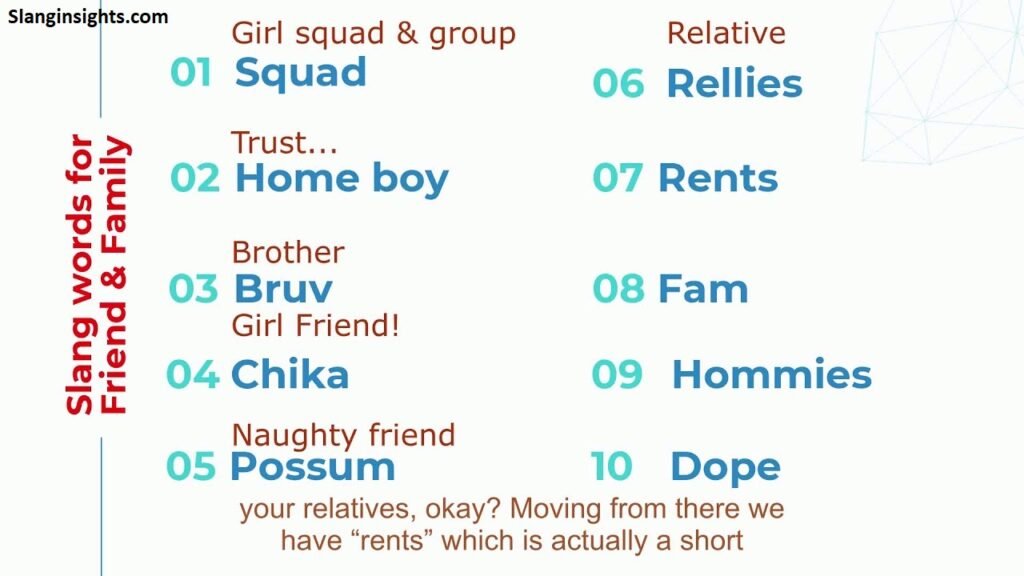
Slang for friend comes in many colorful forms across cultures and generations. In American English, people often say “bestie,” “homie,” “dude,” or “bro” to refer to a close pal.
British slang offers “mate” and “pal,” while Australians favor “mate” too, often paired with warmth and humor.
Gen Z has popularized terms like “bestie” and “fam” to describe tight friendships, while older slang includes “buddy,” “chum,” and “amigo.”
Regional and cultural variations add even more flavor, from “bruh” in casual American speech to “yaar” in South Asian communities. Whatever the term, slang for friend reflects closeness, casualness, and shared identity between people.
Table of Contents
Quick Table
| Slang Term | Region/Group | Example Usage |
|---|---|---|
| Bestie | US, Gen Z | “She’s my bestie forever.” |
| Homie | US | “What’s up, homie?” |
| Bro | US, universal | “Thanks, bro!” |
| Dude | US, casual | “Hey dude, you coming?” |
| Mate | UK, Australia | “Cheers, mate!” |
| Pal | UK, US | “Good to see you, pal.” |
| Buddy | US | “He’s my old buddy.” |
| Chum | UK, old-fashioned | “We’re old chums.” |
| Fam | US, Gen Z | “That’s my fam right there.” |
| Bruh | US, casual/slang | “Bruh, you’re crazy.” |
| Amigo | Spanish-influenced | “Hola, amigo!” |
| Yaar | South Asian | “Kya haal hai, yaar?” |
How One Message Sent Me Down a Friend Slang Rabbit Hole
Last month I was texting my cousin from London and she called me “fam” in the middle of a sentence. I paused, smiled, and then realized I had no clue how to reply without sounding like.
I was trying too hard. So I just typed “lol yeah bro” and moved on. Later that night it hit me — I use like ten different words for “friend” depending on who I’m talking to, and I’ve never actually sat down and thought about why.
That little text exchange is basically why this article exists.
I’ve spent way too much time on group chats, gaming Discord servers, and just hanging around with people from different cities and countries, and I’ve picked up a pretty solid mental map of who says what, when, and why it sometimes goes wrong.
If you’ve ever felt a tiny bit out of place because someone called you “bruh” instead of “buddy,” or you weren’t sure if “homie” was okay to say back, this one’s for you.
Why “Friend” Isn’t Just “Friend” Anymore
Here’s the thing nobody tells you — the word you use for a friend says a lot about your relationship, your region, and honestly even your age group. Calling your coworker “dawg” hits different than calling your childhood best friend “dawg.”
I learned this the hard way at a work happy hour. I called a new colleague “bro” within the first ten minutes of meeting him, thinking I was being friendly.
He gave me this polite but confused smile. Turns out in his office culture, that kind of casual talk was reserved for people you’d known for months, not minutes. Lesson learned — slang isn’t universal, it’s situational.
The Slang Words I Actually Hear (And Use) Every Day
Let me break these down the way I’ve actually experienced them, not the textbook version.
Bro / Bruh
This one’s everywhere now, honestly almost overused. “Bro” started as a shortened version of “brother” and it’s still the go-to for a lot of guys talking to other guys. “Bruh” is more of a reaction word now too — like when something wild happens, you just say “bruh” on its own.
I use “bro” mostly with close friends and gym buddies. I’ve noticed younger folks (like my teenage nephew) use “bruh” almost as punctuation, not even directed at a person half the time.
Dude
Classic, chill, works across genders honestly. “Dude, you won’t believe what happened today” sounds normal whether you’re a guy or a girl saying it. I use this one the most because it doesn’t feel forced, and it works in almost any casual setting.
Homie / Homeboy / Homegirl
This has roots in hip-hop and West Coast culture, but it’s spread everywhere now. It carries a bit more warmth than “bro” — like this is someone from your actual circle, someone you grew up around or trust.
A friend from Los Angeles taught me this isn’t just casual slang for him, it’s almost a badge of loyalty. He doesn’t call random acquaintances “homie.”
Mate
If you’re talking to someone from the UK, Australia, or New Zealand, “mate” is basically the default. I have a friend in Sydney who calls literally everyone “mate” — the barista, his boss, his dog. It’s less about closeness and more about general friendliness there.
Funny enough, when I visited Australia and tried using “mate” myself, it felt a bit off coming from my accent. Locals could tell I was borrowing it, and a few just laughed it off kindly.
Buddy / Pal
These feel a little older-school now, like something your dad or a coach would say. “Hey buddy, how’s it going?” I still use “buddy” with close friends ironically sometimes, almost like a joke because it sounds a bit dated.
Fam
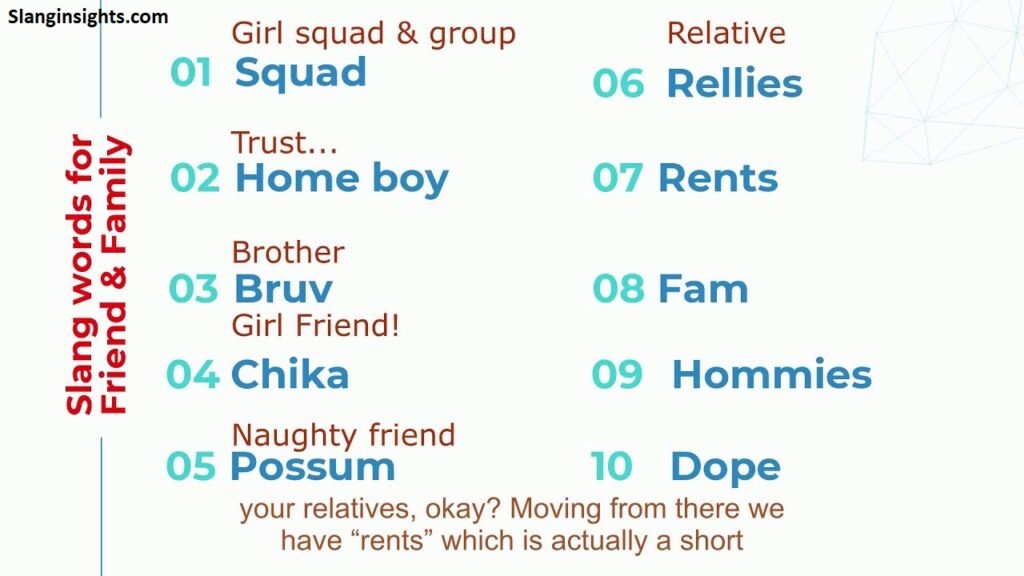
“Fam” is short for family, but it’s used for close friends who feel like family, not actual blood relatives. It’s popular in UK slang and has spread through American youth culture too, largely through social media and music.
This is the one that started this whole article for me. My cousin used it naturally, and honestly it made sense once I thought about it — she was saying I mean more to her than just a regular acquaintance.
Bestie
Once mostly used by girls to describe a best friend, “bestie” has gone mainstream. Guys use it now too, sometimes jokingly, sometimes seriously. TikTok definitely helped push this one into everyday conversation.

Bud
Shorter, softer version of “buddy.” Works well in casual, low-key conversations. “Thanks, bud” feels natural without sounding like you’re trying to impress anyone.
Cuz / Cuzzo
Similar vibe to “fam” — treating a close friend like a cousin. This one’s big in certain hip-hop and streetwear-influenced circles. I hear it a lot in gaming voice chats, especially from younger players.
G / Bro-G
Short for “gangster” originally, but now it’s mostly used as a casual term of respect between friends.
“What’s good, G?” is something I hear a lot in certain city subcultures, though I’ll admit I don’t use this one myself since it’s not really part of my natural vocabulary.
Step-by-Step: How to Actually Use These Without Sounding Awkward
I’ve made enough mistakes here to give you a shortcut. Here’s how I’d approach it if you’re not sure which word fits.
Step 1: Match the region first. If you’re talking to someone from the UK or Australia, “mate” almost always lands fine. In the US, “dude” or “bro” is safer as a starting point.
Step 2: Read the relationship level. New coworker or acquaintance? Stick with “dude” or just their name. Close friend or someone in your inner circle? “Bro,” “homie,” or “fam” work better.
Step 3: Watch how they talk to you first. This one saved me more than once. If someone calls you “bestie,” you can usually mirror it back. If they’re more formal, don’t force slang into the conversation.
Step 4: Don’t force regional slang you didn’t grow up with. My Australia story above is proof — people can usually tell when you’re borrowing a word that isn’t naturally yours. It’s not offensive, just a little awkward.
Step 5: Context matters more than the word itself. “Bro” in a text message hits different than “bro” said sarcastically in person. Tone and timing carry half the meaning.
Common Mistakes People Make With Friend Slang
- Using workplace-inappropriate slang too early. My “bro” story at that happy hour is a perfect example. Give it time before you get casual.
- Overusing one word until it loses meaning. If every single person is your “bro,” the word stops meaning anything special.
- Copying slang from social media without understanding the vibe. TikTok trends move fast, and using outdated slang can feel more cringe than cool.
- Assuming slang translates the same everywhere. “Mate” in Australia is casual and universal. In some American contexts, it can sound like you’re trying to imitate an accent.
- Ignoring tone in text messages. Slang without emojis or context can come across colder than intended, especially with people who don’t know you well yet.
A Few Real Examples From My Own Chats
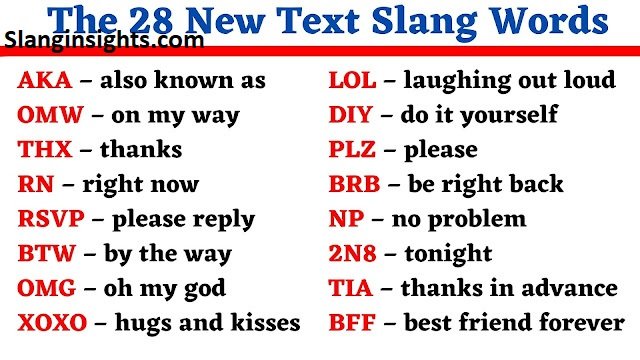
Just to make this less theoretical, here’s how these actually show up in my day-to-day messages:
- To my college roommate: “Bro, are we still on for tonight?”
- To my cousin in London: “Fam, that’s actually wild lol”
- To my Australian friend: “All good mate, see you Saturday”
- To my closest friend since childhood: “Buddy, remember that trip we took?”
- To my gaming group: “Cuzzo, that last match was rough”
Notice how the tone shifts slightly with each one. That’s really the whole point — the slang isn’t random, it’s a reflection of the actual relationship.

FAQ’s
What is the most popular slang word for friend?
“Bestie” and “bro” are among the most widely used slang terms for friend today, especially in the US and among Gen Z audiences.
What do British people call their friends?
In the UK, “mate” is the most common slang word for friend, often used in casual greetings like “Alright, mate?”
Is “homie” still used today?
Yes, “homie” remains popular, especially in American slang, to describe a close friend from one’s neighborhood or inner circle.
What’s a unique slang word for friend from another culture?
“Yaar,” used in South Asian communities, is a warm and casual term for friend, similar to “buddy” or “pal” in English.
Why do people use slang instead of saying “friend”?
Slang adds personality, warmth, and cultural identity to conversations, making relationships feel more casual, relatable, and authentic.
Conclusion
Slang for friend is more than just casual vocabulary — it’s a reflection of culture, generation, and personal connection.
From “bestie” and “homie” in the US to “mate” in the UK and “yaar” in South Asia, these words carry warmth, familiarity, and shared identity between people.
Slang evolves constantly, shaped by social media, music, and regional influences, which is why new terms keep emerging while classics like “buddy” and “pal” remain timeless.
Using slang for friend isn’t just about sounding cool — it’s about expressing closeness in a way that feels natural and relatable.
Whether you’re chatting with childhood friends or making new ones, having a variety of slang terms in your vocabulary helps you connect more authentically.
Ultimately, language keeps evolving, but the value of true friendship remains constant. So whether you call them your bestie, homie, mate, or yaar, what matters most is the bond behind the word.