Dig 1960 Slang Dictionary Dig, Groovy, and Other Far Out Terms

Dig 1960 slang was all about expressing understanding, appreciation, or approval, and the word “dig” quickly became one of the era’s most iconic terms.
Rooted in jazz and beatnik culture before exploding into mainstream use, “dig” meant to understand, enjoy, or appreciate something — as in “Can you dig it?” or “I really dig this song.”
The 1960s counterculture embraced expressive, rhythmic language, and “dig” fit perfectly alongside other popular terms like “groovy,” “far out,” and “cat.”
Understanding dig 1960s slang offers a glimpse into a decade defined by music, rebellion, and free-spirited communication that still influences pop culture today.
Table of Contents
Quick Table
| 1960s Slang | Meaning |
|---|---|
| Dig | To understand, enjoy, or appreciate something |
| Groovy | Cool, excellent, fashionable |
| Far Out | Amazing, impressive, or unconventional |
| Cat | A cool or hip person |
| Pad | One’s home or apartment |
| Split | To leave |
| Bread | Money |
| Threads | Clothes |
| Square | Someone uncool or old-fashioned |
| Blast | A fun, exciting time |
| Rap | To talk or have a conversation |
| Freak Out | To lose control or become overly excited/upset |
How I Discovered the Meaning of “I Dig It”
My grandfather used to say “I dig it” whenever he liked something — a song on the radio, a new pair of shoes, my mom’s cooking. For years I thought it was just his weird old-guy phrase, kind of like how some people say “groovy” or “far out.”
Then last winter I got obsessed with 60s counterculture for a video essay I was writing, and I fell down a rabbit hole trying to actually understand where this word came from and whether it still works today.
Spoiler: it does. Sort of. But not the way you’d expect.
Why I Even Started Looking Into This
I was helping my nephew with a school project on the 1960s — he had to interview an “elder” (his word, not mine, and yes I felt very old being called that at 34) about slang from back then. We ended up calling my grandfather on FaceTime, and he just casually dropped “dig” into three different sentences without even thinking about it.
“You dig?” “I really dig this new phone you got me.” “Dig it, that’s cool.”
My nephew looked at me like grandpa was speaking another language. Which, in a way, he was.
That’s when I realized how much slang from that era has either completely died out or gotten so watered down we don’t even recognize where it came from anymore.
So What Does “Dig” Actually Mean?
Here’s the thing — “dig” in 1960s slang doesn’t mean shovel-a-hole-in-the-ground dig. It has a few different uses, and once you get the hang of them, they’re honestly pretty intuitive.
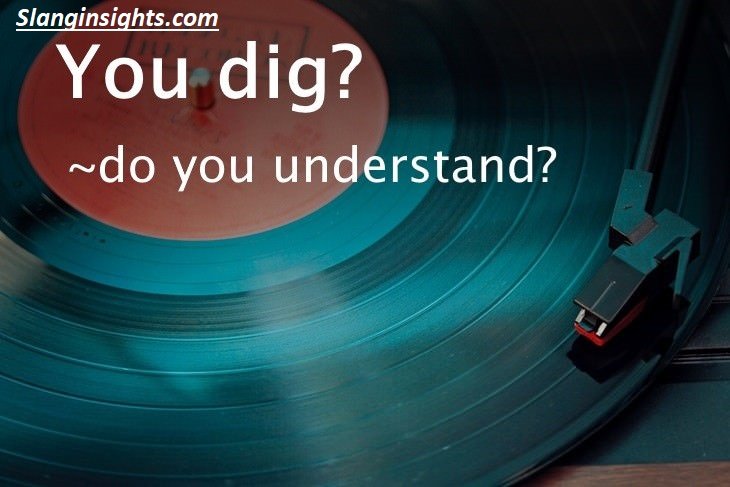
1. To understand something “You dig?” basically means “do you understand?” or “do you get what I’m saying?” I use this now with my friends sometimes just for fun, and honestly it lands better than “you feel me” in certain contexts. It sounds less try-hard.
2. To like or appreciate something “I dig that song” = “I really like that song.” This is probably the most common way people still half-remember the word today. You’ll hear it in movies, in older interviews, sometimes even in modern songs referencing retro vibes.
3. To pay close attention or really get into something This one’s a bit deeper. If someone said “dig this,” they weren’t just asking you to listen — they wanted you to really absorb what was coming next. It carried more weight than just “listen up.”
The word actually has roots going back to jazz culture in the 1930s and 40s, and by the time the 60s counterculture movement picked it up, it had become shorthand for the whole “are we on the same wavelength” vibe of the era.

I Tried Using It For a Week — Here’s What Happened
Okay, this is where it gets fun. After going down this research hole, I decided to actually test it out. I used “dig” in real conversations for about a week, just to see how people reacted.
Day 1: I told my coworker “I really dig your new haircut.” She laughed and asked if I’d been watching old sitcoms. Fair.
Day 3: I said “you dig?” after explaining a spreadsheet formula to my roommate. He genuinely paused and asked “wait, is that a real thing people said?” I had to explain the whole backstory.
Day 5: I dropped it into a text message with a friend who’s into vintage fashion and vinyl records. She responded immediately with “dig it” — no explanation needed. Turns out there’s a whole subculture of younger people who are already reviving this kind of language, especially in music and thrifting communities.
Day 7: My grandfather, when I told him I’d been saying “dig” all week, just laughed and said “well now you’re finally speaking my language.” That alone made the whole experiment worth it.
Lesson learned: context matters a lot. Say it to the wrong crowd and you sound like you’re doing a bit. Say it to the right crowd — especially anyone into retro culture, jazz, classic rock, or vintage anything — and it actually lands naturally.
Other 1960s Slang Words That Deserve a Comeback (Or at Least a Mention)
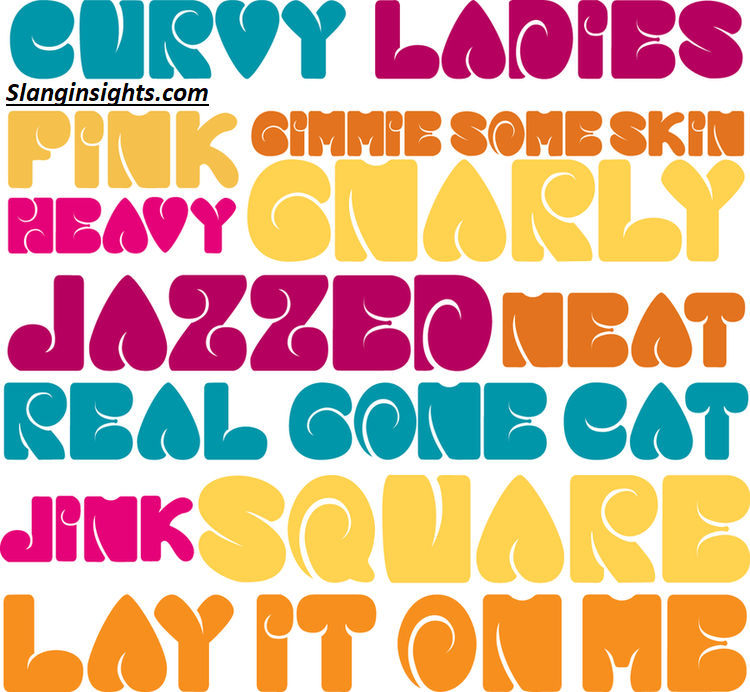
While I was researching “dig,” I kept bumping into other words from the same era that either survived, mutated, or completely vanished. A few worth knowing if you’re going down this same path:
- Groovy — meant cool, excellent, stylish. Still recognizable today mostly through jokes or ironic use.
- Far out — expressing amazement or that something was impressive/unusual. This one’s had a bit of a resurgence in meme culture.
- Cat / chick — casual terms for a man or woman, especially in jazz and beatnik circles.
- Bread / scratch — slang for money. Interestingly, “bread” as money slang has actually stuck around longer than a lot of people realize.
- Threads — clothes. Still used occasionally today, mostly in streetwear communities ironically.
- Split — to leave somewhere. (“Let’s split.”) This one mostly died out, but it pops up in old movies constantly.
- Fuzz — slang for police. Rarely used seriously now, but shows up in retro-themed content a lot.
If you’re writing anything set in the 60s, making a video, doing a school project, or just nerding out on language history like I was, these are good ones to know because they show up constantly in interviews, songs, and old footage from that decade.
Where to Actually Learn More (Without Falling Into a Sketchy Rabbit Hole)
If you want to go deeper than I did, here’s what actually helped me:
- Old interview footage on YouTube. Search things like “1960s street interviews” — there’s a surprising amount of raw, unscripted footage where people just talk naturally, slang and all.
- Jazz documentaries. A lot of this slang traces back to jazz musicians in the 40s and 50s before it spread into mainstream 60s culture. Ken Burns’ “Jazz” documentary touches on this if you want the historical thread.
- Old magazines and zines. Sites like the Internet Archive have scanned copies of old publications where you can see slang used in actual context, not just listed out like a dictionary.
- Just ask an older relative. Genuinely, this was the best resource I had. My grandfather gave me way more context and nuance than any article could. If you have access to someone from that generation, use it while you can — this stuff isn’t written down as much as you’d think.
Common Mistakes People Make With This Kind of Slang
A few things I noticed myself doing wrong, and saw other people doing too:
- Overusing it. Dropping “dig” into every other sentence makes it sound like a bit instead of natural speech. The original usage was pretty sparing.
- Using it in the wrong tense. “I digged that movie” is not a thing — it’s always “dig” or “dug,” like “I really dug that concert last night.”
- Treating all 60s slang as interchangeable. Beatnik slang, surfer slang, and hippie slang from the same decade were actually pretty different scenes with their own vocabulary. Not everything fits everywhere.
- Assuming it’s dead when it’s not. As I found out, plenty of these words are alive and well in specific communities — you just have to know where to look.

FAQ’s
What does “dig” mean in 1960s slang?
“Dig” meant to understand, enjoy, or appreciate something, as in “I dig this music” or “Can you dig it?” It expressed genuine approval or connection.
Where did the slang term “dig” originate?
“Dig” originated in jazz culture and was popularized by the Beat Generation before becoming widely used throughout mainstream 1960s counterculture.
Is “dig” still used today?
Yes, though less common, “dig” is still occasionally used today to mean liking or understanding something, often with a retro or nostalgic tone.
What other slang words were popular alongside “dig” in the 1960s?
Words like “groovy,” “far out,” “cat,” “pad,” and “threads” were commonly used alongside “dig” during the 1960s.
Was 1960s slang influenced by a specific subculture?
Yes, much of 1960s slang was heavily influenced by jazz musicians, beatniks, and later the hippie counterculture movement, which embraced expressive and rebellious language.
Conclusion
Dig 1960s slang captures the spirit of a decade defined by cultural revolution, music, and free expression.
The word “dig” itself became a symbol of genuine connection and understanding, used by everyone from jazz musicians to hippies as a way to show appreciation for music, ideas, and each other.
Alongside terms like “groovy,” “far out,” and “cat,” “dig” helped shape a distinct vocabulary that reflected the countercultural values of the time — individuality, openness, and rejection of the mainstream “square” mentality.
Even decades later, dig 1960s slang continues to influence modern pop culture, appearing in movies, music, and casual conversation as a nostalgic nod to the era.
Its lasting popularity shows how powerful language can be in capturing the mood of a generation.
Whether you’re researching retro slang for fun, writing a period piece, or simply curious about how people spoke in the 1960s, exploring terms like “dig” offers a fascinating window into a time when words carried both meaning and movement — proving that some slang truly stands never really goes out of style.