Funny Navy Slang Decoded The Weirdest, Funniest Terms Sailors Actually Use

Funny navy slang is packed with colorful terms that sailors use every day, often leaving civilians completely puzzled.
From calling the bathroom a “head” to referring to food as “chow,” navy life has its own hilarious vocabulary built over generations at sea.
Terms like “scuttlebutt” (gossip), “boot” (a new recruit), and “geedunk” (snacks or a ship’s snack bar) show just how creative and funny the navy’s culture really is.
This slang isn’t just for laughs — it reflects tradition, camaraderie, and the tight-knit bond between sailors.
Whether you’re a veteran, a military family member, or just curious, exploring funny navy slang offers a fun peek into naval life.
Table of Contents
Quick Table
| Navy Slang | Meaning |
|---|---|
| Head | Bathroom |
| Chow | Food |
| Scuttlebutt | Gossip / rumor |
| Boot | New recruit |
| Geedunk | Snacks / snack bar |
| Rack | Bed |
| Ditty Bop | Someone who walks with an exaggerated swagger |
| Squared Away | Organized, in order |
| Hit the Rack | Go to sleep |
| Salty | Experienced, seasoned sailor |
| Boondoggle | A trip or task with little real purpose |
| Gundecking | Faking or falsifying a report |
| Zero Dark Thirty | Very early in the morning |
| Field Day | Deep cleaning day on the ship |
| Non-Rate | A sailor without an assigned specialty yet |
How I Accidentally Learned Navy Slang
The first time my brother-in-law called me a “boot” at Thanksgiving dinner, I genuinely thought he was insulting my shoes.
He wasn’t. He was calling me a newbie. Turns out that’s just Tuesday when you’re around Navy people.
I’m not prior military myself, but I’ve spent the last several years around sailors — my brother-in-law did two deployments, my neighbor is a retired Chief, and I’ve sat through more Navy family cookouts than I can count.
Somewhere between the burnt hot dogs and the sea stories, I started keeping a running list of the weirdest, funniest slang I kept hearing. Half of it sounds made up. It isn’t.
If you’re dating someone in the Navy, married into a Navy family, or you just got a new coworker who keeps saying words that sound like a foreign language, this one’s for you.
I’m going to walk you through the terms that actually get used in real life, what they mean, and the dumb mistakes I made trying to use them myself.
Why Navy Slang Sounds So Ridiculous
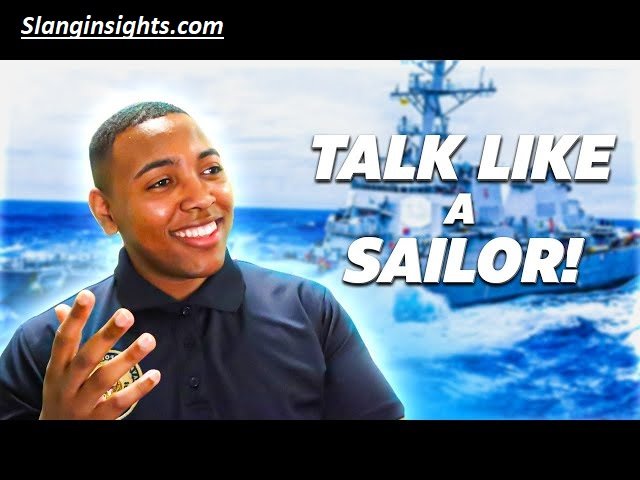
Here’s the thing nobody tells you: sailors aren’t trying to sound cool with this stuff. Half the slang exists because ships are cramped, boring, and full of people who’ve been awake for 20 hours straight. When you’re stuck on a boat for six months, you start making up words for everything just to survive the monotony.
So the slang isn’t polished. It’s practical, sarcastic, and occasionally gross. That’s exactly why it’s funny.
The Terms That Actually Confused Me at First
“Boot”
Not a shoe. A newly enlisted sailor, fresh out of training. Comes from “boot camp.” My brother-in-law used this on me for a solid year before I realized it wasn’t an inside joke specifically about me being clueless — it’s just what everyone calls the new guy.
My mistake: I called him a “boot” back once, thinking it was a fair trade. He informed me, very seriously, that you can’t be a boot if you were never in boot camp. Apparently civilians don’t get to use military slang as a comeback. Noted.

“Geedunk”
This one still makes me laugh. It means junk food, candy, snacks — basically anything from the ship’s little snack store. Nobody I asked could tell me exactly where the word came from, but every single sailor knows it instantly.
If someone tells you they’re “hitting the geedunk,” they’re going for chips and a soda, not doing anything dramatic.
“Scuttlebutt”
This is either a water fountain on a ship, OR gossip, depending on context. Sailors used to gather around the actual water barrel (the “scuttlebutt”) to chat, so the word just became slang for rumors. Now if you hear “what’s the scuttlebutt,” someone’s asking for the office gossip, not directions to a drinking fountain.
“Chit”
A form, a request slip, a piece of paper you need signed. “I gotta go put in a chit” doesn’t mean anything weird — it just means paperwork. First time I heard this I thought it was a censored curse word. It is not.
“Gouge”
Insider info. The real scoop on how something actually works, usually passed sailor-to-sailor instead of through official channels. If you want to know the fastest way through a process, you ask around for the gouge.
“Field Day”
Sounds fun. Is not fun. This is cleaning day on the ship — scrubbing every inch of the space top to bottom. My neighbor still winces when he hears the phrase “field day” used innocently by civilians talking about school events.
“Hit the Rack”
Going to bed. A “rack” is Navy-speak for a bunk. Simple enough, but I made the mistake of asking my brother-in-law if he wanted to “hit the sack” once and got corrected immediately. Apparently there’s a difference, and Navy people care about it.
“Non-Qual”
Someone who hasn’t earned their qualifications yet for their role or watch station. It’s used as a light insult, kind of like calling someone a rookie who hasn’t proven themselves.
“Ate Up”
This one threw me for a loop. It doesn’t mean someone literally ate something. It means someone is overly enthusiastic about rules, regulations, or looking sharp — sometimes in a try-hard way. “That guy is so ate up” is not a compliment, but it’s not always a full insult either. It’s complicated.
“Charlie Foxtrot”
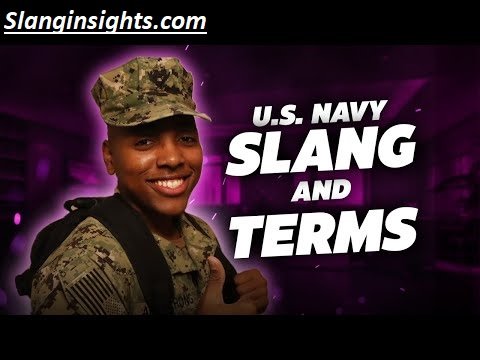
Military phonetic alphabet for “C.F.” Use your imagination for what that stands for. It basically means a total mess, a disaster, a situation that went sideways fast. You’ll hear this one in civilian workplaces too if you’ve got a veteran on staff.
“Haze Gray and Underway”
This is the phrase for when the ship is out at sea, doing its thing, everything running normal. It sounds almost poetic compared to the rest of this list.
“Shellback” vs. “Pollywog”
If a sailor has crossed the equator by ship, they’re a “shellback.” If they haven’t, they’re a “pollywog.” There’s an entire ridiculous initiation ceremony tied to this tradition called the “Line-Crossing Ceremony.” I still don’t have all the details because apparently what happens during the ceremony stays vague on purpose. My brother-in-law just smiles when I ask.
“Smoking Lamp”
An old-school term for whether or not smoking is currently allowed on the ship. “The smoking lamp is lit” means go ahead. It’s one of those phrases that stuck around long after the actual literal lamp disappeared.
How I Learned to Actually Use This Stuff Without Embarrassing Myself
If you’re trying to blend in around Navy folks — maybe you’re new to a military family, or you work with a lot of veterans — here’s the approach that actually worked for me.
Step 1: Listen before you use anything. I jumped in too early with “boot” and got corrected. Just absorb the vocabulary for a while before trying it out yourself.
Step 2: Ask what something means instead of guessing. Every single sailor I’ve met loves explaining this stuff. Nobody gets annoyed by the question. They get annoyed if you pretend you already know and use it wrong.
Step 3: Don’t use rank-based slang unless you understand the hierarchy. Some terms are fine for anyone to use. Others (like calling someone specific things related to rank) can come off as disrespectful if you don’t actually understand how the structure works. When in doubt, skip it.
Step 4: Save the initiation-related stuff (like shellback traditions) for actual sailors to explain. There’s a lot of tradition and history wrapped up in things like the equator-crossing ceremony, and it’s not really civilian territory to joke about casually.
Step 5: Laugh with them, not at them. The slang is genuinely funny. Sailors know it’s funny. The mistake is treating it like it’s dumb rather than treating it like an inside joke you’re lucky enough to be let in on.
The Mistake I See People Make Most Often
The biggest one is treating Navy slang like a costume — throwing terms into conversation just to sound like you know something, without any context. It reads as try-hard fast, and ironically, that’s basically the definition of “ate up.”
The slang works because it comes from shared experience — boring watches, bad food, long deployments, inside jokes born out of necessity. If you didn’t live that, it’s fine to enjoy the words. Just hold them loosely.
FAQ’s
What is the most common navy slang term?
“Head” (bathroom) and “chow” (food) are among the most widely used and recognized navy slang terms, even outside military circles.
Why do sailors use so much slang?
Navy slang builds camaraderie, saves time during fast-paced operations, and has been passed down through generations as part of naval tradition and culture.
Is navy slang the same across all branches of the military?
No. While some terms overlap, each branch (Navy, Army, Air Force, Marines) has its own unique slang shaped by different traditions and environments.
What does “boot” mean in the navy?
“Boot” refers to a new recruit or someone fresh out of training, similar to a rookie in civilian terms.
Can civilians use navy slang casually?
Yes, many terms like “scuttlebutt” or “squared away” have crossed into everyday language, though sailors may find it funny when civilians use them out of context.
Conclusion
Funny navy slang offers a fascinating window into the tight-knit world of naval life, blending humor, tradition, and practicality into everyday language.
From calling the bathroom a “head” to describing gossip as “scuttlebutt,” these terms have been shaped by decades of shipboard culture and camaraderie among sailors.
What makes navy slang so entertaining is how creative and unexpected it can be — words that sound completely random to outsiders often carry deep meaning and history within the fleet.
Whether it’s “geedunk” for snacks or “zero dark thirty” for an ungodly early hour, this vocabulary reflects the humor sailors use to cope with demanding schedules and close quarters.
Beyond the laughs, navy slang also strengthens bonds between service members, creating a shared identity that lasts long after their time in uniform ends.
For military families, veterans, or curious readers, learning these terms is a fun way to connect with naval culture.
So next time someone mentions hitting the rack or getting “squared away,” you’ll know exactly what they mean — and maybe even impress a sailor with your newfound knowledge of funny navy slang.