Spanish Slang – Learn Real Everyday Terms 2026
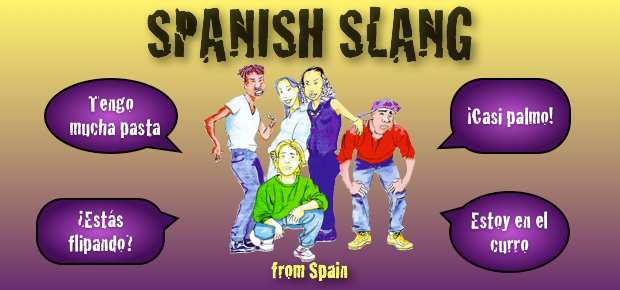
Spanish slang is the secret ingredient that transforms textbook Spanish into authentic, vibrant conversations that connect you with native speakers worldwide.
Whether you’re traveling through Mexico City’s bustling streets, sipping café con leche in Madrid, or dancing salsa in Buenos Aires, understanding colloquial Spanish expressions opens doors to genuine cultural experiences and deeper relationships.
Learning slang isn’t just about memorizing words—it’s about grasping the humor, emotion, and cultural nuances that make Spanish such a rich and diverse language across 20+ countries.
Table of Contents
Why Learning Spanish Slang Matters
Spanish slang transforms your language abilities from functional to authentic. When you understand colloquial expressions, you’re not just translating words—you’re connecting with culture.
Native speakers use slang constantly in everyday conversations. Without this knowledge, you’ll miss jokes, cultural references, and the true meaning behind casual interactions.
Slang makes you sound natural and relatable. It signals to native speakers that you understand their culture beyond textbooks and formal education.
Understanding Spanish Slang Across Regions
Spanish is spoken in over 20 countries with 500 million native speakers. Each region has developed unique slang words and expressions that reflect local culture.
The Spanish you hear in Spain differs dramatically from Mexican Spanish, Argentine Spanish, or Puerto Rican Spanish. Understanding these regional differences prevents confusion and embarrassment.
What’s perfectly normal in one country might be meaningless or even offensive elsewhere. Regional awareness is crucial for effective communication.
Universal Spanish Slang Words
¿Qué Pasa?
This universal greeting means “What’s up?” or “What’s happening?” It’s used across all Spanish-speaking countries for casual greetings.
You’ll hear variations like “¿Qué pasó?” in Mexico or “¿Qué hubo?” in Chile. All serve the same friendly, informal purpose.
Perfect for breaking the ice with Spanish speakers anywhere. It’s casual but not disrespectful, making it ideal for most situations.
Amigo/Amiga
While technically meaning “friend,” this word extends beyond formal definitions. It’s used casually to address acquaintances and even strangers.
In Spain, you’ll hear “tío” or “tía” serving the same purpose. Latin American countries have regional variations like “compa” or “pana.”
Using amigo shows friendliness without being overly familiar. It’s a safe choice when you’re unsure about regional preferences.
Chido/Padre
These Mexican terms mean “cool” or “awesome.” They’re among the most common slang expressions for expressing approval or admiration.
“Qué padre” literally translates as “how father” but means “how cool!” Regional variations include “guay” in Spain and “bacano” in Colombia.
These words add enthusiasm to your speech. They’re perfect for complimenting people, places, or experiences you genuinely enjoy.
No Mames
This Mexican expression ranges from “no way!” to “you’re kidding!” depending on context. It’s extremely common but slightly vulgar.
The tamer version “no manches” expresses identical sentiments without the crude connotation. Use this around elders or in professional settings.
Understanding when to use which version demonstrates cultural sensitivity. Both are essential for understanding modern Mexican Spanish.
Spanish Slang in Spain
Tío/Tía
In Spain, these words meaning “uncle” and “aunt” become “dude” or “bro” in slang. They’re used constantly in casual conversation.
“¿Qué pasa, tío?” is as common as “What’s up, dude?” in English. It’s friendly, casual, and acceptable in most informal situations.
This term is distinctly Spanish. Using it in Latin America might confuse people who interpret it literally.
Vale
This quintessential Spanish word means “okay” or “alright.” It’s used to agree, confirm understanding, or acknowledge information.
You’ll hear “vale” dozens of times daily in Spain. It’s the default response for agreement across all social situations.
Interestingly, “vale” is rarely used in Latin America. Most Spanish-speaking countries prefer “okay” or “está bien” instead.
Guay
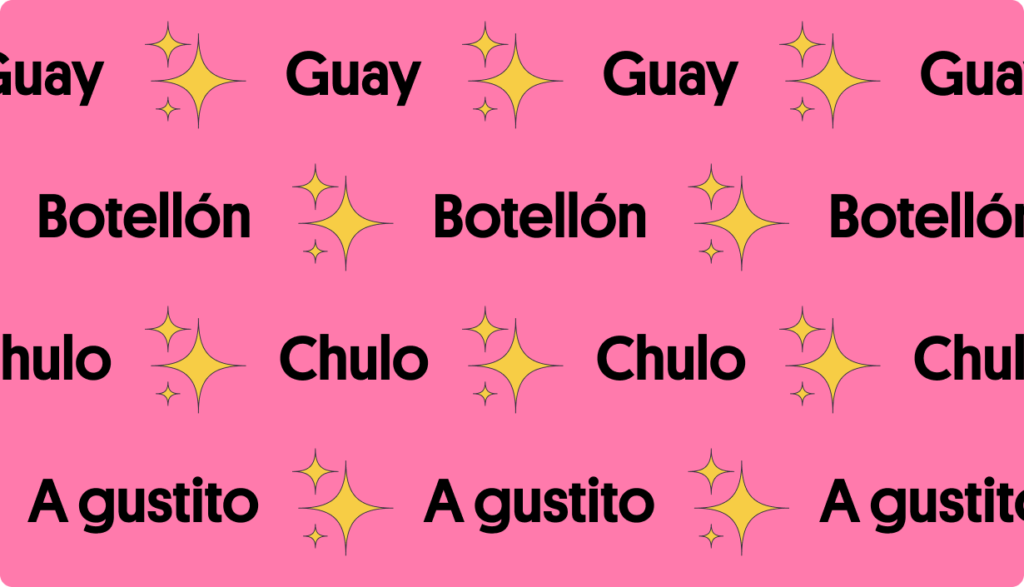
One of Spain’s most popular ways to say “cool.” It emerged during the 1980s countercultural movement and stuck.
“Esa película es muy guay” means “That movie is really cool.” It’s upbeat, positive, and widely understood across Spain.
Don’t use “guay” in Mexico—locals might give you strange looks. Regional preferences matter when using slang effectively.
Flipar
This verb means “to flip out” or “to be amazed.” It derives from English and reflects Spain’s linguistic creativity.
“Estoy flipando” expresses shock or amazement at something incredible. The reflexive form “fliparse” can also mean “to get high.”
Context determines meaning. Tone, facial expressions, and situation help native speakers distinguish between different interpretations.
Majo/Maja
These adjectives describe someone nice, pleasant, or attractive. Historically, they referred to dandies in Madrid society.
“Es un chico muy majo” means “He’s a really nice guy.” It’s complimentary and commonly used in Spain.
The feminine form “maja” follows the same pattern. Both express genuine appreciation for someone’s personality or appearance.
La Leche
Literally “the milk,” this multifaceted expression has various meanings depending on context. It’s uniquely Spanish slang.
“Ser la leche” means either “to be the best” or sarcastically “to really be something.” Tone clarifies intent.
“Saber la leche” means knowing a lot. Spanish milk expressions are confusing but essential for understanding local speech.
Puente
Meaning “bridge” literally, this word describes long weekends when holidays connect with weekends. It’s practical Spanish slang.
When asking “¿Qué haces en el puente?” you’re asking about long weekend plans. Four-day weekends become “un acueducto” (an aqueduct).
This term reflects Spain’s holiday culture. Understanding it helps you plan travels and understand local scheduling.
Currar
This verb means “to work.” “Mi curro” is your job, and “un currante” is a hardworking person.
“Tengo que currar hasta tarde” means “I have to work late.” It’s informal but widely understood.
More casual than “trabajar,” it fits everyday conversation perfectly. Use it among friends and colleagues in informal settings.
Cutre
This adjective describes something shabby, cheap, or seedy. As a noun, it means cheapskate.
“Este bar es muy cutre” means “This bar is really seedy.” It’s critical but not extremely offensive.
Applied to people, it suggests stinginess. Context determines whether it’s joking or genuinely critical.
Chaval/Chavala
Technically meaning “kid,” Spaniards use this for teenagers and young adults. It’s casual and friendly.
“Ese chaval es el hijo de Sonia” translates to “That kid is Sonia’s son.” Age ranges vary by context.
The feminine form “chavala” follows identical patterns. Both are standard in Spanish youth vocabulary.
Mexican Spanish Slang
Güey/Wey
Perhaps Mexico’s most ubiquitous slang word, meaning “dude” or “mate.” Originally it meant “stupid” but evolved into endearment.
“¿Qué pedo, wey?” is casual greeting among friends. It’s spelled both ways but pronounced like “way.”
Using this correctly signals familiarity with Mexican culture. Overuse sounds try-hard, so balance is essential.
Chamba
This word means “work” or “job.” It originated in the 1940s among Mexican immigrants in the United States.
“Tengo mucha chamba” means “I have lots of work.” It’s more casual than “trabajo” but equally common.
The story goes that workers asking for jobs at the Chamber of Commerce mispronounced it as “chamba.”
¿Qué Onda?
A super casual way to ask “What’s up?” or “What’s happening?” It’s extremely common among Mexican youth.
Literally translating to “what wave?” it makes no literal sense but perfect colloquial sense. Context is everything.
Variations include “¿Qué tranza?” or the vulgar “¿Qué pedo?” Use appropriately based on your audience.
A Huevo
This enthusiastic expression means “hell yeah!” or “of course!” It’s positive and emphatic.
Despite containing “huevo” (egg), it has nothing to do with breakfast. Slang often defies literal translation.
“¿Vamos a la fiesta?” “¡A huevo!” expresses enthusiastic agreement. It’s casual but not offensive.
Carnal
Meaning “brother” but used for close friends who feel like family. It comes from “carne” (meat/flesh).
“Jazz es mi carnal” means “Jazz is like my brother.” It indicates deep friendship and trust.
Similar terms include “compa” (companion) and “cuate” (friend). Each carries slightly different intimacy levels.
Chela/Cheve
Both are slang terms for beer. They’re interchangeable and extremely common in Mexican drinking culture.
“Vamos por unas chelas” means “Let’s go get some beers.” It’s casual and friendly.
Related terms include “caguama” (a 1.2-liter beer bottle) and “six” (a six-pack). Mexican beer vocabulary is extensive.
Crudo
This means “hungover.” Literally “raw,” it describes the morning-after feeling perfectly.
“Estoy bien crudo” means “I’m really hungover.” Other countries use “resaca” or “tengo ratón.”
Understanding drinking-related slang is practical for social situations. It’s culturally relevant across Spanish-speaking countries.
Aguas
Meaning “watch out!” or “be careful!” this warning originated in colonial times.
People threw water buckets from windows while yelling “¡aguas!” to warn pedestrians below. The term stuck.
“La comida está picosa, ¡aguas!” warns about spicy food. It’s practical and commonly used.
Neta
This word means “truth” or “really?” It’s used for emphasis or asking for confirmation.
“¿Neta?” asks “Really?” or “Seriously?” while “la neta” means “the truth” or “honestly.”
“La neta, no me gustó” translates to “Honestly, I didn’t like it.” It adds authenticity to statements.
Chido
Another Mexican way to say “cool” or “awesome.” It’s widely used and perfectly casual.
“Qué chido estuvo la película” means “The movie was so cool!” It expresses genuine enthusiasm.
Avoid using “guay” (Spain’s version) in Mexico. Regional preferences prevent confusion and maintain authenticity.
Argentine Spanish Slang
Boludo
In Argentina, this versatile term means “dude” or “buddy” among friends but “stupid” in other contexts.
“¿Qué hacés, boludo?” is friendly greeting. However, calling a stranger “boludo” risks offense.
Understanding context is crucial. Argentines use it constantly among friends but recognize its dual nature.
Che
Argentina’s most iconic slang word, made famous by Che Guevara. It means “hey” or “dude.”
“Che, ¿me pasás la sal?” asks someone to pass the salt casually. It’s friendly and distinctly Argentine.
Other countries recognize it as Argentine slang. Using it elsewhere signals Argentine cultural awareness.
Quilombo
This word describes a mess, scandal, or chaotic situation. It’s common throughout Argentina and Uruguay.
“Esto es un quilombo” means “This is a mess.” It expresses frustration with disorganized situations.
The word has historical origins but modern usage focuses on chaos and disorder.
Laburo
Argentine slang for “work” or “job.” Each Spanish-speaking country has unique work-related vocabulary.
“Tengo mucho laburo” means “I have lots of work.” Compare this to Mexico’s “chamba” or Spain’s “curro.”
These regional differences make Spanish endlessly fascinating. Learning them enhances cultural understanding significantly.
Pibe/Piba
These terms mean “kid” or “boy/girl.” They’re used for children, teenagers, and even young adults.
“Ese pibe juega muy bien al fútbol” means “That kid plays soccer really well.” It’s affectionate and casual.
The feminine form “piba” follows identical patterns. Both are quintessentially Argentine expressions.
Puerto Rican Spanish Slang
Boricua
A term of pride referring to Puerto Ricans. It derives from Borinquen, the indigenous Taíno island name.
Using “boricua” shows cultural awareness and respect. It’s deeply meaningful to Puerto Rican identity.
Whether on the island or in diaspora communities, “boricua” connects people to Puerto Rican heritage.
Janguiar
Meaning “to hang out,” this word comes from English “hang.” Code-switching is common in Puerto Rican Spanish.
“Vamos a janguiar” means “Let’s hang out.” English influence permeates Puerto Rican slang extensively.
Understanding this bilingual nature helps navigate Puerto Rican Spanish more effectively.
Chavos
This word means “money.” It’s also used in the Dominican Republic but rare elsewhere.
“No tengo chavos” means “I don’t have money.” Regional money slang varies dramatically across countries.
Each country has unique currency terms. Learning local versions prevents confusion during transactions.
¡Mano!
Short for “hermano” (brother), this greeting means “Hey bro!” among close friends.
“¡Mano, qué pasó!” is enthusiastic greeting. It signals closeness and familiarity between speakers.
Puerto Rican Spanish is distinctively expressive and warm. This term embodies that characteristic perfectly.
Al Garete
Originally describing a ship without direction, now it means “out of control” or “adrift.”
“Todo está al garete” means “Everything’s out of control.” It’s colorful and culturally specific.
Puerto Rican slang often has nautical or historical origins. These etymologies add depth to language learning.
Colombian Spanish Slang
Bacano/Chévere
Both mean “cool” or “awesome” in Colombian Spanish. They’re interchangeable and extremely common.
“Esa fiesta estuvo chévere” means “That party was awesome.” Regional “cool” variations are endless.
Colombia also uses “berraco” to describe something impressive or someone tough. Context determines specific meaning.
Pana
This word means “buddy” or “friend.” It’s common in Colombia, Venezuela, and other Caribbean countries.
“Mi pana y yo vamos al cine” means “My buddy and I are going to the movies.”
Each country’s friendship terms reveal cultural values. Colombians value casual, warm social connections.
Parce/Parcero
Another Colombian term for friend or buddy. It’s distinctively Colombian and widely used.
“¿Qué más, parce?” is common greeting among friends. It shows regional linguistic creativity.
Understanding multiple friendship terms helps navigate social situations. Each carries slightly different connotations.
Chilean Spanish Slang
Fome
This adjective means “boring” or “lame.” It’s quintessentially Chilean slang.
“Esa película estuvo fome” means “That movie was boring.” Chileans use this constantly.
Chilean Spanish is famously difficult to understand. Their slang adds another complexity layer.
Al Tiro
Meaning “right away” or “immediately,” this expression is practical and common.
“Hazlo al tiro” means “Do it right away.” It conveys urgency without being rude.
Chilean slang often confuses other Spanish speakers. Their unique expressions require dedicated study.
Cachai
From English “to catch,” this means “you know?” or “do you understand?”
“¿Cachai?” punctuates sentences for confirmation. It’s conversational filler and comprehension check simultaneously.
English influence appears in slang across Spanish-speaking countries. Chilean Spanish particularly shows this influence.
Venezuelan Spanish Slang
Chamo/Chama
These terms mean “kid,” “dude,” or “guy/girl.” They’re distinctively Venezuelan.
“Ese chamo es muy simpático” means “That guy is really nice.” Age relevance varies by context.
Venezuela’s political and economic situation has spread these terms through diaspora communities worldwide.
Marico
In Venezuela, this word means “dude” or “man” among friends despite having homophobic origins elsewhere.
Context determines offensiveness. Among Venezuelan friends, it’s casual. In other countries, it’s insulting.
This demonstrates how slang meanings vary drastically by region. Cultural sensitivity requires understanding these nuances.
Pana
Venezuela also uses “pana” for friend, sharing this with Colombia. Caribbean slang overlaps significantly.
Regional proximity influences slang development. Neighboring countries often share expressions while maintaining unique terms.
Venezuelan slang is warm and expressive. Understanding it helps navigate Venezuelan culture and communities.
Spanish Slang for Money
Plata
Throughout Latin America, “plata” (literally “silver”) means money. It’s more common than “dinero” in casual speech.
“No tengo plata” means “I don’t have money.” This usage spans multiple countries.
Spain uses “pasta” instead. Regional money terms reflect historical currency and cultural values.
Luca
In several countries, “luca” represents 1,000 local currency units. “Luca verde” specifies 1,000 US dollars.
Understanding currency slang prevents confusion during transactions. Each country has unique monetary vocabulary.
These terms evolved from local currencies and historical contexts. They’re practical for everyday financial conversations.
Pela/Pelas
Used in Spain, this comes from “pelar” (to peel). Usually plural, referring to money.
“No tengo pelas” means “I don’t have cash.” It’s informal but widely understood.
Money slang varies more than almost any other category. Each country’s economic history influences their terms.
Spanish Texting Slang
TQM
Abbreviation for “te quiero mucho” (I love you very much). It’s affectionate and common.
Like English LOL or TTYL, Spanish texting has unique abbreviations. Understanding them helps navigate digital communication.
Texting slang evolves rapidly. Staying current requires engaging with native speakers through social media.
XFA/PFA
Both abbreviate “por favor” (please). “X” replaces “por” following Spanish texting conventions.
Digital communication in Spanish follows patterns similar to English. Vowel and letter replacements save time.
Understanding abbreviations prevents misunderstandings in casual digital conversations with Spanish speakers.
TMB
Abbreviation for “también” (also/too). Consonant-based abbreviations mirror word sounds.
“Yo tmb” means “Me too.” These shortcuts appear constantly in informal Spanish texting.
Generational differences affect usage. Younger speakers use abbreviations more extensively than older generations.
Spanish Slang for Relationships
Mi Amor
Literally “my love,” this endearment is used for romantic partners. It’s warm and common.
Latin American culture is generally more expressive with affection. Terms of endearment appear in casual relationships.
“Mi vida,” “mi cielo,” and “cariño” are equally common. Each carries slightly different intimacy levels.
Novio/Novia
While technically meaning boyfriend/girlfriend, slang variations exist across regions for romantic partners.
Understanding these terms helps navigate dating culture. Each country has unique relationship vocabulary.
Latin American dating culture differs from Anglo culture. Language reflects these cultural relationship norms.
Ligue
This word describes a casual romantic encounter or flirtation. It’s common across Spanish-speaking countries.
“Tuve un ligue anoche” means “I had a hookup last night.” It’s casual but not crude.
Dating and relationship slang is culturally significant. It reveals social norms and generational differences.
When to Use Spanish Slang
Informal Conversations
Slang belongs in casual settings with friends, family, and peers. It creates warmth and authenticity.
Never use slang in formal settings like job interviews, academic papers, or business presentations. Professional contexts require standard Spanish.
Reading the room is essential. Match your language level to your audience and situation.
Understanding Context
Age, relationship, and setting determine appropriate slang usage. What works with friends fails with authority figures.
Cultural differences affect appropriateness. Some slang acceptable in one country offends in another.
When uncertain, err toward formality. You can always become more casual as relationships develop.
Regional Awareness
Using Spanish slang requires knowing where you are. Mexican slang in Spain sounds odd.
Mixing regional slang creates confusion. Learn the local expressions for wherever you’re communicating.
Native speakers appreciate effort but recognize when foreigners overuse slang. Balance is crucial.
Common Mistakes to Avoid
Using Vulgar Slang Inappropriately
Some slang contains profanity or sexual references. Understanding severity prevents embarrassing situations.
“No mames” is crude despite being common. The tamer “no manches” works better in mixed company.
Research new slang before using it. What sounds cool might actually be offensive.
Mixing Regional Slang
Don’t combine Mexican, Spanish, and Argentine slang in one conversation. It sounds confused.
Each region has distinct linguistic identity. Respecting this shows cultural awareness and intelligence.
Stick with local expressions for authenticity. Learning multiple regional varieties takes time and immersion.
Overusing Slang
Speaking entirely in slang sounds unnatural and try-hard. Native speakers balance slang with standard Spanish.
Forcing slang into every sentence signals insecurity, not fluency. Use it naturally and sparingly.
Let slang emerge organically as your comfort grows. Don’t rush the process.
Ignoring Formality Levels
Not all situations accept slang. Professional, academic, and formal settings require standard Spanish.
Using slang with bosses, professors, or elders shows disrespect. Save it for appropriate contexts.
Understanding formality levels demonstrates cultural competence. It’s as important as vocabulary itself.
How to Learn Spanish Slang Effectively
Consume Spanish Media
Watch Spanish TV shows, movies, and YouTube videos. Listen to Spanish music and podcasts regularly.
Media exposes you to natural slang usage in context. You’ll hear pronunciation, tone, and appropriate situations.
Different genres teach different vocabulary. Comedy shows use more slang than news programs.
Practice with Native Speakers
Language exchange partners and Spanish-speaking friends provide invaluable practice. They correct mistakes and explain nuances.
Online communities, language exchange apps, and local meetups connect you with native speakers worldwide.
Don’t be afraid to ask about slang you hear. Most people enjoy explaining their language’s colorful expressions.
Study Regional Variations
Focus on one region initially to avoid confusion. Once comfortable, explore other regional slang.
Understanding regional differences prepares you for travel and diverse Spanish-speaking communities.
Each country’s slang reveals cultural values and history. Learning it deepens your cultural understanding.
Use Slang in Context
Don’t just memorize lists. Learn phrases and expressions in full sentences with context.
Understanding when and how to use slang matters more than knowing definitions. Context is everything.
Practice in appropriate situations. Start with friends before trying slang in wider contexts.
Keep a Slang Journal
Document new slang you encounter. Note the region, context, and example sentences.
Reviewing your journal reinforces learning. It becomes a personalized reference guide.
Track your progress over time. Celebrating growth motivates continued learning.
Spanish Slang in Popular Culture
Music and Reggaeton
Reggaeton has popularized countless slang terms across Spanish-speaking countries. Artists create vocabulary that spreads rapidly.
Puerto Rican artists especially influence global Spanish slang. Songs introduce expressions that transcend borders.
Listening to reggaeton exposes you to contemporary slang. It’s entertaining and educational simultaneously.
Social Media Influence
Instagram, TikTok, and Twitter spread slang faster than ever. Digital culture creates new expressions constantly.
Younger generations drive linguistic innovation through social media. Platforms accelerate slang evolution and adoption.
Following Spanish influencers keeps you current with trending expressions. Language learning has never been more accessible.
Movies and Television
Spanish cinema and streaming series showcase regional slang authentically. They provide context for appropriate usage.
Shows from different countries demonstrate linguistic diversity. Watching broadly expands your slang vocabulary.
Subtitles help you connect written and spoken slang. They’re valuable learning tools.
Regional Slang Pronunciation Tips
Mexican Spanish Sounds
Mexican Spanish tends to be clearer and slower than other varieties. Pronunciation is generally accessible.
The “s” is often softened or dropped in some regions. Regional accents vary from northern to southern Mexico.
Practice with Mexican media to develop authentic pronunciation. YouTube offers endless free resources.
Spanish from Spain
Castilian Spanish includes the “th” sound for “c” and “z.” This distinguishes it immediately from Latin American Spanish.
“Gracias” sounds like “grathias” in Spain. Regional accents within Spain also vary considerably.
Andalusian Spanish drops consonants frequently. Madrid Spanish sounds more formal and clear.
Argentine Spanish Characteristics
Argentine Spanish features distinctive “sh” and “zh” sounds for “ll” and “y.” This makes it immediately recognizable.
“Yo” sounds like “sho” or “zho.” This pronunciation comes from Italian immigration influence.
Argentine intonation rises and falls dramatically. The rhythm differs significantly from other Spanish varieties.
Building Your Spanish Slang Vocabulary
Start with Universal Terms
Learn slang used across multiple countries first. This maximizes your communication effectiveness.
Universal greetings, basic expressions, and common words provide foundation. Build regional specifics afterward.
Master frequently used terms before obscure expressions. Frequency matters more than quantity initially.
Focus on Your Target Region
If you’re learning Spanish for specific travel or work, prioritize that region’s slang.
Mexican Spanish dominates the United States. European Spanish matters for Spain specifically.
Targeted learning is more efficient than trying to learn everything simultaneously.
Learn Categories
Organize slang by category: greetings, food, money, relationships, reactions. Categories aid memory retention.
Similar expressions across countries become easier to compare when categorized. Patterns emerge naturally.
Category-based learning creates mental organization. Retrieval becomes faster and more intuitive.
Practice Daily
Consistency trumps intensity in language learning. Daily practice, even brief, builds competence.
Use flashcard apps, language exchange apps, or simple conversation practice. Make Spanish slang daily habit.
Small consistent efforts compound over time. Fluency develops gradually through regular exposure and practice.
Frequently Asked Questions
What is Spanish slang?
Spanish slang comprises informal words and expressions used in casual conversation by native speakers. It varies significantly across regions and evolves constantly with culture and trends.
How do I learn Spanish slang effectively?
Consume Spanish media, practice with native speakers, and study regional variations systematically. Use slang in appropriate contexts and keep a journal to track new expressions you learn.
Is Spanish slang different in every country?
Yes, Spanish slang varies dramatically by country and even by region within countries. What’s normal in Mexico might be meaningless or offensive in Spain or Argentina.
Can I use Spanish slang in formal situations?
No, slang should be strictly limited to casual conversations. Avoid using slang in professional settings, academic writing, job interviews, or with authority figures.
What’s the most common Spanish slang word?
“Güey” in Mexico and “tío” in Spain are among the most frequently used slang words. Universal terms like “¿qué pasa?” work across all regions.
How is Mexican Spanish slang different from Spain Spanish slang?
Mexican slang uses words like “güey,” “chamba,” and “chido,” while Spain uses “tío,” “vale,” and “guay.” Pronunciation, vocabulary, and cultural references differ significantly.
What are common Spanish slang words for cool?
“Chido” and “padre” (Mexico), “guay” (Spain), “bacano” or “chévere” (Colombia), “copado” (Argentina), and “chilero” (Guatemala) all mean cool or awesome.
Is it okay to mix slang from different Spanish-speaking countries?
Mixing regional slang creates confusion and sounds unnatural. Stick with local expressions for the region where you’re communicating for authentic, clear speech.
What Spanish slang should beginners learn first?
Start with universal greetings like “¿qué pasa?”, basic reactions like “no way” (“no mames”/”no manches”), and common expressions for “cool” in your target region.
How long does it take to master Spanish slang?
Mastering slang requires ongoing immersion and practice. Basic competence develops in months, but deep understanding requires years of exposure to different contexts and regions.
Conclusion
Spanish slang represents the vibrant, living heart of the language spoken by over 500 million people across diverse cultures and countries worldwide.
From Mexico’s energetic “güey” to Spain’s ubiquitous “vale,” from Argentina’s distinctive “boludo” to Puerto Rico’s proud “boricua,” each expression carries unique cultural significance and regional identity.
Learning these colloquial terms transforms your Spanish from textbook formal to authentically conversational, opening doors to genuine connections with native speakers and deeper cultural understanding.