Gen Z Slang for Awesome The Words You Need to Know in (2026)
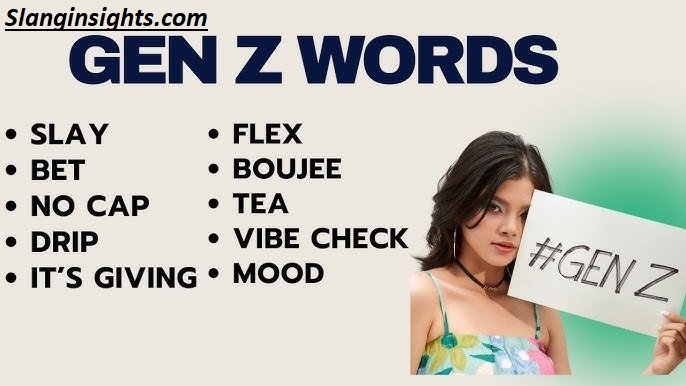
Gen Z Slang for Awesome comes in many forms, reflecting how quickly slang evolves online. Instead of saying “awesome”
Gen Z often uses words like “fire,” “bussin’,” “slaps,” or “hits different” to describe something great. “No cap” emphasizes sincerity, while “goated” refers to something being the best of its kind.
“Slay” is used to praise someone’s outstanding performance or style, and “iconic” highlights something memorable or impressive.
These terms spread rapidly through TikTok, Twitter, and Instagram, constantly shifting in popularity.
Understanding Gen Z slang for “awesome” helps bridge generational communication gaps and keeps conversations feeling current, relevant, and culturally in tune.
Table of Contents
Quick Table
| Term | Meaning |
|---|---|
| Fire | Something excellent or impressive |
| Bussin’ | Really good, especially food |
| Slaps | Something (usually music) that’s really good |
| Hits different | Uniquely or unexpectedly amazing |
| No cap | No lie, for real (used to emphasize sincerity) |
| Goated | The best ever (“Greatest Of All Time”) |
| Slay | To do something exceptionally well |
| Iconic | Memorable, impressive, or legendary |
| Based | Genuinely good or admirably authentic |
| Lit | Exciting or excellent |
| Valid | Acceptable, cool, or legitimate |
How I First Learned What “Bussin” Means
So my little cousin took one bite of the mac and cheese I made last Thanksgiving and just went, “yo this is bussin.”
I froze. Was that good? Bad? Did I mess up the recipe so badly it needed its own slang word? I actually pulled out my phone at the dinner table and typed “what does bussin mean” into Google while everyone else kept eating.
Turns out, it was a compliment. A really enthusiastic one. And that’s basically how I got introduced to one of the most-used Gen Z words for “awesome” — bussin.
If you’ve been in the same boat, nodding along in group chats or at family dinners pretending you know what a word means, this one’s for you. I’m going to break it down the way I wish someone had broken it down for me, based on actually using it wrong a few times before I got it right.
What Does “Bussin” Actually Mean?
At its core, bussin means something is really, really good. Amazing. Top tier. It started as a way to describe food specifically — like when a meal hits different — but it’s spread way beyond the kitchen table now.
You’ll hear things like:
- “This playlist is bussin”
- “Her outfit was bussin today”
- “That new coffee shop’s lattes are bussin”
Basically, anywhere you’d normally say “awesome,” “amazing,” or “fire,” you can drop in bussin and Gen Z will understand exactly what you mean.
Where It Actually Came From
I did some digging because I was curious (and honestly a little embarrassed I didn’t already know).
The word has roots in African American Vernacular English and got a massive boost from TikTok food videos around 2020-2021. People reviewing street food, home-cooked meals, and viral recipes kept using it, and it just stuck.
It’s one of those words that existed in pockets of internet culture for a while before suddenly everyone’s little cousin was saying it at the dinner table.
How I Learned to Actually Use It (Without Sounding Like a Dad Trying to Be Cool)
Here’s the embarrassing part. The first time I tried using “bussin” myself, I said it about a broken vending machine. Like, “man this vending machine is bussin” as a joke about it being messed up. My cousin just stared at me like I’d grown a second head.
Turns out bussin is strictly a positive word. You can’t use it sarcastically unless everyone in the conversation already knows you’re joking, and even then it lands weird. Lesson learned: don’t try to be clever with slang you just learned five minutes ago.
Here’s what actually works, based on trial and error:
Step 1: Use it for things you genuinely love. Food, music, an outfit, a vibe at a party — anything that gives you that “wow, this is really good” feeling.
Step 2: Keep the sentence casual. “This is bussin” or “that’s bussin fr” (fr = for real) sounds natural. Overdressing the sentence with formal words around it feels off, like wearing sneakers with a full suit.
Step 3: Don’t force it into every sentence. This was my biggest mistake early on. I got excited about a new word and used it constantly for like two weeks. My teenage cousin literally told me to chill. Slang works best used sparingly and naturally, not sprinkled into every text like seasoning you dumped in too fast.
Step 4: Pay attention to context before jumping in. If you’re not sure whether something qualifies as “bussin” level good, just watch how younger people around you use it for a bit before trying it yourself. It saves you from the awkward blank stares.
Real Examples From My Own Life
I started paying attention to how bussin actually gets used around me, and it clicked way faster once I had real examples instead of just a definition.
- My neighbor’s homemade birria tacos — genuinely bussin, no notes.
- A local burger spot that reopened after renovations — my nephew called the new burger “actually bussin,” which apparently was high praise since the old one was just “okay.”
- A friend’s new apartment playlist during a game night — “bro this playlist is bussin” got said about four times in one evening.
None of these were things I would’ve called “awesome” out loud a year ago, but bussin fits the vibe of casual, excited approval way better than the older words do.
Other Words That Mean the Same Thing (So You’re Not Just Learning One)
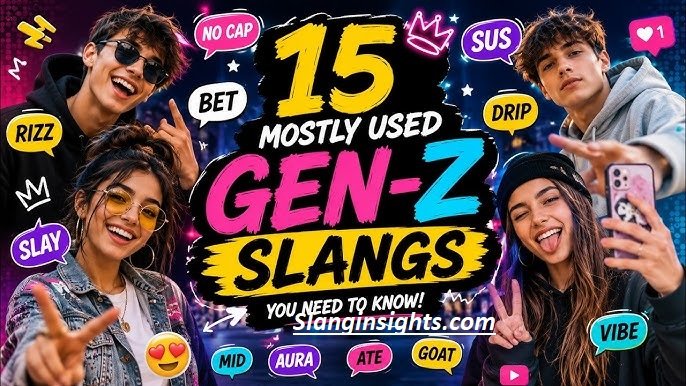
Since language moves fast, it helps to know bussin isn’t a solo act. A few others that basically mean “awesome” in Gen Z spaces:
- Fire — still holds up, means something is excellent.
- Slaps — usually for music. “This song slaps.”
- Hits different — means something feels uniquely good, often unexpectedly.
- No cap — not exactly “awesome” but pairs with it to mean “for real, I’m not exaggerating.”
Knowing a small cluster of these instead of just one word actually helps you sound more natural, because real conversations mix them depending on context.
Common Mistakes People Make With “Bussin”
I made most of these myself, so consider this a shortcut past the awkward phase:
- Using it sarcastically without context. It just confuses people, like my vending machine incident.
- Overusing it in every single sentence. It loses its punch fast, and honestly it starts sounding forced.
- Using it in professional or formal settings. I once saw someone try to use it in a work Slack message about a project update. It did not land well.
- Assuming it only applies to food. It started there, but it’s expanded to basically anything impressive now.
- Correcting someone else’s usage when you’re still new to it yourself. Learn it, use it a bit, then relax about being the slang police.
Why This Stuff Actually Matters (Even If You’re Not a Teenager)
I’ll be honest, I didn’t expect to care this much about a slang word.
But understanding how younger generations talk actually helps in more places than you’d think — connecting with younger family members, understanding trends on social media, even just not feeling lost during a group hangout.
It’s not about trying to force yourself into being “cool.” It’s more about being able to follow a conversation without that awkward pause where you’re mentally translating what someone just said.
FAQ’s
What’s the most common Gen Z word for “awesome”?
“Fire” and “bussin'” are among the most widely used Gen Z terms for something awesome, though the popular word often depends on the context—especially with food, music, or style.
What does “no cap” mean in Gen Z slang?
“No cap” means “no lie” or “for real,” used to emphasize that someone is being sincere or that something is genuinely as good as described.
Is “slay” only used for appearance?
No, “slay” can be used to praise anything done exceptionally well, from a performance or outfit to acing a test or nailing a presentation.
What does “hits different” mean?
“Hits different” describes something that stands out in a unique or unexpectedly impressive way, often used for music, food, or experiences.
Does Gen Z still use the word “awesome”?
While “awesome” isn’t outdated, Gen Z tends to favor more expressive and trend-driven alternatives like “fire,” “slaps,” or “goated” in everyday conversation.
Conclusion
Gen Z slang for “awesome” showcases just how creative and fast-moving youth culture has become, largely fueled by social media platforms like TikTok, Instagram, and Twitter.
Words like “fire,” “bussin’,” “slaps,” and “goated” have replaced more traditional terms, offering more expressive and specific ways to describe excellence.
Each word often carries subtle context—”bussin'” for food, “slaps” for music, “slay” for performance—making Gen Z slang more nuanced than older generations’ vocabulary.
As trends shift quickly, staying updated on these terms helps parents, educators, and marketers connect more authentically with younger audiences.
Whether you’re trying to understand a conversation, create relevant content, or simply keep up with cultural trends, knowing these words for “awesome” offers valuable insight into how Gen Z communicates.
Language will keep evolving, but for now, these terms capture the spirit of what it means to be genuinely impressive in today’s digital-first culture.