20 Amazing Slang Words That’ll Instantly Level Up Your Vocabulary
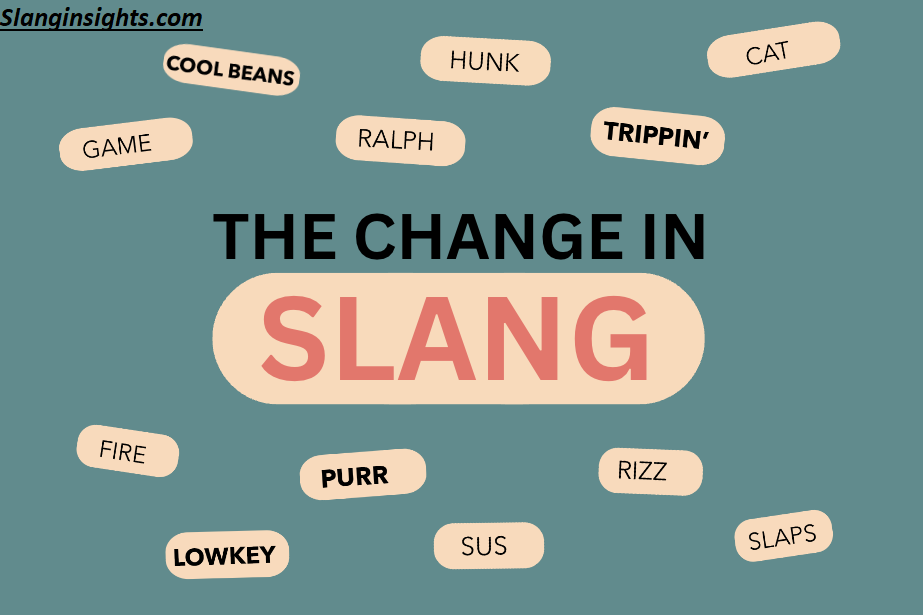
Amazing slang words pop up constantly, refreshing the way people talk and express themselves in everyday life.
From “iconic” and “slay” to “no cap” and “rizz,” these terms capture emotions, trends, and personalities in ways that plain language often can’t.
Amazing slang usually spreads fast through social media, music, and pop culture, turning into instant favorites among younger generations before sometimes fading or evolving into something new.
What makes it so fun is its creativity — slang often blends humor, exaggeration, and cultural references into just one or two words.
Whether you’re keeping up with trends or just want to sound current, amazing slang keeps language feeling alive and constantly evolving.
Table of Contents
Quick Table
| Amazing Slang | Meaning |
|---|---|
| Slay | To do something exceptionally well |
| Iconic | Unforgettable / legendary |
| No cap | No lie / for real |
| Rizz | Charisma, especially in flirting |
| Vibe check | Assessing someone’s mood or energy |
| Bussin’ | Really good (often about food) |
| Lowkey | Somewhat / secretly |
| Glow up | A major positive transformation |
| Main character energy | Confident, standout presence |
| Say less | Understood, no need to explain more |
| Hits different | Feels uniquely good or impactful |
| Living rent free | Constantly thinking about something |
How I Learned Modern Slang the Hard Way
I scrolled TikTok comments instead of just watching the videos. I asked my nephew and his friends to explain things instead of nodding along and pretending I understood. I made a lot of mistakes along the way (more on that in a second).
This isn’t a dictionary. This is what I actually learned from embarrassing myself repeatedly.
Why “Amazing” Slang Changes So Fast
Here’s the thing nobody tells you — slang for “this is great” used to last years, sometimes decades. “Cool” has survived since the 1930s jazz scene. “Awesome” is still hanging in there from the 80s.
But social media broke that pattern completely.
A word can go from unknown to overused to “only your mom says that” in about six months now.
That’s because platforms like TikTok, Twitter (X), and Instagram push trends to millions of people at once, and once something’s everywhere, it stops feeling exclusive or fun.
The moment a slang word shows up in a Buzzfeed headline or a brand’s Instagram caption, its expiration date basically starts ticking.
So if you’re trying to actually use these words in real conversation, timing matters more than the word itself.
The Words People Are Actually Using Right Now
I’m not going to pretend I have some magic list that’ll stay accurate forever, because it won’t. But here’s what I’ve genuinely heard used in real conversations, DMs, and comment sections recently — not just stuff I saw once in a listicle.
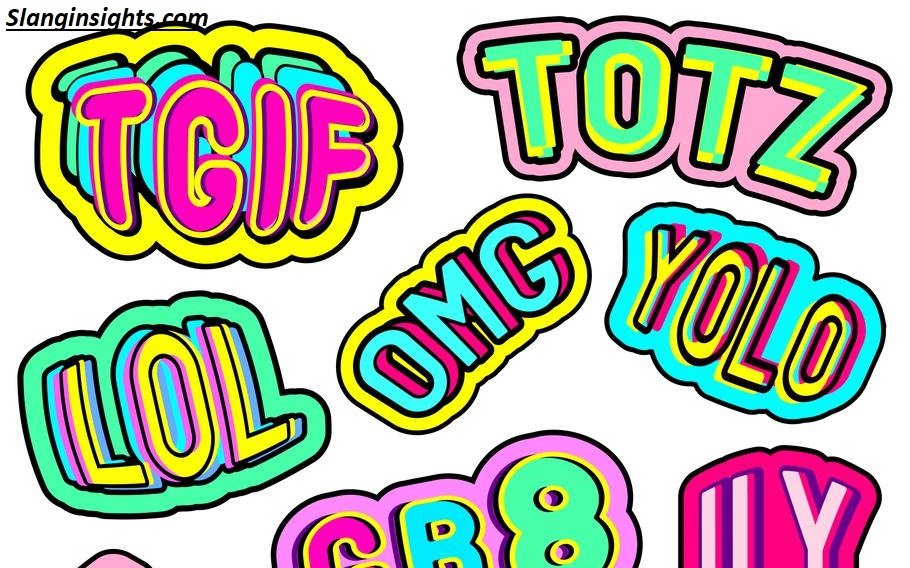
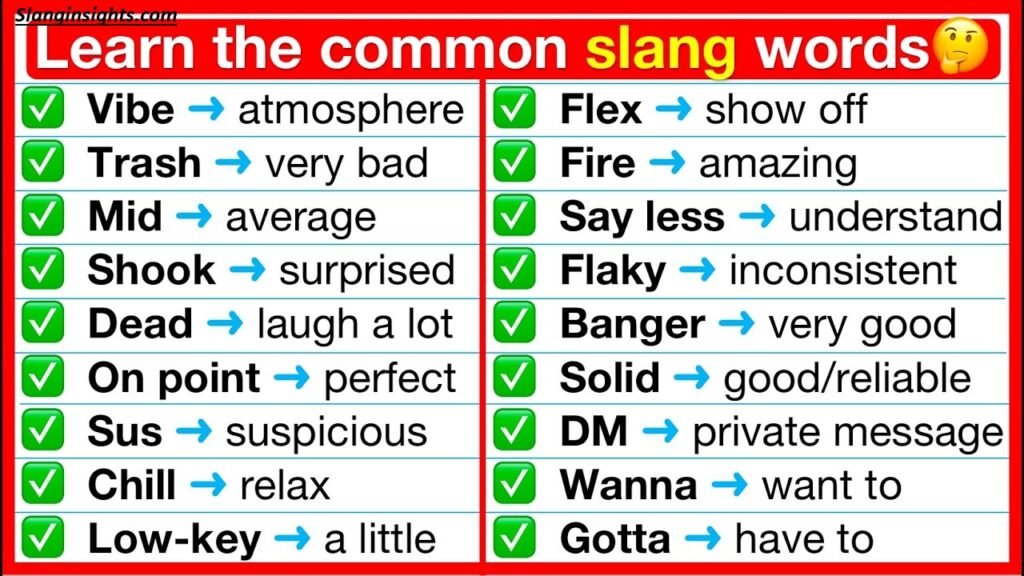
“That’s fire” / “It’s fire” Still going strong, honestly. This one’s had more staying power than most. Works for food, outfits, songs, basically anything you’re impressed by. My mistake here? I once texted my coworker “your presentation was fire” and she thought I meant it went badly, like it “went down in flames.” Context matters — say it, don’t text it, if you’re not 100% sure the person gets the vibe.
“No cap” / “Cap” This means “no lie” (no cap) or calling something fake (“that’s cap”). I used “no cap” correctly for weeks before I realized I was using “cap” backwards — I kept saying something was “cap” when I meant it was true. My nephew corrected me mid-sentence in front of his friends. Painful, but educational.
“Slaps” Usually for music. “This song slaps” means it’s genuinely good, has a great beat, hits different in your headphones. I tried using it for a sandwich once (“this sandwich slaps”) and got confused looks. Turns out you can stretch it to food, but it’s less common — mostly reserved for music and sometimes movies.
“Goated” Comes from “GOAT” — Greatest Of All Time. So calling something “goated” means it’s the best in its category. “That new burger place is goated” or “he’s the goated player on the team.” I like this one because it’s easy to remember and doesn’t sound forced once you get used to it.
“Hits different” This means something feels better or more meaningful in a specific context. Like, “coffee hits different when it’s raining outside.” It’s not just “amazing” — it’s amazing in this particular moment. Nuance matters here, and honestly this one took me the longest to actually use correctly without sounding like I was trying too hard.
“Bussin” Mostly food-related. “This food is bussin” means it’s really good. I want to be honest — I still feel a little silly saying this one out loud as a grown adult, but it’s genuinely common among teens and young adults, especially around food content on TikTok.
“Iconic” Not new, but still heavily used, especially for moments, outfits, or personalities that stand out. Slightly more mainstream now, so it works across age groups without sounding forced.
How I Actually Learned to Use These Without Embarrassing Myself
Step 1: Watch before you speak. Don’t just read a definition somewhere and start using a word immediately. Watch how it’s actually used in real videos or comments first. TikTok and YouTube Shorts comment sections are basically free slang classes if you pay attention.
Step 2: Notice the tone, not just the meaning. Some of these words are casual and playful. Using them in a serious or formal context (like a work email) just feels off, even if technically the definition fits. I learned this after texting my manager that our quarterly numbers were “bussin.” She didn’t respond for two days.
Step 3: Ask before assuming. If you’re unsure, just ask someone who actually uses the word regularly. This sounds obvious, but most people skip it out of pride. My nephew has genuinely enjoyed correcting me — it’s become a bit of a running joke between us now.
Step 4: Don’t overuse it. This is the biggest mistake I made early on. Once I learned “no cap,” I used it in literally every sentence for about two weeks. It stopped sounding natural and started sounding like I was performing being young. Less is more. Sprinkle it in, don’t drown people in it.
Step 5: Accept that you’ll eventually be “that person.” Every generation eventually becomes the one saying outdated slang unknowingly. My dad still says “groovy” sometimes and means it sincerely. In ten years, someone’s nephew is going to correct them for saying “bussin.” That’s just how language works, and honestly, it’s kind of funny once you accept it.
Where These Words Actually Come From
Most of this slang has roots in African American Vernacular English (AAVE), and a lot of it gets popularized further through hip-hop, gaming communities, and Black creators on TikTok before spreading to wider internet culture.
It’s worth knowing this, not just as trivia, but because it helps you understand why certain words carry more weight or feel different depending on who’s using them and where.
It’s also why some words that go viral get criticized later — because they were adopted by brands or influencers without any credit to where they actually came from. If you’re curious about a word’s origin, a quick search usually turns up a genuinely interesting history.
Common Mistakes I See (and Made Myself)
- Using outdated slang while thinking it’s current (the “lit” incident)
- Mixing up similar-sounding words like “cap” and “no cap”
- Overusing a new word until it becomes annoying
- Using casual slang in professional or formal settings
- Assuming slang means the same thing everywhere — regional and platform differences are real
FAQ’s
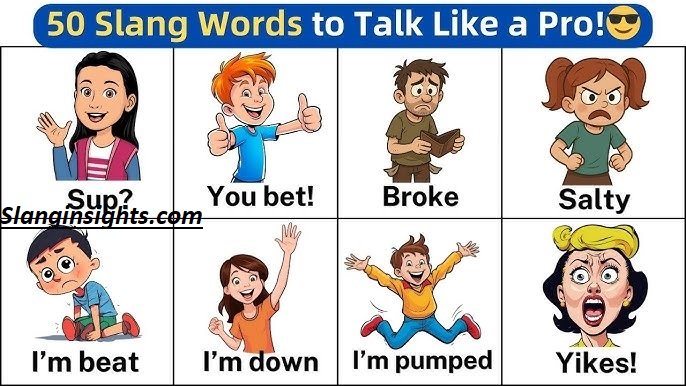
What is considered amazing slang?
Amazing slang refers to trendy, expressive words like “slay,” “rizz,” “iconic,” and “bussin'” that capture emotions, reactions, or personalities in a fun, catchy way. These terms are often popularized through social media and pop culture.
Where does amazing slang come from?
Much of today’s amazing slang originates from Black culture, hip-hop, internet communities, and platforms like TikTok, where new terms spread rapidly and become mainstream.
Does amazing slang change often?
Yes — slang evolves quickly. Words considered amazing slang one year may fade or shift in meaning the next, as new trends and cultural moments emerge.
Why do people use amazing slang instead of regular words?
Slang offers a fun, creative, and often more relatable way to express feelings or reactions. It helps people connect, especially within specific communities or generations.
Is amazing slang only used by younger generations?
While Gen Z and younger millennials use it most often, amazing slang frequently crosses generational lines through social media, marketing, and pop culture exposure.
Conclusion
Amazing slang has become a powerful part of modern communication, offering a creative, expressive way to capture emotions, reactions, and cultural moments in just a word or two.
From “slay” to “rizz” to “hits different,” these terms reflect how language constantly evolves alongside trends, music, and social media.
What makes amazing slang so compelling is its ability to bring humor, personality, and authenticity into everyday conversations, making them feel more relatable and current.
As new words emerge and older ones fade, amazing slang remains a living reflection of culture — especially among younger generations who shape and popularize these terms.
Whether you’re trying to stay in the loop, connect with different communities, or simply enjoy the creativity behind modern language, amazing slang offers an entertaining glimpse into how we communicate today.
It’s more than just trendy words — it’s a snapshot of culture in motion, constantly shifting and reinventing itself in real time.