Truffle Butter Slang Explained Definition, Origin & Examples
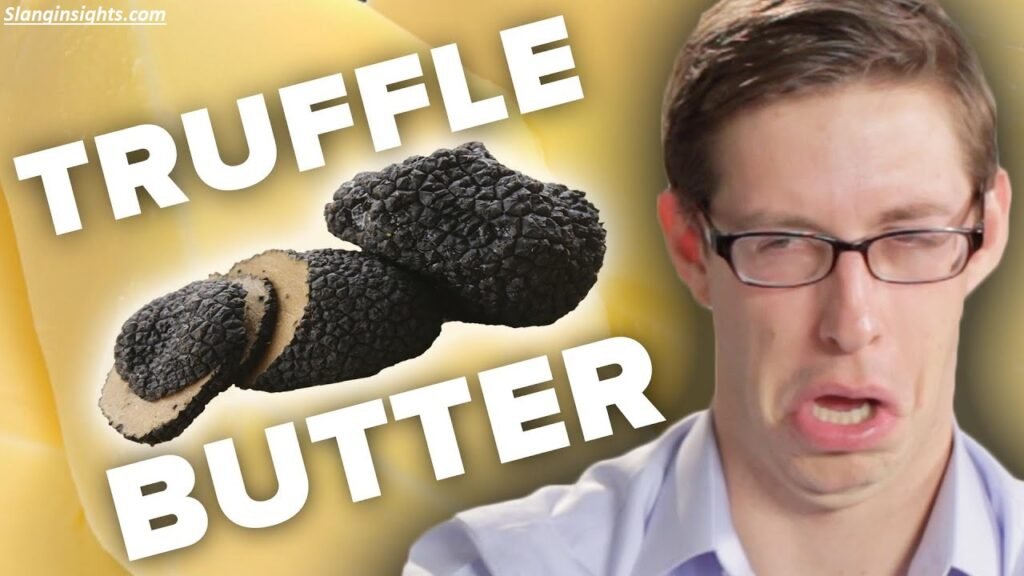
Truffle butter slang represents one of the most misunderstood terms in modern urban vocabulary, shocking many who first encounter its true meaning.
While traditionally referring to a gourmet butter infused with luxurious truffle mushrooms, the slang version emerged from hip-hop culture in 2014 and carries an entirely different, explicit sexual connotation.
The term gained viral popularity after Nicki Minaj, Drake, and Lil Wayne released their hit song “Truffle Butter” on The Pinkprint album, sparking widespread curiosity and countless Google searches.
Today, understanding this slang is essential for navigating contemporary pop culture conversations, social media references, and avoiding potentially embarrassing misunderstandings in casual settings.
Table of Contents
Truffle Butter Slang Meaning Explained
In urban slang terminology, truffle butter refers to bodily secretions and residue that result from alternating between anal and vaginal intercourse without cleaning between penetrations. The term draws its name from the visual similarity between the mixed fluids and actual truffle-infused butter in terms of color and texture.
This graphic sexual slang has nothing to do with the culinary delicacy despite sharing the same name. The comparison is based purely on physical appearance—the tan or brownish buttery consistency that resembles real truffle butter.
The slang meaning is considered highly explicit and NSFW (Not Safe For Work). It falls into the same category as other crude sexual terms found on Urban Dictionary and similar platforms.
According to Urban Dictionary, the most popular definition describes truffle butter as the substance visible around a woman’s vaginal area after a man transitions from anal to vaginal sex. This definition has received thousands of upvotes and became the standard interpretation.
The term emphasizes both the visual appearance and the problematic nature of the practice. Medical professionals have warned about health risks associated with transferring fecal bacteria from the anus to the vagina.
Understanding this definition is crucial before using the term casually. Many people have experienced embarrassment after discovering the slang meaning too late, particularly when they innocently referenced the food item.
The shock value is intentional. Like many crude slang terms, truffle butter gained popularity precisely because of the contrast between its gourmet-sounding name and explicit meaning.
The Origin Story: How Nicki Minaj Made It Famous
The truffle butter slang explosion began in December 2014 when Nicki Minaj released “Truffle Butter” as a bonus track on The Pinkprint album. The song featured verses from Drake and Lil Wayne, creating a Young Money Entertainment collaboration.
The track was released as the fifth single from The Pinkprint on January 23, 2015. It quickly gained commercial success, peaking at number 14 on the Billboard Hot 100 chart.
Drake’s verse actually referenced the legitimate food item, rapping about “filets with the truffle butter” as a symbol of luxury and wealth. His usage was entirely innocent and culinary-focused.
Lil Wayne’s verse included the line “truffle butter on your pussy,” which became the catalyst for the slang interpretation. However, Wayne later claimed in a GQ interview that he didn’t know about any sexual meaning.
According to Dictionary.com’s research, the sexual slang definition didn’t exist before the song’s release. Some enterprising listener created the explicit meaning after hearing Wayne’s lyrics and submitted it to Urban Dictionary.
The first Urban Dictionary entry defining truffle butter in sexual terms appeared just weeks after The Pinkprint dropped in December 2014. This timeline proves the term was essentially invented post-song release.
Curious fans who heard the song immediately searched “truffle butter meaning” online. They discovered the newly created Urban Dictionary definition, which then spread virally across social media platforms.
The song’s lyric video was released in March 2015 and accumulated over 30 million views. Google search trends for “truffle butter” hit their all-time peak during this same month.
The term’s popularity exploded on Twitter, Reddit, and Instagram. People shared reactions ranging from shock and disgust to amusement at the contrast between expectations and reality.
The Song That Started Everything
“Truffle Butter” sampled British producer Maya Jane Coles’ 2010 house track “What They Say.” Producer Nineteen85, affiliated with Drake’s OVO Sound label, discovered the sample while browsing YouTube.
The production featured deep house elements combined with hip-hop beats. Music critics praised the “beat-heavy” and “subwoofer-ready” sound that made the track club-friendly.
Pitchfork described “Truffle Butter” as “a lay-up of a radio hit” and praised it as more likeable than Minaj’s previous single “Only.” Critics appreciated the relaxed, spontaneous collaboration between the three rappers.
The song was nominated for Best Rap Performance at the 58th Grammy Awards. This nomination recognized both its commercial success and artistic quality.
Despite having no official music video, “Truffle Butter” became a massive hit. Minaj stated that when a song succeeds without visual accompaniment, a video becomes unnecessary.
The track stayed on the Billboard Hot 100 for 15 weeks. This longevity demonstrated sustained public interest beyond initial curiosity about the title’s meaning.
Various artists released remixes including Ludacris, T.I., Ace Hood, Remy Ma, and Fat Trel. These covers extended the song’s cultural reach across different rap communities.
All three rappers begin their verses with “Thinkin’ out loud,” creating a cohesive structure. This shared opening phrase became a memorable element of the track.
The song’s lyrics focused primarily on wealth, success, and luxury rather than explicit sexual content. This made the slang definition’s emergence even more surprising.
Urban Dictionary’s Role in Spreading the Term
Urban Dictionary served as the primary platform for documenting and spreading truffle butter slang. The crowdsourced nature of the site allowed users to create and vote on definitions.
The top-rated definition describes truffle butter as the mixture resulting from alternating between anal and vaginal sex. This definition received thousands of upvotes, establishing it as the accepted meaning.
Multiple definitions exist on Urban Dictionary, ranging from the legitimate food item to various crude sexual interpretations. This variety showcases how slang evolves through community contribution.
The platform’s algorithm prioritizes popular definitions, ensuring the sexual meaning appeared first in search results. This visibility accelerated the term’s spread among internet users.
Urban Dictionary has become the go-to resource for decoding modern slang, particularly terms originating from hip-hop culture. Its informal, unfiltered approach resonates with younger demographics.
The site’s example sentences helped users understand contextual usage. These examples ranged from crude jokes to warnings about not googling the term.
User comments on the truffle butter entries expressed shock, humor, and regret at learning the meaning. These reactions became part of the term’s cultural narrative.
The platform’s democratic voting system validated certain definitions over others. This community consensus established the sexual meaning as dominant over culinary references.
Pop Culture Impact and Media Coverage
BuzzFeed published articles investigating truffle butter’s meaning, bringing mainstream media attention. Their coverage included bringing actual truffle butter to the 2015 Billboard Music Awards red carpet for comedic effect.
News outlets like EBONY wrote health-focused articles about risks associated with the practice described by the slang term. Dr. Aletha Maybank, a pediatrician, warned about potential infections.
The term became a pop culture punchline on social media. Tweets expressing regret at learning the definition went viral, including celebrities and influencers sharing their reactions.
Maps Maponyane tweeted in March 2015: “I wish no one ever told me the urban meaning of ‘truffle butter.'” This sentiment echoed thousands of similar reactions.
The Netflix series “Younger” featured characters googling truffle butter and reacting with disgust. This mainstream television reference showed how deeply the slang penetrated popular consciousness.
Food bloggers and chefs initially struggled with the term’s contamination. Restaurants became hesitant to mention truffle butter on social media, fearing misinterpretation.
By 2018, the culinary world began reclaiming the term. Food industry professionals started confidently posting about truffle butter again as the slang novelty wore off.
Memes comparing expectations versus reality flooded social media. These typically showed elegant restaurant dishes followed by shocked reactions upon learning the slang meaning.
The phenomenon demonstrated how quickly hip-hop slang can redefine mainstream vocabulary. A gourmet food term became permanently associated with explicit content virtually overnight.
Health Concerns and Medical Perspectives
Medical professionals immediately raised concerns about the practice described by truffle butter slang. The primary issue involves transferring fecal bacteria from the rectum to the vagina.
Dr. Aletha Maybank, writing for EBONY, explained that fecal matter in the vagina is neither sanitary nor safe. This can lead to serious bacterial infections.
Urinary tract infections (UTIs) are common consequences of this type of bacterial transfer. E. coli from fecal matter can cause painful and potentially serious urinary infections.
Bacterial vaginosis represents another health risk. This condition occurs when harmful bacteria disrupt the vagina’s natural bacterial balance, causing discharge and odor.
More serious complications include pelvic inflammatory disease (PID), which can damage reproductive organs. PID may lead to chronic pain and infertility if left untreated.
The risk of sexually transmitted infections (STIs) increases when switching between anal and vaginal contact. Some STIs transmit more easily through anal tissue.
Proper hygiene practices require thorough cleaning or changing protection between anal and vaginal contact. Medical experts recommend washing with soap and water or using fresh condoms.
Sexual health educators used the truffle butter controversy as a teaching opportunity. They emphasized the importance of understanding risks associated with various sexual practices.
The conversation highlighted gaps in comprehensive sex education. Many people lack basic knowledge about bacterial transmission and safer sex practices.
How the Slang Evolved in 2024-2026
By 2024, truffle butter slang had become deeply embedded in internet culture. Gen Z and younger millennials use it primarily as a shock-value reference or inside joke.
The term appears less frequently in mainstream conversations compared to its 2015 peak. However, it maintains steady usage in meme culture and online forums.
TikTok videos occasionally reference truffle butter, usually in “things I regret googling” compilations. These videos perpetuate the term’s shock value for newer audiences.
Reddit threads continue discussing the term, particularly on subreddits like r/TooAfraidToAsk. Users regularly share experiences of learning the definition and feeling horrified.
The slang has spawned variations and related terms. Similar food-based sexual slang demonstrates the pattern of using innocent culinary references for explicit meanings.
Some language researchers study truffle butter as an example of how pop culture reshapes vocabulary. It illustrates the rapid evolution of slang in the digital age.
Social media algorithms now recognize truffle butter searches and may suggest both culinary and slang-related content. This dual meaning persists in search engine results.
Marketing professionals in the food industry have developed strategies to avoid confusion. Some restaurants use alternative terms like “truffle compound butter” to distance from slang.
The term occasionally resurfaces when new audiences discover Nicki Minaj’s music. Each generation experiences the same shock-to-understanding trajectory.
Truffle Butter in Meme Culture
The “I thought it was food” reaction became a classic meme format. Users share their innocent expectations followed by horrified realizations.
Comparison memes juxtapose gourmet restaurant presentations with Urban Dictionary screenshots. These visual contrasts maximize comedic impact through expectation subversion.
Twitter threads compile the funniest truffle butter reactions. These aggregations keep the term circulating through periodic viral moments.
Instagram meme accounts frequently feature truffle butter content, particularly targeting food enthusiasts. The humor derives from tricking culinary fans into unwitting research.
YouTube reaction videos show people learning the definition in real-time. These genuine shock reactions generate millions of views and shares.
The term appears in “slang you should never google at work” lists. These compilations warn about NSFW terminology while simultaneously spreading awareness.
Group chat screenshots showing friends explaining the meaning have become shareable content. The messenger-of-bad-news dynamic creates relatable humor.
Food Network fans express particular dismay, having associated truffle butter exclusively with luxury cuisine. Their disappointed reactions fuel ongoing meme creation.
The meme longevity demonstrates how sexual slang can achieve memetic immortality. Unlike fleeting trends, truffle butter maintains cultural relevance through shock value.
Comparing to Similar Food-Based Slang
Truffle butter belongs to a category of food-named sexual slang terms. Similar examples include “cream pie,” “tossed salad,” and “Cleveland Steamer.”
“Cream pie” in slang refers to visible semen after internal ejaculation. Like truffle butter, it uses food imagery to describe sexual fluids.
“Tossed salad” describes oral-anal contact (anilingus). This term plays on the food preparation technique’s mixing motion.
“Cleveland Steamer” represents an extremely crude term involving defecation during sex. It demonstrates how far food-based sexual slang can extend.
These terms share common characteristics: innocent food references repurposed for explicit meanings. The humor and shock derive from this juxtaposition.
Food metaphors for sex have existed throughout history, but modern internet culture accelerated their creation and spread. Social media platforms enable rapid viral adoption.
The pattern reveals psychological mechanisms behind slang creation. Using familiar, non-threatening concepts (food) to discuss taboo subjects (sex) reduces discomfort while maintaining shock value.
Truffle butter stands out due to its mainstream music industry exposure. Most food-based sexual slang remains confined to internet communities.
The gourmet nature of truffle butter specifically enhances the contrast. Using a luxury food item for crude purposes maximizes the comedic disconnect.
The Dual Meaning Problem

Restaurants and food bloggers faced genuine confusion when the slang emerged. Legitimate culinary content became vulnerable to misinterpretation.
Chefs posting about truffle butter dishes received inappropriate comments and reactions. This created an uncomfortable atmosphere around innocent food content.
Food industry professionals initially avoided the term on social media. Many switched to alternatives like “truffle compound butter” or simply “truffled butter.”
Cooking websites and recipe blogs had to acknowledge the slang meaning. Some added disclaimers clarifying they meant the actual food product.
Google searches became complicated by dual results. Users seeking recipes encountered Urban Dictionary entries alongside Bon Appétit articles.
The situation improved after 2018 as the slang novelty decreased. Food content gradually reclaimed dominance in truffle butter searches.
High-end restaurants never stopped using the term on menus. Fine dining contexts provided enough implicit clarification for educated audiences.
Cooking show hosts occasionally made jokes acknowledging the slang. This meta-awareness demonstrated cultural competence while reclaiming culinary territory.
The dual meaning created a linguistic case study. It shows how slang can temporarily hijack established terminology before equilibrium restores.
How to Navigate Truffle Butter Conversations
Context is absolutely critical when encountering truffle butter references. The setting determines whether culinary or slang meaning applies.
In restaurant contexts, assume the legitimate food item unless clear indicators suggest otherwise. Menu descriptions and chef discussions typically reference actual truffle butter.
Social media posts require more careful interpretation. Check the poster’s typical content—food bloggers mean the ingredient, while meme accounts mean slang.
If someone mentions truffle butter in casual conversation, their tone and demographic provide clues. Younger people in informal settings likely reference the slang.
When uncertain, asking for clarification is appropriate. A simple “Do you mean the food or the slang?” prevents misunderstandings.
Avoid using the term in professional or formal settings unless specifically discussing food. The potential for misinterpretation outweighs any benefit.
If you accidentally reference truffle butter without knowing the slang meaning, don’t overreact. Simply acknowledge the confusion and clarify your intent.
Teaching moments can arise from truffle butter confusion. Use them to discuss how language evolves and why context matters.
Why Sexual Slang Goes Viral
Shock value drives viral spread of explicit slang. People naturally share surprising or taboo information with their social circles.
The contradiction between innocent appearance and crude meaning creates cognitive dissonance. This mental surprise makes terms memorable and share-worthy.
Celebrity endorsement, even unintentional, massively amplifies reach. Nicki Minaj, Drake, and Lil Wayne’s involvement gave truffle butter unprecedented exposure.
Social media algorithms favor controversial content. Posts explaining shocking slang generate high engagement, promoting further visibility.
Generational knowledge gaps create ongoing discovery cycles. Each new teenage cohort encounters and shares the term as though freshly invented.
The educational aspect provides justification for sharing explicit content. People frame it as “PSA: things not to google” rather than crude humor.
Inside jokes and group bonding motivate sharing. Knowing niche slang creates in-group membership and social capital.
Digital permanence ensures long-term accessibility. Unlike pre-internet slang that faded, online definitions remain searchable indefinitely.
Linguistic Analysis of Food Metaphors in Slang
Food metaphors in sexual slang exploit conceptual blending. The mind merges two distinct domains (cuisine and sexuality) creating novel meanings.
Texture and appearance drive many food-sex connections. Visual similarity between bodily fluids and food substances enables metaphorical extension.
The domestic and intimate nature of both food and sex facilitates association. Both involve physical pleasure, consumption, and private spaces.
Taboo violation enhances appeal. Taking innocent, wholesome concepts (food) and corrupting them provides transgressive satisfaction.
Cultural specificity affects food slang creation. Terms reference foods familiar to the originating culture—truffle butter reflects Western luxury cuisine awareness.
Gender dynamics often appear in food-based sexual slang. Many terms describe acts performed on women, reflecting broader patterns in sexual vocabulary.
The oral fixation common to both eating and sex creates natural linguistic overlap. Terms often involve oral-genital contact.
Food slang allows discussion of sexuality in coded language. This provides plausible deniability in mixed or censored contexts.
The Generational Divide in Slang Understanding

Millennials and Gen Z generally understand truffle butter slang. Their internet nativity and exposure to hip-hop culture provided familiarity.
Gen X and Baby Boomers typically know only the culinary meaning. Their confusion upon discovering the slang creates intergenerational comedy.
The knowledge gap reflects different media consumption patterns. Younger generations engage with Urban Dictionary and slang databases actively.
Older adults often learn the meaning through awkward moments. Innocently using the term in conversation and receiving unexpected reactions provides harsh education.
This divide demonstrates how rapidly language evolves in digital age. Slang that didn’t exist in 2014 became ubiquitous knowledge for under-30s by 2015.
Teenagers in 2026 may never have heard of truffle butter slang. The term’s peak passed before their cultural awareness developed.
The cyclical nature of slang awareness continues. New explicit terms constantly emerge while older ones fade, creating perpetual generational gaps.
Cross-generational communication requires awareness of these differences. What seems innocent to one age group may carry explicit meaning to another.
Commercial Impact on the Food Industry
High-end restaurants initially experienced hesitation around truffle butter menu items. Some temporarily removed or rephrased descriptions to avoid confusion.
Truffle butter sales data from 2015-2016 showed interesting patterns. Some retailers reported brief increases from curious purchasers, others noted cautious avoidance.
Food bloggers developed content strategies addressing the elephant in the room. Many wrote articles titled “Real Truffle Butter vs. The Slang” to clarify.
Cooking education platforms incorporated language awareness. Culinary schools briefly discussed the slang situation to prepare students for customer interactions.
The luxury food market ultimately remained unaffected. Truffle butter’s high price point and sophisticated audience insulated it from lasting damage.
Food delivery apps and recipe websites saw mixed search behavior. Some users deliberately avoided searching “truffle butter recipes” preferring alternative phrasing.
Social media marketing required careful management. Food brands monitored comment sections for inappropriate references and moderated accordingly.
The incident taught valuable lessons about brand vulnerability. Even established culinary terms can be hijacked by pop culture overnight.
Educational Value: Teaching Digital Literacy
The truffle butter phenomenon serves as excellent digital literacy education. It demonstrates why verifying slang meanings before usage is essential.
Schools and parents can use this example to discuss online research skills. Checking Urban Dictionary before repeating unfamiliar terms prevents embarrassment.
The case illustrates how context shapes meaning. The same term carries different connotations depending on social setting and speaker intent.
Media literacy lessons can examine how celebrity influence spreads language. One popular song created a slang term that previously didn’t exist.
Critical thinking applications include questioning why explicit meanings dominate innocent ones. Understanding algorithmic amplification of controversial content provides insight.
The health communication aspect offers science education opportunities. Discussing bacterial transmission and safer sex practices addresses important topics.
Language evolution studies benefit from real-world examples like truffle butter. Students can track how words change meaning across time and communities.
Digital footprint awareness lessons can reference slang mishaps. What seems like harmless sharing might create professional embarrassment years later.
The Psychology Behind Shock Humor
Shock humor triggers physiological responses. The brain’s surprise at unexpected vulgarity releases dopamine, creating pleasurable reactions.
Taboo violation provides psychological satisfaction. Breaking social norms around polite language offers rebellious pleasure, particularly for younger people.
The superiority theory of humor applies to truffle butter jokes. People who know the slang feel intellectually superior to those who don’t.
Incongruity resolution drives the humor. The mind must reconcile “fancy gourmet butter” with “crude sexual term,” and this resolution process generates amusement.
Social bonding occurs through shared knowledge of explicit content. Groups who collectively understand the reference form in-group connections.
The disgust response paradoxically attracts attention. Humans exhibit morbid curiosity about repulsive concepts, driving engagement with gross-out humor.
Relief theory suggests explicit humor releases sexual tension. Discussing taboo topics through comedy provides socially acceptable outlet.
The perpetuation mechanism involves sharing shock experiences. People who felt surprised want to recreate that reaction in others.
Truffle Butter in Academic Research
Sociolinguists study truffle butter as a case of rapid semantic shift. The term demonstrates how quickly meanings can change in digital contexts.
Research papers examine celebrity influence on language evolution. Nicki Minaj’s impact on English vocabulary provides quantifiable data.
Gender studies academics analyze sexual slang patterns. The gendered nature of truffle butter’s definition reflects broader societal dynamics.
Communication studies track information diffusion patterns. The term’s spread through social networks illustrates modern viral phenomena.
Public health researchers use the term to discuss sex education gaps. The confusion around truffle butter reveals knowledge deficits about sexual health.
Marketing scholars examine brand vulnerability to linguistic hijacking. The truffle butter case offers lessons in reputation management.
Media studies programs analyze the role of platforms like Urban Dictionary. These crowdsourced resources function as linguistic authorities for digital natives.
Musicology research considers hip-hop’s linguistic innovations. Truffle butter joins a long history of rap music creating and popularizing slang.
Global Variations and Cultural Differences
American English dominates truffle butter slang usage. The term spread internationally but maintains strongest recognition in the United States.
British English speakers adopted the slang but with less intensity. The UK’s different hip-hop culture and smaller Nicki Minaj following limited impact.
Non-English-speaking countries rarely encounter the slang. Translation doesn’t capture the double meaning, limiting international spread.
Cultural attitudes toward sexual frankness affect adoption. More sexually conservative societies resist or ignore explicit American slang.
Urban versus rural divides exist even within countries. City dwellers with greater internet access know the slang more commonly.
Age demographics transcend national boundaries. Young internet users worldwide share more linguistic common ground than with older compatriots.
Food culture differences influence understanding. Societies without truffle cuisine traditions may not grasp the full incongruity.
The slang demonstrates American cultural export power. US hip-hop and internet culture shape global youth vocabulary.
Future of the Term: Will It Last?
Truffle butter shows signs of declining usage compared to its 2015 peak. However, it maintains baseline cultural persistence through periodic rediscovery.
New generations continuously encountering Nicki Minaj’s music ensures ongoing relevance. The song’s streaming numbers remain substantial, introducing the term to fresh audiences.
Internet archival means permanent searchability. Unlike pre-digital slang that could fade completely, truffle butter definitions remain accessible indefinitely.
The culinary world has largely reclaimed the term. Food content now dominates truffle butter searches, pushing slang meanings lower.
Meme culture may preserve truffle butter longer than organic usage would. Nostalgic memes about 2010s slang keep terms circulating.
Language evolution suggests eventual replacement. New explicit food-based slang will emerge, potentially eclipsing truffle butter’s shock value.
Academic and educational references provide long-term documentation. The term lives on in research papers and digital literacy materials.
Ten-year nostalgia cycles may revive interest. 2024-2026 marks a decade since peak popularity, creating potential for retro appreciation.
Practical Advice for Different Audiences
- For parents: Have honest conversations with teenagers about slang they encounter. Create judgment-free environments where they can ask about confusing terms.
- For educators: Incorporate digital literacy lessons addressing slang verification. Use truffle butter as a case study in language evolution and online research.
- For food professionals: Confidently use the proper culinary term. Your professional context provides adequate clarification without disclaimers.
- For young adults: Understand both meanings and code-switch appropriately. Reserve slang usage for appropriate social contexts among peers.
- For content creators: Be aware of dual meanings when creating food content. Monitor comments for inappropriate references and moderate professionally.
- For social media managers: Research trending terms before using them commercially. Avoid embarrassing brand mishaps through due diligence.
- For language learners: Study slang through reputable sources. Urban Dictionary provides authentic usage but requires cultural context understanding.
- For everyone: When uncertain about slang, research before repeating. A quick search prevents potentially embarrassing misunderstandings.
Frequently Asked Questions (FAQs)
What exactly does truffle butter slang mean?
Truffle butter slang refers to bodily fluids and residue from alternating between anal and vaginal sex without cleaning between acts. The term describes the tan, buttery substance that resembles actual truffle butter in appearance.
Did Nicki Minaj invent the truffle butter slang term?
No, Nicki Minaj didn’t invent the slang, but her 2014 song popularized it. The sexual meaning was created by listeners after the song’s release and submitted to Urban Dictionary within weeks of the track dropping.
Is truffle butter slang appropriate for public use?
No, truffle butter slang is considered NSFW and inappropriate for professional, formal, or mixed-age settings. It should only be used among close friends who understand the explicit nature and context.
What health risks are associated with the practice?
The practice carries serious health risks including urinary tract infections, bacterial vaginosis, pelvic inflammatory disease, and increased STI transmission. Medical professionals strongly advise against alternating without proper hygiene measures.
When did truffle butter become popular as slang?
The slang peaked in March 2015 when Nicki Minaj’s lyric video was released. Google searches reached all-time highs, and the term went viral across social media platforms.
What does real truffle butter refer to?
Real truffle butter is a gourmet compound butter made by blending salted butter with truffle mushroom pieces or truffle oil. It’s a luxury food item used to enhance steaks, pasta, and other dishes.
Why do food terms become sexual slang?
Food metaphors work for sexual slang because both involve physical pleasure, textures, consumption, and intimate settings. The innocent-to-crude transformation creates shock value that drives viral spread.
How should I respond if I accidentally use the term wrong?
Simply clarify that you meant the food item, acknowledge the confusion calmly, and move forward. Most people understand innocent mistakes given the dual meaning situation.
Is the slang still popular in 2026?
The term maintains baseline usage through meme culture and periodic rediscovery, though it’s less prominent than during its 2015 peak. New audiences continuously encounter it through Nicki Minaj’s music.
Should restaurants avoid using truffle butter on menus?
No, restaurants should confidently use the proper culinary term. The fine dining context provides sufficient clarification, and the food industry has successfully reclaimed the phrase from slang contamination.
Conclusion
Truffle butter slang represents a fascinating case study in how modern language evolves through the intersection of celebrity influence, internet culture, and sexual taboo.
What began as a luxury culinary term was transformed overnight by hip-hop lyrics and Urban Dictionary submissions into one of the most shocking slang discoveries of the 2010s.
The term’s journey from Nicki Minaj’s 2014 track to viral meme status demonstrates the unprecedented speed at which meaning can shift in the digital age.
While the slang peaked in 2015, it maintains cultural relevance through continuous rediscovery by new audiences and its permanent presence in online repositories.