Gen X Slang 40 Classic Words Only the ’80s & ’90s Kids Know
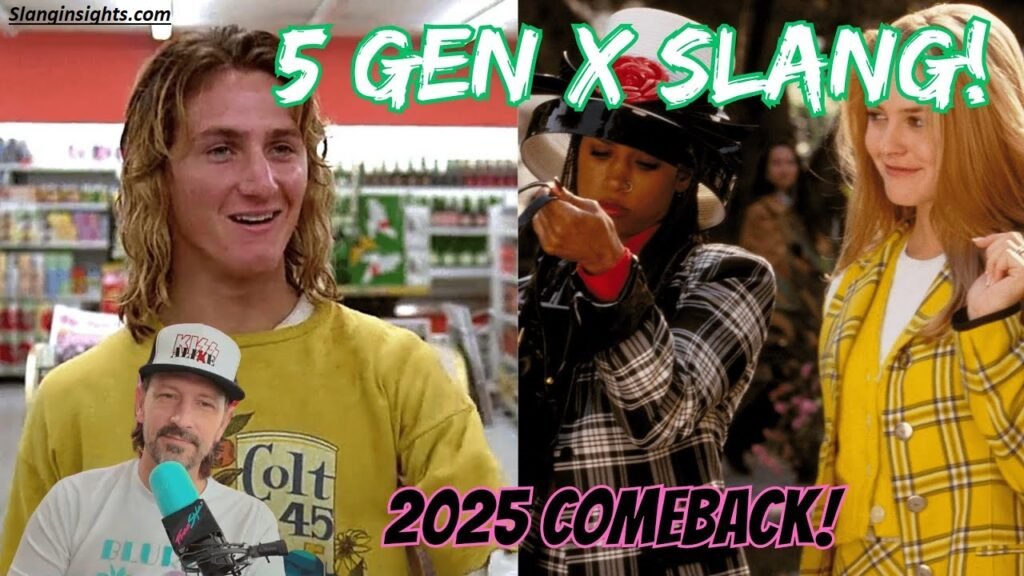
Gen X Slang grew up during one of the most colorful periods in modern language.
The 1980s and 1990s produced unforgettable slang words influenced by music, movies, skate culture, hip-hop, and California youth culture.
Many of these expressions were used by the MTV generation, teenagers who grew up watching music videos, blockbuster movies, and pop-culture icons.
From “rad” and “gnarly” to “cool beans” and “whatever,” Gen X slang shaped everyday conversations. These slang expressions reflected attitudes of rebellion, humor, and creativity.
Today, many people still recognize or even use these phrases, making them a fascinating part of American English slang vocabulary.
In this guide, you’ll discover 40 classic Gen X slang words, their meanings, where they came from, and how they compare to modern slang used by younger generations.
Table of Contents
Quick Table
| Slang Word | Meaning | Origin |
|---|---|---|
| Rad | Awesome or exciting | Surfer slang |
| Gnarly | Cool or extreme | Skate/surf culture |
| Bogus | Fake or unfair | California slang |
| Cool Beans | That’s great | 80s slang expressions |
| Dude | Friend or person | Surf culture |
| Chill Pill | Calm down | Pop culture slang |
| Whatever | Dismissive response | Valley girl slang |
| Word | Agreement or truth | Hip hop slang |
| Gag Me With a Spoon | Disgust | Valley girl slang |
| Psych! | Just kidding | 90s pop culture |
How Gen X Slang Developed
The language of Generation X developed during a unique cultural period between the late 1970s and early 1990s. This generation experienced rapid social changes, new entertainment media, and emerging youth movements.
All of these influences helped shape Gen X slang vocabulary.
During the 1980s, teenagers and young adults began creating slang expressions that reflected their identity. Much of the language came from California slang, particularly surfer slang, skate culture slang, and valley girl slang.
These groups popularized playful phrases that spread quickly among young people.
At the same time, music played a huge role in shaping slang.
The rise of hip hop slang introduced words that emphasized authenticity, confidence, and rhythm. Hip-hop artists used creative language in songs, which fans repeated in everyday conversations.
Another major influence was television.
When music videos became mainstream, the MTV generation absorbed language from musicians, actors, and pop culture icons. Slang expressions used in music videos or interviews spread across the country almost instantly.
The grunge era language of the early 1990s added a more rebellious tone to Gen X slang. Bands like Nirvana and Pearl Jam represented a generation that valued authenticity and independence.
Because of these cultural influences, Gen X developed a distinctive way of speaking. Their slang reflected humor, sarcasm, creativity, and the spirit of youth culture.
Why 80s and 90s Created Unique Slang
The 1980s culture and 90s pop culture created the perfect environment for slang innovation. These decades were filled with rapid changes in music, technology, fashion, and entertainment.
First, the rise of youth culture played a big role. Teenagers had more influence on trends than ever before. Movies, music videos, and television shows aimed directly at young audiences encouraged the creation of new slang expressions.
Second, regional styles of language became popular nationwide. For example, California slang from surfers and skateboarders spread through films and television.
Words like “rad” and “gnarly” originally belonged to surf communities but eventually became mainstream slang.
Third, the emergence of hip-hop music brought powerful new vocabulary into everyday speech. Hip hop slang emphasized rhythm, authenticity, and confidence.
Words like “word” or “fresh” quickly became part of youth language.
Another factor was the rise of the MTV generation. Music Television introduced millions of viewers to new artists, fashion styles, and slang expressions.
Teenagers across the United States adopted phrases used by musicians and celebrities.
Finally, the grunge era language of the early 1990s encouraged a more sarcastic and rebellious tone. Phrases like “whatever” became popular ways to express independence or indifference.
Together, these cultural influences created a vibrant slang vocabulary that defined Generation X.
40 Gen X Slang Words
Here are 40 classic Gen X slang words that defined conversations during the 80s and 90s.
- Rad
- Gnarly
- Bogus
- Cool Beans
- Dude
- Chill Pill
- Whatever
- Word
- Gag Me With a Spoon
- Psych
- Grody
- Totally
- Tubular
- Bodacious
- Bummer
- Yuppie
- Take a Chill
- Homeboy
- Fresh
- Fly
- Bite Me
- No Duh
- As If
- Dweeb
- Nerd
- Wiggin’ Out
- Lame
- Righteous
- Slammin’
- Veg Out
- Take a Hike
- Cut It Out
- Kick Back
- Far Out
- Wicked
- Don’t Go There
- Major
- Choice
- Hoser
- Later
Many of these slang expressions were influenced by surfer slang, valley girl slang, skate culture slang, and hip hop slang. They reflected youth attitudes and creativity.
Gen X Slang Meanings Table
| Slang Expression | Meaning | Cultural Influence |
|---|---|---|
| Rad | Extremely cool | Surfer slang |
| Gnarly | Intense or awesome | Skate culture |
| Bogus | Fake or unfair | California slang |
| Cool Beans | Good or great | 80s slang |
| Dude | Friend or person | Surf culture |
| Chill Pill | Calm down | Pop culture |
| Whatever | Dismissive phrase | Valley girl slang |
| Word | I agree | Hip hop slang |
| Grody | Disgusting | Valley girl slang |
| Tubular | Excellent | Surf culture |
| Fresh | Stylish or cool | Hip hop slang |
| Fly | Attractive or impressive | Hip hop slang |
| Righteous | Very cool | Skate culture |
| Veg Out | Relax lazily | 80s culture |
| Wicked | Very good | Youth slang |
These terms became common across schools, music scenes, and youth communities.
Slang Still Used Today
Many Gen X slang expressions are still used today, even though language continues to evolve. Some phrases became so popular that they crossed generational boundaries.
For example, the word “dude” remains widely used in casual conversations. People of all ages use it when speaking to friends. Similarly, expressions like “cool,” “whatever,” and “chill” still appear in everyday language.
The influence of 90s pop culture also keeps Gen X slang alive. Movies, television shows, and nostalgic social media content frequently revisit the language of the past. Younger generations hear these phrases and sometimes adopt them.
In addition, the internet has revived many slang expressions from the past. Memes and viral videos often reference 80s culture, making older phrases feel fresh again.
Another reason Gen X slang remains relevant is its simplicity. Many of these expressions are short, humorous, and easy to understand. Words like “bogus” or “bummer” quickly communicate emotions without complicated explanations.
Even modern slang sometimes borrows ideas from the past. Today’s youth language still reflects influences from hip hop slang, skate culture slang, and California slang.
Because of this cultural continuity, Gen X slang continues to shape the way people speak today.

Gen X vs Gen Z Slang
Language evolves with every generation. Comparing Gen X slang with Gen Z slang reveals how culture influences communication.
| Gen X Slang | Meaning | Gen Z Equivalent |
|---|---|---|
| Rad | Awesome | Fire |
| Bogus | Fake | Cap |
| Cool Beans | Great | Bet |
| Whatever | Dismissive | I’m dead |
| Fresh | Stylish | Drip |
| Word | I agree | Facts |
Gen X slang often reflected surf culture, skate culture, and valley girl slang. It focused on expressing excitement, humor, and sarcasm.
Gen Z slang, on the other hand, is heavily influenced by internet culture and social media platforms. Words spread quickly through memes, viral videos, and online communities.
Another difference is speed. In the 1980s and 1990s, slang spread through movies, music, and television. Today, language evolves much faster because of social media.
Despite these differences, both generations use slang to create identity, humor, and cultural connection.
Pop Culture Influence
Pop culture played a massive role in spreading Gen X slang expressions. Movies, television shows, music, and fashion trends helped popularize the language of the era.
For example, the MTV generation learned slang from music videos and interviews with popular artists. Fans repeated phrases they heard from musicians, helping slang spread quickly across the country.
Hollywood movies also influenced slang vocabulary. Teen comedies and high school films featured characters using valley girl slang, sarcastic phrases, and exaggerated expressions. Audiences copied these words in real life.
Music genres also contributed to slang development. Hip hop slang introduced rhythmic phrases emphasizing authenticity and confidence. Meanwhile, grunge era language from rock bands expressed rebellious attitudes.
Another influence came from youth subcultures. Skate culture slang and surfer slang produced words describing excitement, danger, and skill.
Because of these cultural influences, Gen X slang became closely connected with entertainment and lifestyle trends. Pop culture not only introduced slang but also helped preserve it in movies, music, and nostalgia.
Why Slang Changes Over Time
Slang constantly evolves because language reflects cultural change. Each generation develops its own vocabulary to express identity, humor, and social values.
Several factors influence slang evolution.
First, technology changes how people communicate. Social media platforms allow new slang words to spread globally within days.
Second, cultural trends influence language. Music, fashion, and entertainment introduce new expressions that people adopt quickly.
Third, younger generations often create slang to distinguish themselves from older generations. Using unique words helps them build identity and community.
Even though slang changes, some expressions survive for decades. Words that are simple, humorous, or widely understood tend to remain in use.
For example, Gen X slang expressions like “dude” or “cool” have lasted for many years because they are versatile and easy to use.
This constant evolution makes language exciting. Slang reflects creativity, cultural shifts, and the personality of each generation.

FAQ’s
What is Gen X slang?
Gen X slang refers to informal words and phrases popular among Generation X during the 1980s and 1990s.
Why was Gen X slang so unique?
It was influenced by MTV culture, hip hop slang, surfer slang, and valley girl slang, creating a diverse vocabulary.
Are Gen X slang words still used today?
Yes. Words like dude, cool, and whatever are still common in everyday speech.
What influenced Gen X slang?
Major influences include 80s culture, 90s pop culture, skate culture slang, and grunge era language.
Which Gen X slang word is most famous?
“Dude” is probably the most widely recognized Gen X slang expression.
Conclusion
Gen X slang represents one of the most memorable periods in modern language.
The 1980s and 1990s produced a unique mix of California slang, surfer slang, valley girl slang, and hip hop slang, all shaped by youth culture and pop-culture influences.
The MTV generation played a major role in spreading slang across the country. Music videos, movies, and television shows introduced new expressions that teenagers quickly adopted.
These slang expressions reflected creativity, humor, and a rebellious spirit.
Even today, many of these phrases remain recognizable. Words like dude, cool, bogus, and whatever continue to appear in everyday conversations and nostalgic media.
Comparing Gen X slang with modern language shows how quickly communication evolves. Each generation develops its own vocabulary shaped by technology, culture, and entertainment.
Despite these changes, the legacy of Gen X slang remains strong. These expressions capture the energy of 80s culture and 90s pop culture, reminding us how language reflects the personality of an era.
Whether you grew up during that time or are discovering it for the first time, Gen X slang offers a fascinating glimpse into the language of a generation.