Cringe Slang Words That Died the Moment Brands Started Using Them
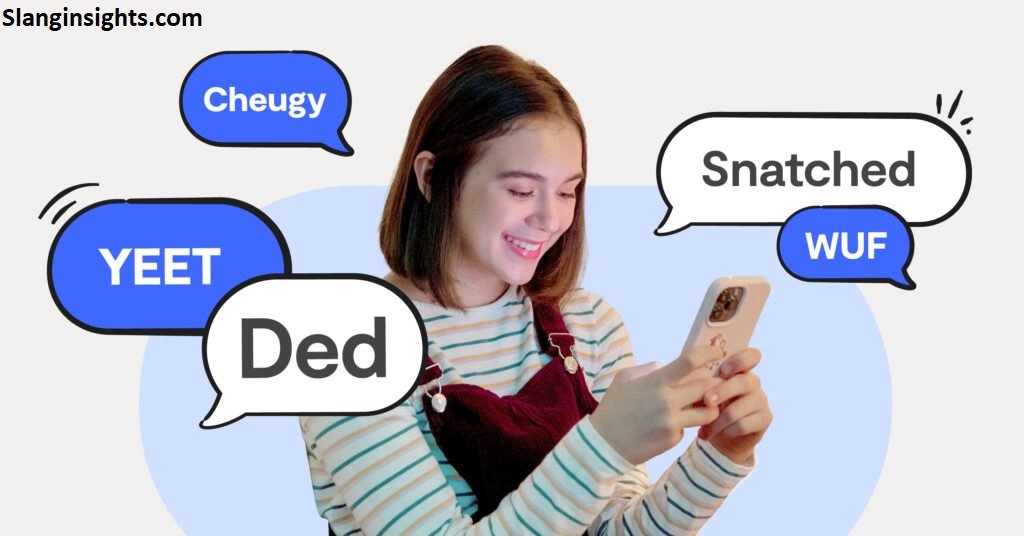
Cringe Slang Words Slang words come and go, but some manage to stick around just long enough to become truly unbearable.
Words like slay, bussin, and no cap were fun for about five minutes before every brand, teacher, and middle-aged coworker started using them in meetings.
Rizz, it’s giving, and understood the assignment followed the same tragic path from cool to cringe almost overnight.
The real problem is not the words themselves but how desperately some people force them into conversation to seem relatable.
Nothing kills a slang word faster than a corporation tweeting it. At that point, it is officially, irreversibly, and periodt dead.
Table of Contents
Quick Table
| Slang Word | Meaning | Cringe Level |
|---|---|---|
| Slay | Do something amazingly | Overused to death |
| Bussin | Really delicious food | Sounds forced |
| No Cap | Honestly / not lying | Killed by dads |
| Rizz | Natural charm / charisma | Peak cringe |
| It’s giving | It reminds me of | Every five seconds |
| Mid | Average / mediocre | Try-hard territory |
| Periodt | Final emphasis | The silent T hurts |
| Ate | Nailed it perfectly | Confusing everyone over 30 |
| Lowkey | Kind of / secretly | Glued to every sentence |
| Touch Grass | Go outside and live | Only online people say it |
Understanding the Rise of Cringe Slang
I stared at my screen for a solid five seconds. Not because I didn’t understand it. I did.
But because watching a man in his forties use TikTok-era slang in a professional context is the linguistic equivalent of showing up to a funeral in a Hawaiian shirt.
Technically you’re dressed. But something has gone deeply wrong.
That moment sent me down a rabbit hole I haven’t fully climbed out of. Because here’s the thing — cringe slang is genuinely fascinating. It’s cringeworthy and inescapable at the same time. Half of us are guilty of using it.
The other half are guilty of using last generation’s version of it.
What Actually Makes Slang “Cringe”?
Not all slang is cringe. Some slang is just… language evolving, which is normal and fine and how English has always worked.
The cringe factor kicks in at a specific intersection: when slang is used past its expiration date, by the wrong demographic, in the wrong context, or with obvious effort to sound cool.
It’s not the word itself most of the time. It’s the context and the delivery.
“Vibe” said naturally by someone who actually vibes with the word? Fine. “Vibe” typed out in a corporate email newsletter by a brand trying to “connect with younger audiences”? Physically painful.
The cringe lives in the gap between authenticity and performance. When someone uses slang to try to seem cool rather than because it’s genuinely how they talk — that’s when the secondhand embarrassment kicks in at full volume.
The Hall of Fame: Slang That Has Earned Its Cringe Status
“Bussin”
This one had a good run. It genuinely did. Came out of Black American vernacular, meant food was exceptionally good, spread to TikTok, peaked somewhere around 2021, and then immediately got run into the ground when every food brand, school cafeteria Instagram account, and morning news anchor used it to describe their content.
The moment a morning show host says something is “bussin,” it’s over. Pour one out.
“No Cap / Lowkey / Highkey”
These three moved in together like roommates from the same AAVE origins and got completely flattened by overuse. “No cap” means no lie. “Lowkey” means sort of, subtly. “Highkey” is the enthusiastic version of lowkey (which already tells you the logic has fallen apart).
The problem isn’t the words. It’s that they got adopted so broadly that they lost all texture. When your mom says she’s “lowkey obsessed” with a BBC period drama, the word has left the building.
“Slay”
I have complicated feelings about “slay.” It came from drag culture, got mainstreamed through reality TV and then TikTok, and is now used to describe someone parallel parking without hitting the curb.
The word once carried genuine weight — a celebration of excellence and self-expression in spaces where that wasn’t easy. Now it’s printed on water bottles at Target.
“It’s giving…”
As in, “It’s giving 2009 MySpace.” Actually still kind of funny when used well. Deeply cringe when used badly, which is most of the time outside of the specific communities that originated it.
The incomplete sentence structure is the whole point — it implies something is so obvious it doesn’t need finishing. But it requires timing and instinct to land. Most people don’t have that instinct.
“Periodt” / “Period”
Used to punctuate a statement as final. Non-negotiable. Done. It works exactly once per conversation, deployed for genuine emphasis. It does not work eleven times in a paragraph, which is how a lot of people seem to be using it.
“Understood the assignment”
This one showed genuine promise. A perfect little phrase for when someone executes something exactly right. Then it got put on motivational posters. And into LinkedIn posts. And honestly at that point what even is language.
“Rizz”
Short for charisma. Coined by streamer Kai Cenat, made famous by a Spider-Man interview, became the Oxford word of the year for 2023. It’s technically still current.
But something about a word peaking as the dictionary word of the year signals that the authenticity window has closed. Words don’t recover from that kind of official recognition.
“Cheugy”
The word invented to describe people who are trying too hard to be trendy… which was itself a trendy word used by people trying to signal they were above trends.
The self-defeating irony was beautiful and complete and now the word itself is cheugy.
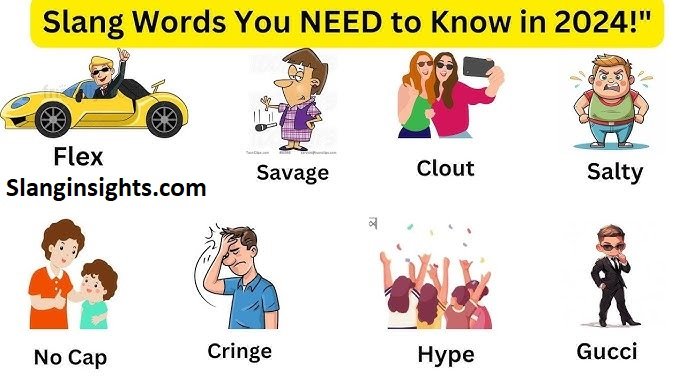
The Cringe Slang That Came Before (And We’ve Mercifully Forgotten)
Here’s something worth sitting with: every generation does this. The words just change.
The 2010s gave us “YOLO,” “swag,” “totes,” “adorbs,” and my personal nemesis — “fleek.” As in, “on fleek.” Do you remember how inescapable that was for about eighteen months? Every brand, every hair salon social post, every aunt on Facebook.
The 2000s had “bling,” “da bomb,” and people unironically saying “talk to the hand.”
The 90s had “all that and a bag of chips” and “as if” (okay, “as if” was actually great and I stand by it).
The point: the cringe words you’re rolling your eyes at right now will be nostalgic in fifteen years. Someone will make a BuzzFeed list — or whatever exists instead of BuzzFeed — about how nobody says “slay” anymore. And you’ll feel a weird pang about it.
Why Brands Using Gen Z Slang Is a Special Category of Cringe
This deserves its own section because it’s so consistently, reliably awful.
When a fast food chain tweets “ok bestie we see you” or a bank’s Instagram caption includes “no cap, these rates are bussin,” something sacred has been violated.
Not because slang is sacred — but because the cynicism behind it is so visible.
It’s not that companies can’t use casual language. Some brands genuinely nail it (Wendy’s Twitter account had a real moment for a few years because it felt like an actual person was writing it, not a committee).
The difference is authenticity versus strategy.
When slang gets processed through a marketing department and focus group tested before deployment, you can feel it. The timing is always slightly off. The word choice is always one news cycle behind.
And the audience it’s trying to reach is usually the most sensitive to this kind of thing — because younger people have extremely refined detectors for inauthenticity.
The cringe isn’t the slang itself. It’s the condescension embedded in thinking you can trick people into feeling connected to you by using their words incorrectly.
How to Actually Use Slang Without It Being Awful
Look, I’m not here to tell you to talk like a formal document. Slang is fun. Language is supposed to be fun. Here’s what actually separates good slang usage from cringe slang usage:
Use it because it fits, not because it signals something. The second your word choice becomes about how you want to be perceived rather than what you actually want to say, it reads wrong. People can sense this.
Know where it came from. A lot of contemporary slang originates in Black American communities and/or LGBTQ+ spaces. Using those words without any awareness of where they came from, or using them to profit while those same communities face criticism for the same speech — that’s a whole layer of cringe that goes beyond embarrassing into something worse.
Let it age out naturally. If you’ve been using a slang word for more than two years, check in with yourself. Is it still alive? Has it been adopted by Denny’s social media? Adjust accordingly.
Context is everything. “That was fire” in a text to a friend about a concert? Fine. In a quarterly review presentation? We need to talk.
Don’t force it. The cringe of forced slang is immediately detectable.
If you have to stop and think about whether a slang word fits, it doesn’t fit. The words that work are the ones that come naturally — and if they don’t come naturally, that’s actually useful information about your relationship to that word.
The Slang We’re Using Right Now That Will Be Cringe in Five Years
I’ll go on record here. These are my predictions for the words that will make future-us wince:
- “Era” — as in “I’m in my main character era.” It’s already getting there. The shelf life is shortening rapidly.
- “Understood the assignment” — already kind of gone but not all the way gone, which is somehow worse.
- “Delulu” — short for delusional. Charming for about six months. Now it’s on merchandise.
- “Roman Empire” — the “I think about the Roman Empire” thing. Already dated by the time most people understood the reference.
- “Real” — used as a one-word reaction meaning “I relate to this deeply.” Seems bulletproof right now. It won’t be.
- “That’s so cooked” — meaning something is ruined or someone is in trouble. Current. Enjoy it while it lasts.
The Bigger Picture
There’s something genuinely interesting about why we get so secondhand-embarrassed by cringe slang. Part of it is about authenticity — we’re social creatures who can spot a performance from across the room.
Part of it is about in-group signals — slang functions partly to mark community membership, and watching an outsider use it feels like watching someone wear a sports jersey for a team they’ve never watched play.
But part of it, honestly, is just that we’re all a little smug about language. We all think we’re using it correctly while someone else is using it cringe-ily.
Which means we’re probably all the 41-year-old from my Slack message to someone, somewhere.
FAQ’s
Why do slang words become cringe so quickly?
Once a slang word spreads beyond its original group and gets picked up by brands, teachers, and mainstream media, it loses all coolness instantly and becomes painful to hear.
Is it okay to use slang words in everyday conversation?
It depends on your age, audience, and context. Using slang naturally with friends is fine, but forcing it into professional or formal settings is where the cringe truly begins.
Which generation creates the most slang?
Gen Z is currently the biggest driver of modern slang, but Gen Alpha is already replacing it faster than most people can keep up with.
Why do corporations using slang feel so uncomfortable?
Because it feels calculated and fake. Slang is born from authentic culture, so when a fast food brand tweets “no cap that burger is bussin” it feels deeply unnatural and desperate.
Can slang words ever make a comeback?
Rarely, but yes. Some words cycle back ironically or get reclaimed by a new generation who discovers them fresh, giving them a second life with a completely different energy.
Conclusion
Slang is a fascinating and ever-changing part of language that reflects the culture, humor, and creativity of the generation using it.
Every era has its own words that feel electric and alive when they first appear, spreading quickly through friend groups, social media, and pop culture.
The problem begins when those same words overstay their welcome and get recycled endlessly by people who clearly discovered them three years too late.
The words on this list were not always cringe. At some point, each one felt fresh, funny, and genuinely expressive.
It was the overuse, the corporate adoption, and the desperate attempts by out-of-touch adults to seem relatable that slowly drained the life out of them.
The moment a word appears in a brand’s Instagram caption or a teacher uses it to connect with students, it is essentially finished.
Language will always evolve, and new slang will always rise to replace what becomes tired and embarrassing. The best approach is to use words naturally, never force them, and know when to let go.
Trying too hard to stay current is, ironically, the most cringe thing of all. Stay authentic, keep it real, and for the love of everything — please retire slay.