TikTok Slangs You Need to Know Before You Embarrass Yourself Online
TikTok Slangs has completely transformed the way we talk online. From “slay” meaning to absolutely nail something, to “no cap” meaning no lie, the platform keeps dropping fresh slang daily.
“Bussin” means something is incredibly good, while “NPC” describes someone acting robotic or clueless. “Rent free” means a thought living permanently in your head, and “understood the assignment” means someone delivered perfectly.
“Caught in 4K” means being recorded doing something embarrassing. “It’s giving” describes a vibe or energy someone is putting out.
“Rizz” means natural charm, and “main character” means someone who acts like life revolves around them. Stay fluent, stay relevant!
Table of Contents
Quick Table
| # | Slang | Meaning |
|---|---|---|
| 1 | Slay | To absolutely nail or do something exceptionally well |
| 2 | No Cap | No lie — speaking the absolute truth |
| 3 | Bussin | Something incredibly delicious or amazingly good |
| 4 | NPC | Someone acting robotic, clueless, or without personality |
| 5 | Rent Free | A thought or person living permanently in your head |
| 6 | Understood the Assignment | Someone who delivered or performed perfectly |
| 7 | Caught in 4K | Being recorded or caught doing something embarrassing |
| 8 | It’s Giving | Describing the vibe or energy someone is putting out |
| 9 | Rizz | Natural charm, charisma, or the ability to attract others |
| 10 | Main Character | Someone who acts like life completely revolves around them |
I Didn’t Know What “NPC” Meant — So I Went Down the Rabbit Hole
Last year, my younger cousin texted me three words after I sent her a totally normal birthday message: “you’re so mid.” I laughed, typed back “thanks?”, and then immediately opened Google in a panic. Turns out I had just been casually insulted.
That’s the thing about TikTok slang. It doesn’t announce itself. It just shows up in your DMs, in comment sections, in the mouths of teenagers at family dinners — and if you’re not keeping up, you either look clueless or, worse, you use it wrong.
I once told a coworker that something was “bussin” when I clearly meant something totally different. We don’t talk about that.
So I actually sat down, spent too many hours on TikTok (for research, obviously), read comment sections like it was a PhD thesis, and put together this breakdown.
No dictionary vibes. Just real explanations, real examples, and the stuff nobody warns you about.
Gen Z VocabInternet LanguageSocial MediaTikTok CultureDigital Literacy
Why TikTok Slang Hits Different
Most internet slang spreads slowly. Someone tweets a phrase, it gets retweeted, picked up by a meme page, eventually someone’s mom uses it and it dies. TikTok slang moves faster because the algorithm moves faster.
A 17-second video can turn a random noise (literally, just a sound) into a linguistic trend overnight.
There’s also the audio element. TikTok slang isn’t just words — it’s delivered with a specific tone, a specific face, a specific energy.
“It’s giving” means nothing if you say it flatly. You have to get it. That’s what makes it hard to look up in a regular dictionary and actually understand.
“TikTok slang is less about vocabulary and more about fluency — it’s a vibe, not a definition.”
The Glossary You Actually Need
Let’s go term by term. I’m not going to list 50 words and call it a day. I’ll explain where each one comes from, how it’s actually used, and — crucially — how to not humiliate yourself with it.
NPC
Non-Playable Character
Borrowed from gaming. In video games, NPCs are background characters who walk in loops, say the same scripted lines, and never make their own decisions.
On TikTok, calling someone an NPC means they move through life on autopilot, doing what they’re told without thinking critically.
There’s also the “NPC streaming” trend where creators literally act like NPCs — repeating phrases like “ice cream so good” on loop. Surreal, weird, and somehow also a viable income stream.
Slay
To execute something impressively
This one isn’t new — it’s been part of Black and LGBTQ+ ballroom culture for decades. But TikTok blasted it into the mainstream. “She slayed that presentation” just means she crushed it. It’s complimentary and pretty versatile now.
Older usage carried more of a fierce, fashion-forward energy. Now it’s used for everything from cooking a meal to surviving a Monday morning, which some people find diluting, and honestly, fair enough.
It’s giving…
It has the energy / vibe of…
This one is all about energy analysis. “It’s giving main character.” “It’s giving corporate dystopia.” You’re describing the aura of something rather than labeling it directly.
The power here is in what you leave unsaid — a raised eyebrow, a slight pause after “giving,” and the listener fills in the rest. Originally from Black AAVE (African American Vernacular English), this phrase took off on TikTok and got everywhere fast.
Understood the assignment
Performed exactly as expected or better
When someone perfectly nails a vibe, look, or task — they “understood the assignment.” You’ll see it under videos where someone shows up to a costume party absolutely immaculate:
“She UNDERSTOOD the assignment.” It’s high praise. The inverse, “didn’t understand the assignment,” is a mild drag. Used in comments, captions, and now in real-world conversations more than it probably should be.
The Visual Dictionary: Quick-Fire Terms
Rent free
Living in your head rent free. Something you can’t stop thinking about, obsessing over — usually a person or a moment. “That video is living in my head rent free.”
No cap
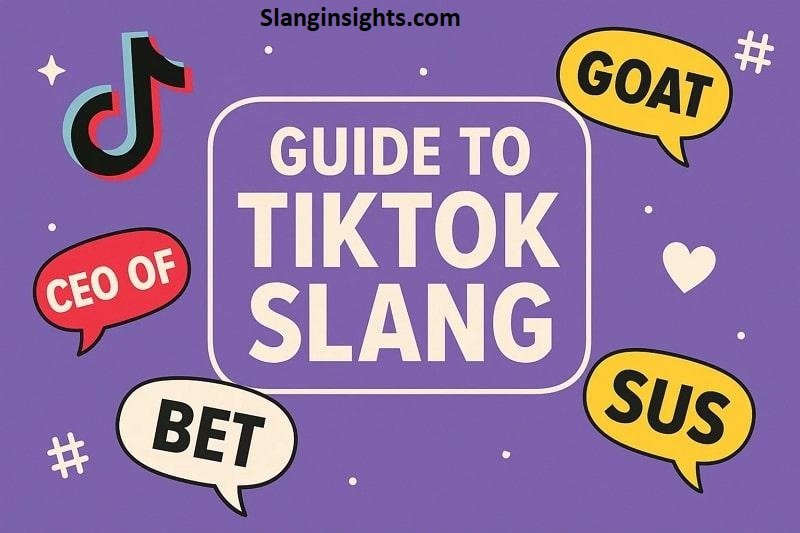
No lie, for real. “That pizza was the best I’ve ever had, no cap.” Saying “cap” alone means someone is lying. This one came from hip-hop long before TikTok, but TikTok made it universal.
Main character
The person who acts like the protagonist of their own movie — in a good or ironic way. “She walked in like she was the main character.” Aspirational or delusional, depending on context.
Ate (and left no crumbs)
Did something perfectly and completely. No evidence of effort remaining. Pure execution. “She ate that performance.”
Mid
Average, mediocre, nothing special. The opposite of hype. If something is called mid, you should probably be offended. Not aggressively bad — just disappointingly ordinary.
Rizz
Natural charm and charisma, especially in romantic or social contexts. “He walked up and just had rizz.” You either have it or you don’t, according to the internet. It can’t be faked.
Delulu
Short for delusional. But used affectionately — being delulu about a celebrity crush, or manifesting something unrealistic. “Delulu is the solulu” became an actual mantra for a while. Chaotic logic, but it tracks.
Bussin
Extremely good — almost exclusively about food. “This biryani is bussin.” If you call a PowerPoint bussin, you’ve made a mistake and people will know.
The Ones That’ll Get You in Trouble
Here’s the part nobody writes about. Some slang has nuance that gets lost when it crosses cultural lines — and using it wrong isn’t just cringy, it can be genuinely disrespectful.
Common Mistake
Terms like “slay,” “it’s giving,” “ate,” “no cap,” and “rizz” (with some debate) have roots in Black American culture and LGBTQ+ communities. Using them casually without that awareness can be a form of cultural borrowing without credit.
You don’t have to avoid them — but knowing where they come from is just basic respect. Give credit. Follow and support the creators who originated the language.
Context Matters
Don’t call food “slay” or describe a person as “bussin.” The slang is weirdly specific to its category. Mixing up which word applies where is an instant giveaway that you learned it from a listicle and not from actually being on the platform.
How to Actually Pick This Stuff Up
Here’s what genuinely worked for me, beyond just reading about it:
Spend time in comment sections, not just watching videos. The comment section is where slang lives, mutates, and gets mocked when someone uses it wrong. Scroll the comments on trending videos and you’ll absorb tone faster than any glossary can teach you.
Follow creators who use it organically. The slang sounds completely different when it’s native versus when it’s performed. Watching someone who naturally code-switches between formal and casual internet language is the fastest way to get the ear for it.
Practical Tip
When you hear a term and genuinely don’t know it — just ask. “Wait, what does that mean?” in a comment section will get you a dozen enthusiastic explanations. Gen Z is surprisingly patient about this when the question is genuine.
What they’re NOT patient about: pretending you know and using it wrong.
Don’t force it in writing. Slang works in text messages and comment replies because the format is casual. If you’re writing a blog post, an email, or a caption trying to seem relatable by sprinkling in “no cap” and “bussin” — it almost always reads forced. Use it when it genuinely fits your voice, not as a strategy.
Slang That’s Already Aging Out
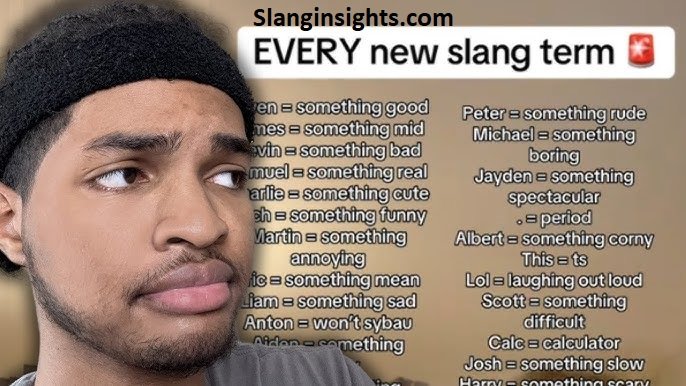
Part of the weird cycle of internet language is how fast it dates itself. Some terms that were everywhere two years ago now feel slightly embarrassing — which is actually useful information. If you use these unironically in 2025, you might get a side-eye:
“Periodt” (the hard T version), “Vibe check,” “OK Boomer,” “I’m dead,” “Lowkey obsessed.” Not buried — but noticeably dusty. You can still use them. Just know the room.
Interestingly, “no cap” has had remarkable staying power. So has “ate.” Some slang just fuses with the language so thoroughly that it stops being slang and becomes… normal.
That’s the lifecycle. Shakespeare invented words too. He just didn’t have a FYP page.
A Few Words on the Real Function of All This
There’s a real point to learning this stuff beyond not embarrassing yourself. Language is always how in-groups communicate identity, belonging, and shared experience.
TikTok slang is no different — it’s a rapidly evolving shorthand for shared cultural moments, feelings that are hard to articulate formally, and the kind of dry, layered humor that the internet loves.
When someone drops “it’s giving Roman Empire” under a video, they’re not just making a pop culture reference. They’re signaling that they’ve been online long enough, seen the memes, participated in the conversations.
It’s a handshake disguised as a sentence.
You don’t need to master all of it. But a basic fluency — knowing what NPC means, being able to tell when something is bussin vs slay vs ate — genuinely helps you follow the culture that’s producing some of the most interesting (and weird, and funny, and occasionally actually profound) content on the internet right now.
FAQ’s
What are TikTok slangs?
TikTok slangs are trendy words and phrases that originate or go viral on the TikTok platform. They reflect the creativity and humor of Gen Z culture and spread rapidly across social media, conversations, and even mainstream media worldwide.
Why do TikTok slangs change so quickly?
TikTok moves at an incredibly fast pace, with new trends, sounds, and videos going viral daily. As new content creators rise and fresh trends emerge, new slang terms are born and old ones fade, keeping the language constantly evolving and exciting.
Are TikTok slangs only used by teenagers?
Not at all. While TikTok slangs are rooted in Gen Z culture, they have crossed generational lines and are now widely used by millennials, adults, and even brands and businesses looking to connect with younger, digitally engaged audiences online.
Can TikTok slangs be used in everyday conversation?
Absolutely. Many TikTok slangs have moved beyond the app and into everyday speech, text messages, emails, and even workplace conversations. Words like “slay,” “rizz,” and “no cap” are now part of mainstream modern English vocabulary.
How can I keep up with new TikTok slangs?
The best way to stay current is to spend time on TikTok itself, follow trending creators, and pay attention to comment sections where new slang often first appears. Online slang dictionaries and pop culture blogs are also great resources.
Conclusion
TikTok slangs are far more than just trendy words — they are a living, breathing reflection of how language evolves in the digital age.
Every new slang term that goes viral tells a story about culture, humor, identity, and the way young people choose to express themselves in a fast-moving world.
From “slay” to “rizz,” these words carry energy, personality, and a sense of belonging that resonates deeply with millions of people across the globe.
Understanding TikTok slang is not just about staying relevant online — it is about connecting with a generation that communicates differently, thinks creatively, and uses language as a powerful tool for self-expression and community building.
Whether you are a content creator, a parent trying to understand your teenager, a marketer targeting younger audiences, or simply someone who loves language, learning TikTok slang opens a door to a vibrant and ever-changing cultural conversation.
Language has always evolved with society, and TikTok is simply the latest stage for that evolution.
Embrace the slang, enjoy the humor, and remember — if you are still confused, just say “understood the assignment” and keep scrolling. Stay fluent, stay current, and most importantly, keep slaying every single day!