Canadian Slang Words Common Phrases, Meanings, and Real-Life Examples
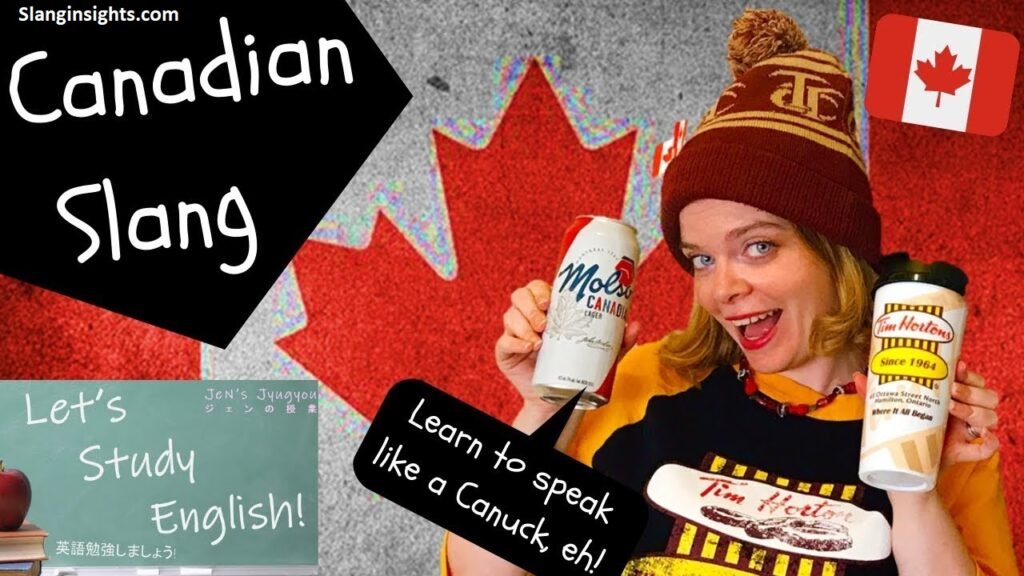
Canadian Slang Words If you’re visiting Canada, knowing the local lingo will take you far. Canadians love saying “eh” at the end of sentences to invite agreement — it’s practically the national punctuation mark.
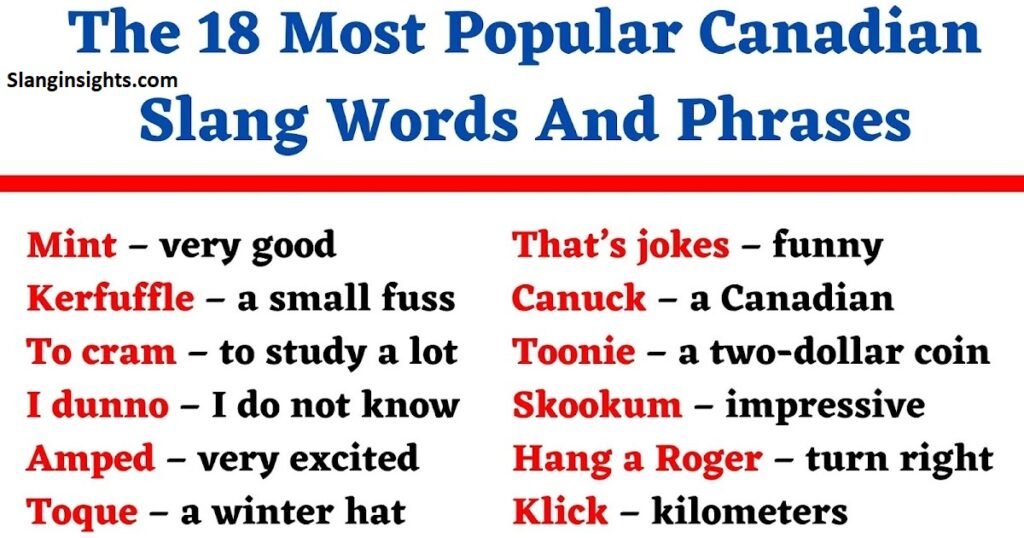
A toque is a winter knit hat, and a double-double is a Tim Hortons coffee with two creams and two sugars. Call someone a keener and you mean they’re overly enthusiastic.
A hoser is a good-natured insult for a foolish person. Beauty means something is excellent, while loonie and toonie refer to the one and two-dollar coins.
If something is sketch, it’s suspicious. Washroom is always preferred over “bathroom,” and clicking on something is called chucking in some regions. In Canada, you don’t go to the couch — you hit the chesterfield.
Table of Contents
Quick Table
| Slang Word | Meaning |
|---|---|
| Eh | Seeking agreement or confirmation |
| Toque | Winter knit hat |
| Double-Double | Coffee with two creams, two sugars |
| Keener | Overly enthusiastic person |
| Hoser | Good-natured insult for a fool |
| Beauty | Excellent, amazing |
| Loonie | One-dollar coin |
| Toonie | Two-dollar coin |
| Sketch | Suspicious, shady |
| Chesterfield | Sofa, couch |
| Washroom | Bathroom, restroom |
| Clicks | Kilometres |
| Poutine | Fries with gravy and cheese curds |
| Mickey | Small bottle of alcohol |
| Two-Four | Case of 24 beers |
| Rink Rat | Someone who loves hockey |
| Dart | A cigarette |
| Chinook | Warm winter wind |
| Kerfuffle | A commotion or fuss |
| Give’r | Go all out, try hard |
| Bunnyhug | Hoodie or zip-up sweatshirt |
| Dep | Corner store (Quebec slang) |
| Greasy | Gross or unpleasant |
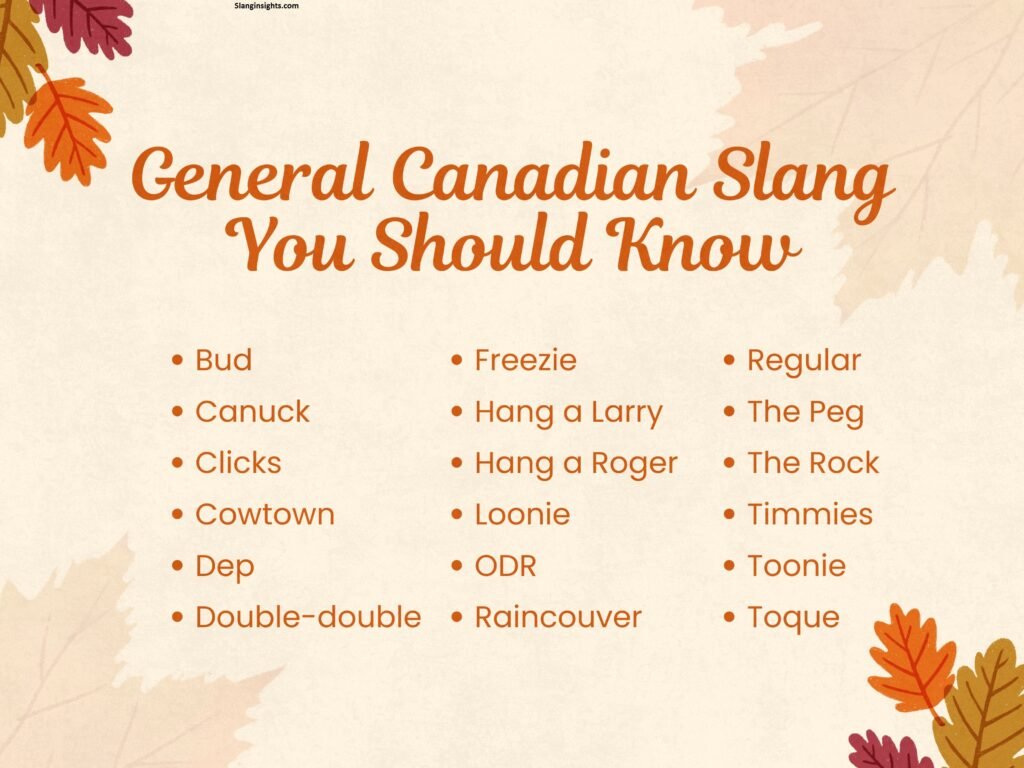
| Hang a larry | Turn left |
| Snowbird | Canadian who winters in the south |
A Practical Guide to Canadian Slang
The first time someone called me a “keener” at a Toronto meetup, I genuinely thought they were complimenting my fashion sense. I smiled, nodded, and said “thanks” — and the whole group burst out laughing.
Turns out, being called a keener means you’re overly enthusiastic, a bit of a try-hard. Not exactly an insult, but definitely not a fashion compliment either.
That moment taught me something important: Canadian slang is its own universe, and if you’re not from there — or even if you are from there but grew up in a different province — you can absolutely get blindsided.
I’ve spent a solid chunk of time living in, traveling through, and talking to people from Canada, and here’s what I’ve picked up. This isn’t your Wikipedia list.
These are the words and phrases that actually come up in real conversations — over hockey, Tim Hortons runs, and debates about whether it’s “pop” or “soda.”
Why Canadian Slang Is Different From American English
You’d think, because both countries speak English and share so much pop culture, the slang would be pretty interchangeable. It’s really not.
Canadian slang borrows from British English, French (especially in Quebec and New Brunswick), Indigenous languages, and even some Scottish influence in Maritime provinces.
Mix that with American cultural overlap and you get something genuinely unique — phrases that sound familiar on the surface but carry different meaning, different weight, different vibes.
Also, Canadians are polite about correcting you. They’ll let you say the wrong thing like three times before gently stepping in. That’s just the culture. So don’t count on them to save you in real-time.
The Everyday Words You’ll Hear Constantly
Eh
Let’s get the obvious one out of the way. Yes, Canadians actually say “eh.” But here’s what most outsiders miss: it’s not just a verbal tic. “Eh” is flexible.
It can mean “right?”, “don’t you think?”, “are you following me?”, or just be a conversational filler that invites the other person to stay engaged.
“Cold out today, eh?” isn’t really a question. It’s a social tool. It’s Canada’s version of keeping the conversation alive without demanding an answer.
Toque (pronounced “too-k”)
A winter hat. A knit cap. A beanie. Whatever you call it wherever you’re from — in Canada, it’s a toque. And not knowing this word in February will immediately out you as a non-local.
Saying “I can’t find my beanie” will earn you a gentle but unmistakable side-eye.
Pop
It’s not soda. It’s pop. This one also exists in parts of the American Midwest, but it’s nearly universal in Canada. Ask for a “soda” and they’ll know what you mean, but they might pause for a second.
Loonie and Toonie
The one-dollar coin is a loonie (it has a loon bird on it). The two-dollar coin is a toonie. If someone says “got a loonie?” they’re not making fun of you — they literally want a dollar coin. This one trips up a lot of visitors at cash registers.
Double-double
This is Tim Hortons language, and Tim Hortons is basically a Canadian institution. A double-double is a coffee with two creams and two sugars.
At this point, the phrase has migrated off the menu and into general Canadian vocabulary. People use it metaphorically sometimes too — “classic double-double situation” meaning something predictable and reliable.
Slang That Canadians Use But Won’t Always Explain
Hoser
Old-school slang. Originally kind of an insult — someone who’s a bit of a fool, a loser. These days it’s been mostly reclaimed as affectionate ribbing between friends. You’ll mostly hear it from older Canadians or as a self-deprecating joke.
Thanks largely to the old SCTV sketch comedy show (Bob and Doug McKenzie), this word became a cultural symbol.
Keener
This one I learned the hard way. A keener is someone who’s overly eager — teacher’s pet energy, always first to raise their hand, trying just a little too hard. It’s not always mean-spirited, but it’s not a compliment either.
Context matters a lot. Among friends, it can be teasing. In a workplace, it might carry mild contempt.
Chirping
To chirp someone is to tease or trash-talk them. Heavy hockey culture influence here. If someone’s “chirping” you, they’re giving you grief — usually in a playful way, but it can escalate.
The line between fun chirping and actual beef can be thin, so read the room.
Mickey
A 375ml bottle of liquor. That’s it. “Grabbing a mickey” means picking up a small bottle of alcohol, usually before heading somewhere.
If someone says they’ve got a mickey in their jacket, they brought a flask-sized bottle of something to the event. This one confused me completely when I first heard it.
Kerfuffle
Technically not exclusively Canadian, but Canadians use it way more than anyone else I’ve encountered. It means a commotion or fuss — usually minor. A small drama.
“There was a bit of a kerfuffle at the condo board meeting.” Yes, this is a sentence that gets said in Canada.
Dart
A cigarette. Not the thing you throw at a board. If someone steps outside for a dart, they’re going for a smoke. Simple enough once you know it, but bewildering the first time you hear it.
Regional Slang Worth Knowing
Canada is enormous — second largest country in the world by area — and the slang shifts noticeably between regions.
In Quebec (and French-influenced areas):
Even English-speakers in Quebec pepper their conversation with French expressions. “C’est la vie,” sure, but also things like “tabarnak” (a very strong swear word from Catholic terminology — think of it like the F-word) or “câlice.”
These are called sacres — profanity rooted in Catholic church terms. Non-Quebecers often don’t realize how loaded these words are until they say one accidentally.
“Dépanneur” (dep) is a convenience store. In Montreal, you don’t go to a corner store — you go to the dep.
In the Maritimes (Nova Scotia, New Brunswick, PEI):
You’ll hear “some” used as an intensifier. “That’s some good” means “that’s really good.” “Some cold out” means “very cold.” It sounds odd written out, but flows completely naturally in conversation.
“Wicked” also gets heavy use here, similar to New England in the States.
In British Columbia:
More laid-back Pacific Coast vibes. “Stoked” and “gnarly” have surfboard-era West Coast energy. You’ll also hear “the island” to mean Vancouver Island — as if there’s only one island in the world.
Phrases That Sound Rude But Aren’t
“I’ll try to make it” — This almost always means no. Canadians are famously non-confrontational, and this is a soft decline. Don’t actually clear a spot for them.
“Not bad” — High praise. Not a lukewarm assessment. If a Canadian says your cooking was “not bad,” they might actually be over the moon about it. Their enthusiasm ceiling is just set differently.
“Sorry” — Canadians apologize reflexively and constantly. If you bump into a Canadian, they will apologize to you. The sorry can mean actual remorse, mild irritation, a request for you to repeat yourself, or just a conversational bridge. The way it’s delivered is everything.
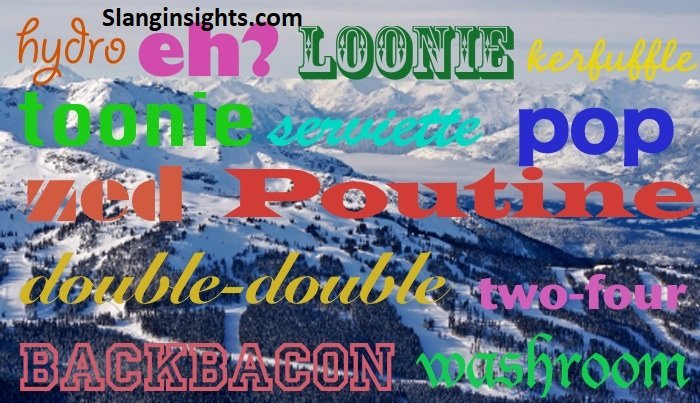
Common Mistakes People Make
Assuming “eh” is a joke or stereotype. It’s real, it’s practical, and mocking it will make you look like the tourist, not them.
Thinking Canadian English is just American English with different spelling. The slang diverges sharply in some areas, especially once you’re outside major cities.
Not knowing Tim Hortons orders. This is genuinely important social currency in many parts of Canada. If you’re being invited for a Timmies run, knowing the basic lingo (“double-double,” “Timbits” for the donut holes, “steeped tea”) shows you’ve done your homework.
Conflating Quebec French with France French. Quebecois French has its own slang, pronunciation, and expressions that are quite different from European French. Don’t tell a Quebecois that their French sounds weird — they know it’s different, and they’re proud of it.
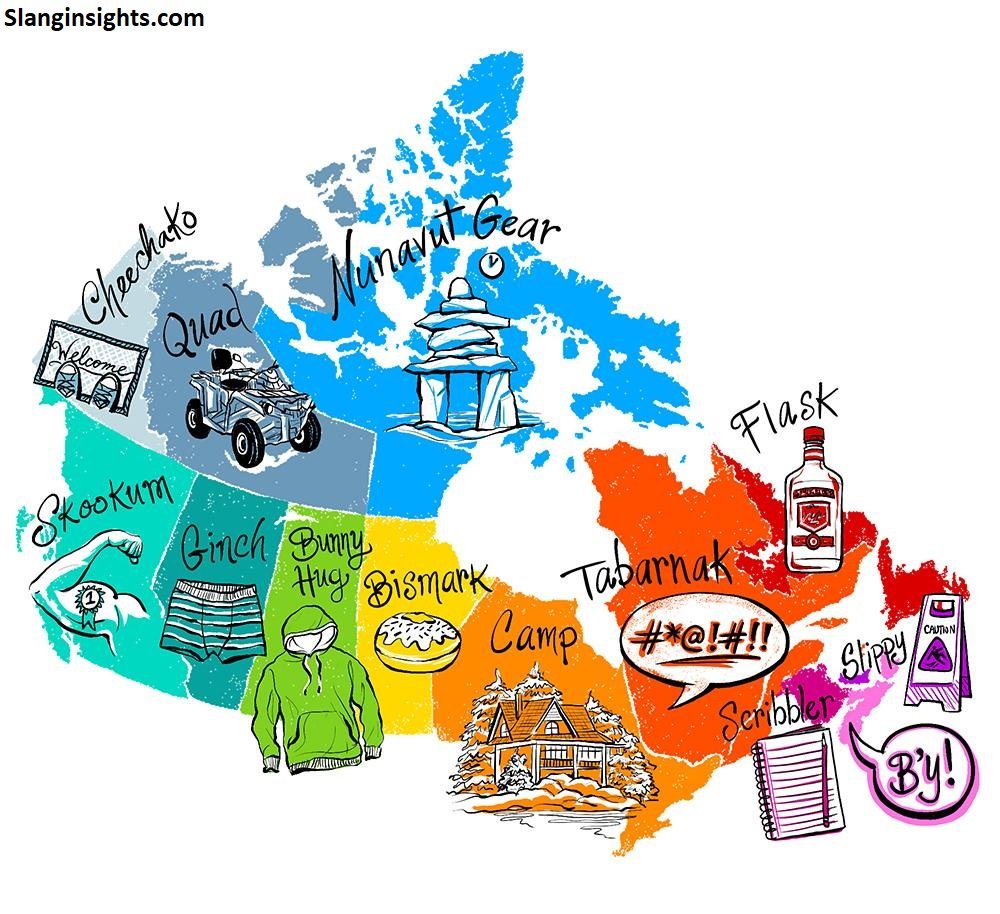
A Quick Reference: Canadian Slang at a Glance
Here are some more words worth knowing, rapid-fire:
- Poutine — Fries with cheese curds and gravy. Not slang exactly, but saying “that place has amazing poutine” is how you make friends.
- Two-four — A case of 24 beers. “Grabbing a two-four for the long weekend” is extremely Canadian.
- Rink rat — Someone who practically lives at the ice rink. Usually a compliment among hockey families.
- Beauty — An exclamation of approval. “He scored that goal — beauty!”
- Skookum — Mostly used in BC and the Yukon, borrowed from Chinook Jargon (Indigenous trade language). Means strong, excellent, or first-rate.
- Bunny hug — In Saskatchewan specifically, this is a hoodie. Nobody else in Canada uses this phrase and Saskatchewanians are absolutely committed to it.
- Washroom — Not bathroom, not restroom. Washroom. Ask for a bathroom and Canadians might give you a funny look (are you planning to bathe?).
FAQ’s
What does “eh” mean in Canadian slang?
“Eh” is perhaps the most iconic Canadian expression. It is added to the end of a sentence to seek agreement, confirmation, or simply to keep the conversation going. It is the equivalent of saying “right?” or “don’t you think?”
Is Canadian slang the same as American slang?
No. While Canadians and Americans both speak English, Canadian slang has its own unique words and expressions influenced by British English, French Canadian culture, and the country’s distinct way of life.
Can tourists use Canadian slang without sounding awkward?
Absolutely. Canadians are known for being friendly and welcoming. Using local slang is seen as a fun and respectful way to connect with locals rather than something to be embarrassed about.
What is the most commonly used Canadian slang word?
“Eh” is without a doubt the most frequently used. It appears in everyday conversation countless times and has become a globally recognized symbol of Canadian identity and culture.
Do different provinces in Canada have different slang?
Yes. Quebec has its own French-influenced slang, while Alberta, British Columbia, and the Maritime provinces all have regional expressions that differ quite a bit from one another.
Conclusion
Canadian slang is a fascinating reflection of the country’s unique identity — warm, humble, funny, and unmistakably its own. Canada is a vast and diverse nation, and its language reflects that beautifully.
From the hockey rinks of Ontario to the mountains of British Columbia and the fishing villages of Nova Scotia, every region has contributed something colorful to the Canadian vocabulary.
What makes Canadian slang so endearing is how effortlessly it blends into everyday conversation.
Saying “double-double” at Tim Hortons, calling your winter hat a “toque,” or dropping an “eh” at the end of a sentence feels completely natural to Canadians — but utterly charming to everyone else.
These words carry a sense of community, humor, and national pride that goes far beyond their simple definitions.
Learning Canadian slang also helps you appreciate the deeper cultural fabric of the country. It speaks to Canada’s love of hockey, its harsh but beautiful winters, its multicultural cities, and its reputation for politeness and good humor.
Whether you are a traveller planning your first visit, a new immigrant settling into Canadian life, or simply someone who loves language, picking up these expressions will make you feel right at home.
So grab a double-double, throw on your toque, and embrace the beauty of Canadian slang — it’s pretty great, eh!