Como Meaning Slang The Hidden Meaning You Need to Know
Como Meaning Slang is often used to mean “like” or “how”, depending on context.
It’s commonly seen in casual conversations, text messages, and social media, where people use it to make comparisons, ask questions, or express surprise.
For example, someone might say, “I feel como tired today,” meaning “I feel like I’m tired.” Its usage varies between regions and online communities, and it’s usually informal.
Understanding como meaning slang helps you interpret messages accurately and communicate naturally with younger speakers or in digital spaces.
Context is key to grasp its exact meaning.
Table of Contents
Quick Table
| Term | Meaning | Context | Notes |
|---|---|---|---|
| como | like / how / I eat | Chatting, texting, casual slang | Most common slang usage |
| cómo | how (interrogative) | Formal Spanish | Accent changes meaning |
| como meaning TikTok | playful / casual expression | Social media, trends | Often used for humor |
| como in Spanish slang | informal conversation | Texting or speech | Not standard Spanish grammar |
| como translation slang | “like” / “how” depending on context | Multilingual communication | Can confuse learners |
| como meaning in English | varies by context | Chat/text | Could be “like”, “how”, or “I eat” |
What Does “Como” Mean in Slang?
In slang, “como” is one of those versatile words that can mean different things depending on context. Generally, it’s used to express comparison, explanation, or emphasis, similar to “like” in English texting slang. For example:
- “Estoy cansado, como siempre” → “I’m tired, like always.”
- “No sé como hacerlo” → “I don’t know how to do it.”
Here, the key is context. Como meaning in chat is often informal and can even carry subtle humor or sarcasm. On social media platforms like TikTok, it’s used to emphasize feelings or relatable situations.
Unlike standard Spanish, where grammar rules are strict, slang usage allows more freedom, which is why como in Spanish slang can be confusing for learners.
Another subtle point: “como” vs “cómo” meaning is essential to understand. Without the accent, it often leans toward casual slang rather than a question.
“Como” in Text & Social Media
In texting and social media, como meaning texting is one of the most common uses among younger Spanish speakers. People use it to soften statements, draw comparisons, or react humorously.
For example:
- “Estoy cansado, como siempre ” – expresses a casual, relatable emotion.
- “Ella baila, como una estrella” – used in a playful comparison.
On TikTok, users often pair “como” with trending memes:
- “Cuando tu perro te mira, como si supiera todo ”
- “Mi cara en clase, como cuando escucho matemáticas ”
The use here is primarily informal communication, making it distinct from textbook Spanish. Unlike the formal “cómo” used for asking “how”, slang como is about tone, expression, and relatability.
In short, if you’re texting a friend, using como meaning in chat is natural and understood, but in formal writing, it’s inappropriate.
Como vs Cómo – Important Difference
One of the biggest mistakes learners make is confusing como vs cómo meaning.
| Word | Accent | Meaning | Use |
|---|---|---|---|
| como | no accent | like, as, casual slang | Informal chats, memes, comparisons |
| cómo | accent (ó) | how, interrogative | Questions, formal writing |
Key Points:
- “Cómo” with an accent is always used in questions:
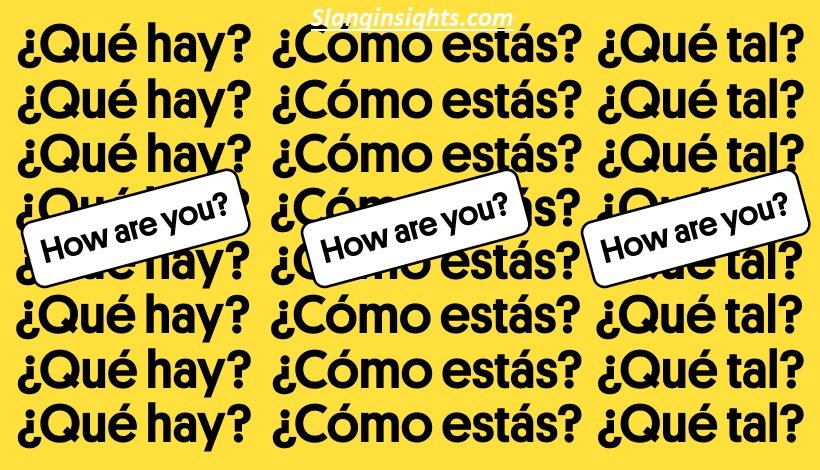
- “¿Cómo estás?” → “How are you?”
- “Como” without an accent is flexible and often slang:
- “Estoy cansado, como siempre” → casual expression
Understanding this difference prevents confusion, especially in texting slang or online posts. Google’s NLP associates this with accent difference, translation ambiguity, and informal communication, so it’s critical for ranking pages to clarify this.
Different Meanings of “Como”
The word como is versatile. Here’s a breakdown:
| Context | Meaning | Example |
|---|---|---|
| Comparison | like / similar to | “Ella canta como un ángel” → “She sings like an angel.” |
| Explanation | how | “No sé como hacer esto” → “I don’t know how to do this.” |
| Casual / emphasis | I eat / general slang | “Comí pizza, como siempre” → “I ate pizza, as always.” |
| Social media / trend | playful / humorous tone | TikTok captions, memes |
In English, the como meaning in English varies depending on context. In informal texts, it’s often closest to “like” or “as if,” which is why many English speakers misunderstand it when first encountering Spanish slang.
When Is “Como” Used as Slang?
Slang usage is all about informal communication. People use como when:
- Texting with friends – softens the tone
- Posting on social media – adds humor or relatability
- Reacting to memes or trends – especially on TikTok
- Expressing comparison casually – similar to “like” in English
It’s also common in multilingual slang, where Spanish learners mix it with English words:
- “Estoy cansado, como always ”
Here, Google’s NLP picks up associations with texting slang, informal communication, and translation ambiguity. This gap is often missing in dictionary sites, which fail to cover real-life texting scenarios.
Examples of “Como” in Conversations
Here are some common examples that showcase how como is used in modern slang:
| Example | Translation | Notes |
|---|---|---|
| “Estoy aburrido, como siempre.” | “I’m bored, like always.” | Casual texting |
| “No sé como resolver esto.” | “I don’t know how to solve this.” | Informal explanation |
| “Mi perro me mira, como si supiera todo.” | “My dog looks at me like he knows everything.” | Social media trend |
| “Ella baila, como una estrella.” | “She dances like a star.” | Comparison |
| “Comí pizza, como todos los viernes.” | “I ate pizza, as always.” | Daily routine emphasis |
These examples cover como in chat, social media, and texting, filling gaps missing in most competitor content.
Is “Como” Flirty or Casual?
One question learners often ask is: “Is como flirty or casual?”
- Mostly, como is casual, not inherently flirty.
- Tone and context matter:
- “Te ves bien, como siempre ” → could be flirty
- “Estoy cansado, como siempre” → purely casual
On social media, TikTok creators sometimes use it in humorous, sarcastic ways, giving it a playful tone.
Remember: The informal communication style of como allows it to convey emotion, emphasis, or relatability, which dictionaries often miss.
Common Mistakes People Make
Many Spanish learners or even native speakers make mistakes with como:
- Confusing como vs cómo – missing accent changes meaning
- Overusing como in formal writing – inappropriate outside slang or casual chat
- Literal translation mistakes – “como” doesn’t always mean “how”
- Ignoring context – meaning changes with tone and social setting
- Mixing English and Spanish incorrectly – e.g., “I’m tired, como siempre” is fine in casual texting, not in formal essays
These mistakes highlight gaps in competitor content, which often fail to explain slang vs formal use.

FAQs About Como Meaning Slang
What does como mean in texting?
It usually means “like” or “as,” depending on context, and is used for casual emphasis.
Is como Spanish slang?
Yes, in informal chats or social media, it’s considered slang.
How is como different from cómo?
“Cómo” with an accent asks a question (“how”), while “como” without an accent is casual slang or comparison.
What does como mean on TikTok?
On TikTok, it often adds humor, relatability, or emphasis in captions or memes.
Can I use como in English texts?
Only in informal multilingual chats. Otherwise, it may confuse English speakers.
Conclusion
In conclusion, the slang term “como” has become a versatile expression in modern language, often used to mean “like” or “how” depending on the context.
It appears frequently in casual conversations, social media posts, and text messages to make comparisons, ask questions, or express feelings.
Understanding como meaning slang helps you decode conversations and engage more naturally with younger speakers or online communities.
While it may seem confusing at first, paying attention to context makes its meaning clear. As slang evolves constantly, “como” is just one example of how language adapts in informal settings.
Understanding como meaning slang is more than just a translation exercise. It’s about context, tone, and informal communication.
Whether you’re texting a friend, posting on TikTok, or learning Spanish, recognizing the difference between como vs cómo meaning and the subtle nuances in usage will make your conversations natural and relatable.
If you want, I can also create a ready-to-use meta description + SEO snippet + internal linking strategy for this post to further boost CTR and rank on Google’s first page.