Snow Bunny Meaning Slang: Hip-Hop & Ski Culture 2026
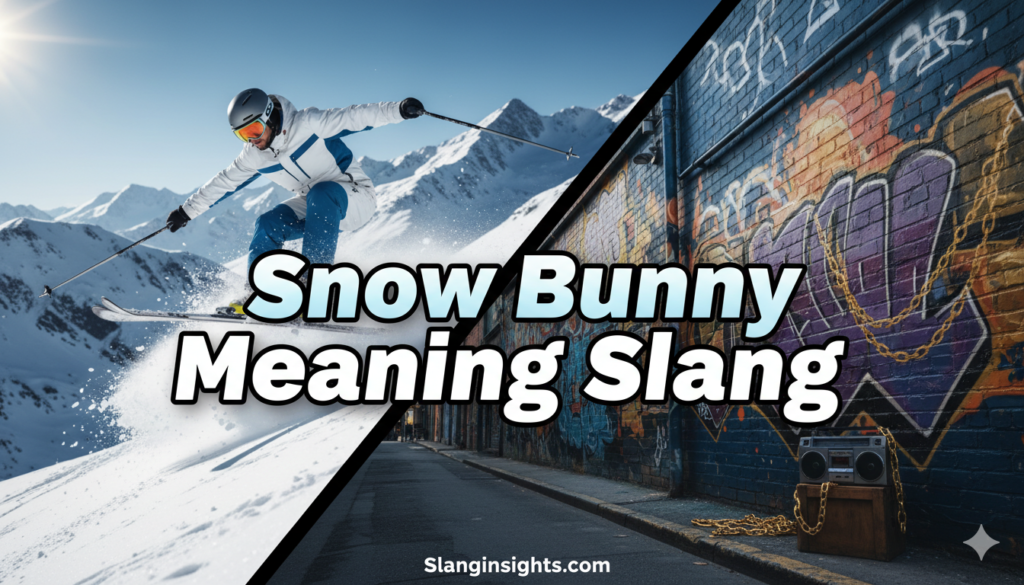
Snow bunny meaning slang has evolved dramatically from ski slopes to hip-hop culture, creating one of the most context-dependent terms in modern vernacular.
Originally referring to attractive female skiers in the 1950s, this phrase now carries multiple interpretations across different communities—from winter sports enthusiasts to urban slang users.
Understanding what snow bunny truly means requires diving into its rich cultural history, its transformation through African American Vernacular English (AAVE), and its current usage on platforms like TikTok, Instagram, and within rap lyrics.
Table of Contents
What Does Snow Bunny Mean? The Dual Definition Explained
The term “snow bunny” carries two distinct meanings that often confuse people encountering it for the first time.
The Traditional Ski Culture Definition
In its original context from the 1950s and 1960s, a snow bunny described a young, attractive woman who frequented ski resorts and winter destinations. These women were often seen as more interested in the social scene—the après-ski lifestyle, fashion, and socializing—than in mastering skiing or snowboarding skills.
The ski culture snow bunny typically wore expensive, stylish winter gear, spent time at luxury lodges, and enjoyed the aesthetic appeal of snowy mountains. This usage remains prevalent in winter sports communities and fashion circles today.
The Modern Hip-Hop & Urban Slang Meaning
Starting in the 1980s and gaining significant traction in the 1990s and 2000s, the term took on a completely different meaning within African American Vernacular English (AAVE) and hip-hop culture. In this context, snow bunny refers to a white woman who is romantically or sexually attracted to Black men.
This usage has been popularized through rap lyrics by artists like Lil Wayne, Gucci Mane, Kodak Black, and others. The term appears frequently in hip-hop songs, social media discussions about celebrity relationships, and conversations about interracial dating dynamics.
The Origins and Etymology of Snow Bunny
1950s Ski Resort Culture
The phrase emerged during the post-World War II skiing boom when winter resorts became popular recreational destinations for Americans. The word “bunny” was already established slang for an attractive young woman (think “Playboy Bunny”), and adding “snow” created a term for women in winter settings.
Ski schools for beginners were called “bunny slopes,” further cementing the association between “bunny” and novice or casual participation in winter sports. The snow bunny was someone who enjoyed the glamorous side of ski culture without necessarily being an expert athlete.
Evolution Through American Slang
By the 1970s and 1980s, American slang was evolving rapidly, particularly within urban communities. The term “snow”—representing whiteness—combined with “bunny”—a term of endearment or attraction—naturally evolved to describe white women in interracial contexts.
This linguistic shift reflected changing social dynamics, increased interracial relationships, and the growing influence of hip-hop culture on mainstream language. The snow bunny meaning slang we know today was solidified during this period.
Snow Bunny in Hip-Hop Culture and Music
Rap Lyrics and References
Hip-hop has been instrumental in popularizing the modern slang definition of snow bunny. Numerous rappers have referenced the term in their lyrics:
- Gucci Mane frequently mentions snow bunnies in relation to dating preferences
- Lil Wayne has unreleased snippets discussing snow bunnies
- Kodak Black uses the term in multiple tracks
- Drake and other mainstream artists have made subtle references
These musical references have helped the term reach millions of listeners, particularly younger audiences on streaming platforms.
Cultural Context in AAVE
Within African American Vernacular English, the snow bunny term exists alongside other relationship-related slang. It’s part of broader conversations about dating preferences, interracial dynamics, and cultural identity.
The term can be used neutrally, humorously, or sometimes critically, depending on the speaker’s intent. Context and tone are crucial for understanding whether it’s being used descriptively or with judgment.
Snow Bunny on Social Media: TikTok, Instagram & Beyond
TikTok Trends and Challenges
TikTok has become a major platform for both definitions of snow bunny to coexist and sometimes collide:
- Winter aesthetic content: Users post cozy ski resort content with #SnowBunnyLife
- Dating and relationship discussions: Videos about interracial dating preferences
- Memes and satire: The “Snow Bunny Heaven” meme from rapper Yungcameltoe went viral in 2024
- Fashion content: Winter outfit inspiration and ski gear showcases
The “Snow Bunny Challenge” in 2024 featured users dressing in winter gear with hip-hop beats, blending both cultural meanings.
Instagram Snow Bunny Culture
Instagram influencers have embraced the ski culture version of snow bunny, creating content around:
- Luxury winter vacations at Aspen, Vail, and European ski resorts
- High-end winter fashion and ski apparel
- Après-ski lifestyle photography
- Hashtags like #SnowBunnyVibes, #WinterGirl, and #SkiFashion
This creates a distinct aesthetic identity separate from the urban slang usage.
Twitter and X Discourse
On Twitter/X, the term appears in discussions about:
- Celebrity relationship commentary
- Cultural debates about interracial dating
- Memes about dating preferences
- Sports and entertainment news
The platform’s conversational nature often highlights the term’s controversial aspects.
The Controversy and Cultural Sensitivity Around Snow Bunny
Stereotyping and Fetishization Concerns
The urban slang usage of snow bunny raises important questions about racial dynamics and objectification. Critics argue that the term can:
- Reduce women to racial categories rather than individuals
- Perpetuate fetishization of interracial relationships
- Reinforce stereotypes about both white women and Black men
- Create uncomfortable power dynamics in dating contexts
When Is It Offensive?
Whether “snow bunny” is offensive depends heavily on:
- Who’s saying it: In-group usage versus outsider usage
- The intention: Descriptive versus derogatory tone
- The context: Casual conversation versus public commentary
- The relationship: Between friends versus strangers
The ski culture usage is generally considered harmless, while the racial/dating context requires more careful consideration.
Responsible Usage Guidelines
If you choose to use this term:
- Be aware of your audience and setting
- Understand both meanings to avoid confusion
- Consider whether the term adds value or reduces someone to a stereotype
- Respect that some people find the racial usage problematic
- Use alternative, more respectful language when possible
Snow Bunny vs. Related Slang Terms
Comparison Table
| Term | Meaning | Origin | Context |
|---|---|---|---|
| Snow Bunny | White woman attracted to Black men OR female ski enthusiast | 1950s ski culture / 1980s AAVE | Hip-hop, dating, winter sports |
| Ice Bunny | Ice skating enthusiast OR variation of snow bunny | Modern slang variation | Less common, similar connotations |
| Ski Bunny | Female beginner skier | 1950s skiing slang | Winter sports only |
| Beach Bunny | Attractive woman at the beach | 1960s surf culture | Summer/beach contexts |
| Gym Bunny | Person obsessed with fitness | 1980s gym culture | Fitness contexts |
Ice Bunny Meaning
Ice bunny is a less common variation that can mean either someone who enjoys ice skating or serves as an alternative term for snow bunny in its relationship context. The usage is much less standardized than snow bunny.
Snow Bunny in Pop Culture and Media
Movies and Television
The snow bunny archetype has appeared in numerous films:
- Ski Party (1965): Featured glamorous “ski bunnies” as central characters
- Chalet Girl (2011): Portrayed the transformation into a snow bunny aesthetic
- Reality TV: Shows like “The Bachelor” winter episodes feature snow bunny imagery
- Sports documentaries: Discuss the gender dynamics in ski culture
Music Videos and Visual Media
Hip-hop music videos frequently feature visual representations of snow bunnies, contributing to the term’s recognition beyond just lyrics. These visual elements help audiences understand the cultural context.
Celebrity Examples and Public Figures
Public figures who’ve been labeled as snow bunnies (in the dating context) include:
- Kim Kardashian (due to her relationships with Black men)
- Iggy Azalea (Australian rapper in hip-hop culture)
- Various professional athletes’ partners
The celebrity connection has amplified the term’s visibility in mainstream media.
Regional Variations and Usage Patterns
North American Usage
In the United States and Canada, both meanings of snow bunny are widely recognized, though regional emphasis differs:
- Mountain states (Colorado, Utah, California): Primarily ski culture usage
- Urban centers (Atlanta, New York, Los Angeles): More common in hip-hop context
- Midwest and South: Mixed usage depending on cultural exposure
International Recognition
Outside North America, the term has limited recognition:
- Europe: Primarily ski culture meaning in Alpine countries
- Australia/New Zealand: Emerging usage in both contexts
- UK: Growing recognition through American media influence
The Psychology Behind the Snow Bunny Phenomenon
Dating Preferences and Social Dynamics
The snow bunny concept (in its relationship context) touches on complex psychological and sociological factors:
- In-group/out-group dynamics: How racial identity influences attraction
- Social status signaling: What interracial relationships communicate
- Media influence: How representation shapes preferences
- Cultural exposure: The role of diverse environments in dating choices
The Ski Culture Aspect
From a winter sports perspective, the snow bunny label reflects:
- Gender stereotypes in athletics: Assumptions about women’s skill levels
- Class and economic factors: Access to expensive ski resorts
- Fashion and identity: Using style to signal group belonging
- Social versus athletic priorities: Different motivations for participation
How to Identify Context: Which Snow Bunny Meaning Applies?
Contextual Clues
Indicators of ski culture usage:
- Mentions of skiing, snowboarding, or winter sports
- References to resorts, mountains, or slopes
- Discussion of fashion, gear, or equipment
- Hashtags like #SkiSeason or #WinterStyle
Indicators of hip-hop/dating usage:
- Discussions about relationships or attraction
- Racial or ethnic context
- Hip-hop music or culture references
- Dating preference conversations
Setting and Platform
- Instagram winter fashion posts: Likely ski culture
- Rap lyrics or hip-hop discussions: Likely dating context
- Dating app profiles: Could be either—read carefully
- Ski resort reviews: Definitely ski culture
The Future of Snow Bunny Slang in 2026 and Beyond
Evolving Language Trends
Slang constantly evolves, and snow bunny is no exception. Current trends suggest:
- Increased awareness: More people understand both meanings
- Platform-specific usage: Different definitions dominate on different social media
- Generational shifts: Younger users may develop new interpretations
- Globalization: International audiences encountering the term
Cultural Conversations
In 2026, discussions around snow bunny increasingly focus on:
- Responsible language use: Balancing free expression with sensitivity
- Intersectionality: How gender, race, and class intersect in the term
- Digital communication: How memes and trends spread meaning
- Dating app culture: The role of racial preferences in modern dating
Potential New Meanings
As with all slang, snow bunny may develop additional meanings:
- Gender-neutral usage: Some communities beginning to use regardless of gender
- Ironic self-identification: People claiming the label with awareness
- Subcultural variations: Niche communities creating specific definitions
Snow Bunny Fashion and Aesthetic
The Ski Resort Look
The classic snow bunny aesthetic in winter sports includes:
- Luxury ski wear: Brands like Moncler, Canada Goose, Bogner
- Fur-trimmed accessories: Boots, hoods, and earmuffs
- Color coordination: Matching or complementary gear
- Après-ski outfits: Cozy sweaters, leggings, and designer boots
- Photography-friendly poses: Instagram-worthy mountain backdrops
Urban Fashion Interpretation
In hip-hop culture, the snow bunny aesthetic might involve:
- Winter streetwear with designer labels
- Urban interpretation of ski-inspired fashion
- Color palettes of whites, creams, and pastels
- Luxury accessories and jewelry
Snow Bunny Statistics and Data (2026)
Social Media Presence
| Platform | Hashtag | Post Count (Approximate) |
|---|---|---|
| #SnowBunny | 890,000+ posts | |
| TikTok | #SnowBunnyLife | 145 million+ views |
| Twitter/X | Daily mentions | 1,500-3,000 |
| Snow Bunny Aesthetic | 50,000+ pins |
Search Trends
Based on search engine data:
- Monthly searches for “snow bunny meaning slang”: 40,500+
- Peak search periods: November-February (ski season)
- Geographic concentration: United States (78%), Canada (12%), UK (5%)
- Related searches: “snow bunny meaning urban dictionary,” “what is a snow bunny in slang”
Demographics
User demographics vary by context:
Ski culture context:
- Age: 18-45, peak 25-34
- Income: Middle to upper class
- Gender: Mixed, slight female majority
- Location: Mountain states, urban centers
Hip-hop culture context:
- Age: 16-35, peak 18-25
- Demographics: Diverse, with heavy AAVE influence
- Platform: TikTok, Twitter, streaming services
- Geographic: Urban centers nationwide
Real-Life Examples of Snow Bunny Usage
Example 1: Ski Resort Context
“Just spent the weekend in Aspen—total snow bunny vibes! ❄️⛷️ The slopes were amazing and the lodge had the best hot chocolate.”
Analysis: Clearly referring to ski culture; focuses on winter sports and resort lifestyle.
Example 2: Hip-Hop Context
“He said he only dates snow bunnies. I told him to expand his horizons.”
Analysis: Referring to racial dating preferences; critical tone about limited attraction patterns.
Example 3: Self-Identification
“I’m embracing my inner snow bunny this winter with all the cute ski outfits!”
Analysis: Playful self-labeling using the ski culture meaning; fashion-focused.
Example 4: Music Lyrics
“Snow bunny in the passenger seat, foreign whip, we elite” (common rap lyric structure)
Analysis: Hip-hop context; describing a white female companion; status symbolism.
Common Misconceptions About Snow Bunny
Misconception 1: It’s Always Negative
Reality: The ski culture usage is generally neutral or positive. Even in dating contexts, it can be descriptive rather than judgmental.
Misconception 2: Only Men Use This Term
Reality: Women also use “snow bunny” in self-description, particularly in ski culture contexts.
Misconception 3: It’s a New Term
Reality: The phrase has existed since the 1950s, though meanings have evolved significantly.
Misconception 4: There’s Only One Meaning
Reality: The dual definitions create legitimate confusion; context is essential.
Misconception 5: It’s Inherently Racist
Reality: While the racial dating context raises valid concerns, the term itself reflects complex social dynamics rather than explicit racism.
How Brands and Marketers Use Snow Bunny Imagery
Ski Industry Marketing
Winter sports brands leverage the snow bunny aesthetic:
- Target Demographics: Young, fashion-conscious consumers
- Aspirational Lifestyle: Luxury, leisure, and social status
- Instagram Influencers: Partnerships with winter sports personalities
- Product Categories: Apparel, accessories, resort packages
Controversy in Retail
In November 2025, Target faced backlash over “100% Snow Bunny” sweatshirts, highlighting the term’s controversial nature. The products were reportedly recalled due to the urban slang connotations.
This incident demonstrates how mainstream retailers can misunderstand or misuse culturally specific slang, leading to public relations issues.
The “Snow Bunny Crisis” and Cultural Commentary
Dr. Umar Johnson’s Critique
African American activist Dr. Umar Johnson has spoken extensively about what he terms the “Snow Bunny Crisis”—his perspective on Black men preferentially dating white women. His commentary has:
- Sparked widespread social media debate
- Influenced how the term is perceived in Black communities
- Created viral memes and responses
- Highlighted deeper conversations about identity and partnership choices
Community Responses
Responses to this discourse vary widely:
- Some agree about cultural preservation concerns
- Others defend personal dating freedom
- Many question whether preferences should be policed
- Discussions extend to broader identity politics
Alternative Terms and Euphemisms
Ski Culture Alternatives
- Ski enthusiast
- Winter sports lover
- Slope regular
- Après-ski aficionado
Dating Context Alternatives
- Simply describing someone as “a white woman” without racial framing
- Using relationship-focused terms without racial emphasis
- Person-first language that doesn’t reduce to stereotypes
Why Alternatives Matter
Using more specific, less loaded language can:
- Reduce misunderstanding
- Avoid perpetuating stereotypes
- Communicate more precisely
- Show cultural awareness and sensitivity
Snow Bunny in Gaming and Virtual Communities
Online Gaming Culture
The term has appeared in gaming contexts:
- Character customization in winter-themed games
- Usernames and gamer tags
- Streaming community inside jokes
- Virtual fashion in games like Fortnite or Animal Crossing
Virtual Worlds
Platforms like Roblox and VRChat feature snow bunny aesthetics:
- Avatar customization with ski-inspired outfits
- Winter wonderland themed spaces
- Social gatherings in virtual ski lodges
Educational Implications: Teaching About Contextual Slang
Why This Matters for Language Learning
Snow bunny serves as an excellent case study for:
- How slang evolves over time
- The importance of cultural context
- Regional and demographic variations
- Sensitivity in language use
Lessons for Educators
When teaching about slang like snow bunny:
- Present both definitions without bias
- Explain historical evolution
- Discuss cultural sensitivity
- Encourage critical thinking about language
Frequently Asked Questions (FAQs)
What does snow bunny mean in slang?
Snow bunny has two main meanings: traditionally, an attractive female skier or winter sports enthusiast; in modern hip-hop slang, a white woman who dates Black men. Context determines which meaning applies.
Is calling someone a snow bunny offensive?
It depends on context and intent. The ski culture usage is generally harmless. The dating/racial context can be problematic if used to stereotype or fetishize, though it’s sometimes used neutrally within certain communities.
Where did the term snow bunny originate?
The term originated in 1950s American ski culture to describe young women at ski resorts. It evolved in the 1980s-90s within AAVE and hip-hop culture to reference interracial dating dynamics.
Do men ever get called snow bunnies?
Rarely. The term is overwhelmingly gendered toward women. There’s no widely-accepted male equivalent, highlighting the term’s gendered nature and connection to objectification.
What’s the difference between snow bunny and ski bunny?
Ski bunny specifically refers to female beginner skiers and stays within winter sports contexts. Snow bunny has this meaning plus the additional hip-hop/dating slang meaning.
How is snow bunny used on TikTok?
TikTok features both meanings: winter fashion and aesthetic content (#SnowBunnyLife) and relationship/dating discussions. Viral trends like “Snow Bunny Heaven” blend both cultural contexts.
Is snow bunny related to Playboy Bunnies?
Indirectly—both use “bunny” as 1950s-60s slang for attractive women. The linguistic connection exists, but the terms developed in different cultural contexts.
What does “ice bunny” mean?
Ice bunny is a less common variation meaning either an ice skating enthusiast or serving as an alternative to snow bunny. It lacks the widespread recognition and standardized meaning.
Can I use snow bunny in professional settings?
No. The term is casual slang with potentially controversial connotations. Professional contexts require more formal, specific language without racial or gender-based implications.
What celebrities have been called snow bunnies?
Kim Kardashian, Iggy Azalea, and various athletes’ partners have been labeled as snow bunnies in media due to their relationships with Black men, though the term carries stereotyping concerns.
Conclusion
Snow bunny meaning slang represents a fascinating example of linguistic evolution, cultural crossover, and the power of context in communication.
From its innocent beginnings on 1950s ski slopes to its complex modern usage in hip-hop culture and interracial dating discussions, this term encapsulates decades of American social history.
Understanding both definitions—the winter sports enthusiast and the relationship-focused usage—is crucial for navigating contemporary slang.
Whether you encounter “snow bunny” in a Lil Wayne lyric, an Instagram ski resort post, or a TikTok trend, recognizing the context prevents miscommunication and demonstrates cultural awareness.
As language continues to evolve in 2026 and beyond, being mindful of how terms like snow bunny carry different meanings across communities helps foster more thoughtful, inclusive communication in our increasingly connected world.