Sybau Meaning Slang Guide — Gen Z Online Term 2026
Sybau meaning slang has taken the internet by storm, becoming one of the most controversial Gen Z acronyms of 2026. If you’ve seen “SYBAU” flooding TikTok comments, Twitter threads, or your teen’s text messages, you’re not alone in wondering what this cryptic term means.
This acronym represents more than just another internet phrase—it’s a cultural phenomenon that’s sparked conversations about online communication, generational language gaps, and digital etiquette.
Understanding SYBAU is essential for parents, educators, and anyone navigating today’s social media landscape.
Table of Contents
What Does SYBAU Stand For?
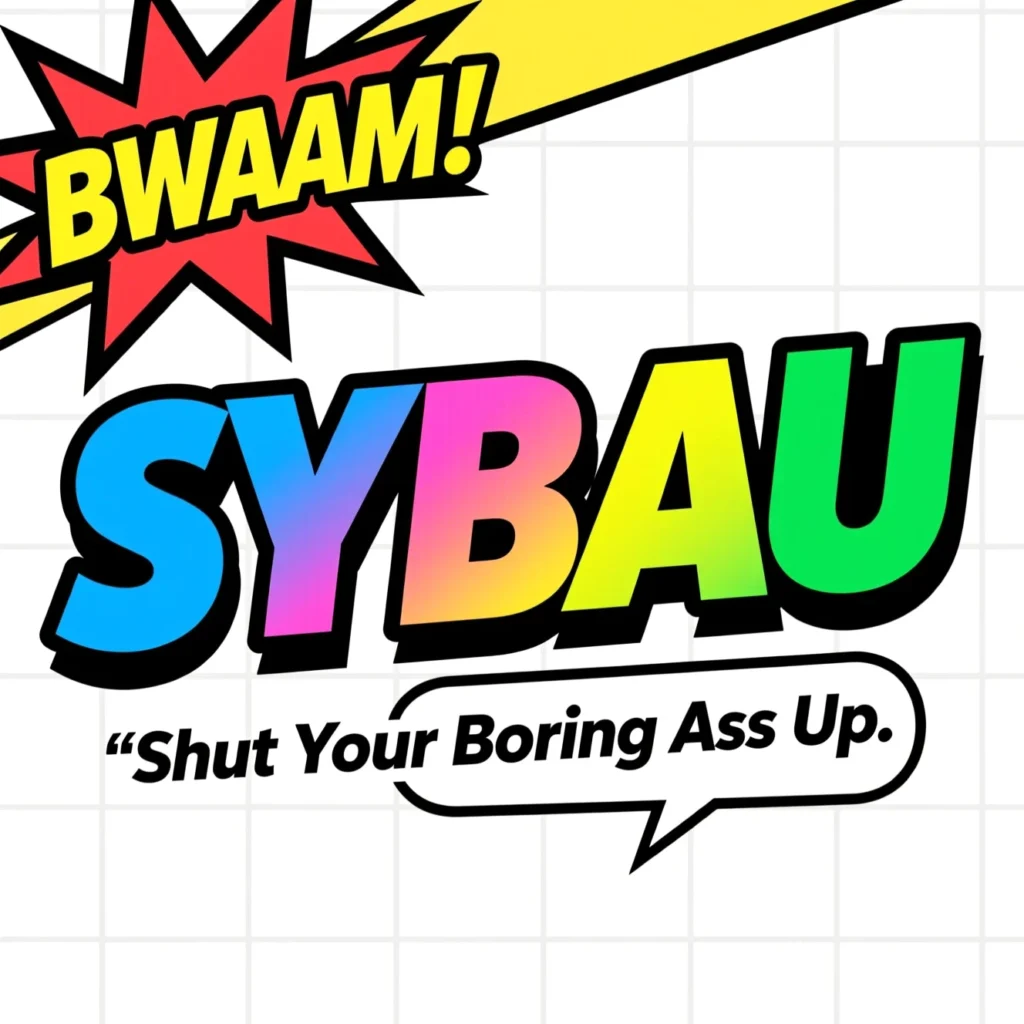
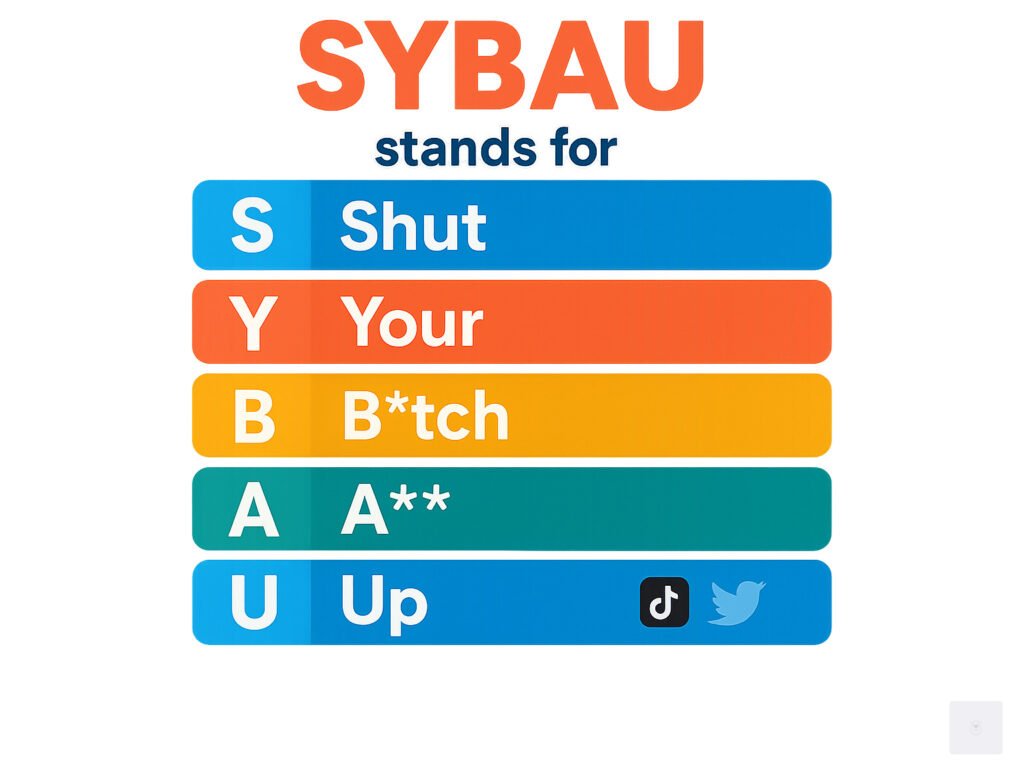
SYBAU is an internet acronym that stands for “Shut Your B*tch A** Up.” This aggressive phrase has become a popular way for Gen Z to dismiss someone’s opinion or tell them to stop talking in online spaces.
The term originated in the early 2000s, with evidence dating back to at least 2003 on Urban Dictionary. However, it experienced a massive resurgence in 2025-2026, particularly on TikTok and Twitter/X platforms.
The Real Definition vs. What Kids Tell Parents
Many teenagers deliberately mislead adults about SYBAU’s true meaning. When questioned by parents or teachers, kids commonly claim it means “Stay Young, Beautiful, and Unique” or “Stay Young, Beautiful, and Unstoppable.”
This intentional misdirection has created a secret language among Gen Z. They enjoy having an inside joke that adults don’t understand, making SYBAU even more popular among young users.
The actual meaning is much harsher than these fabricated definitions. It’s a dismissive, often confrontational response designed to shut down conversations or express frustration.
How SYBAU Is Used on Social Media
SYBAU appears most frequently in TikTok comment sections, Twitter replies, and Discord servers. Users deploy it when they disagree with someone’s opinion or want to express annoyance quickly.
On TikTok, the acronym often appears in response to controversial takes or unpopular opinions. A content creator might post about a divisive topic, and comments flood in with “SYBAU” as a shorthand dismissal.
Twitter/X users particularly embraced SYBAU during Love Island USA discussions in 2025. Fans would tell others to “SYBAU” when spoilers were shared or unpopular contestants were defended.
Gaming communities on Discord and Roblox have reported widespread use of the term. Players use it during heated exchanges or trash-talk sessions, bypassing content filters that block traditional profanity.
Why SYBAU Became So Popular
The term’s popularity stems from several factors that resonate with Gen Z communication styles. Its brevity makes it perfect for fast-paced online interactions where quick responses are valued.
SYBAU bypasses many automated content moderation systems. Platforms that filter explicit language often miss acronyms, allowing users to express harsh sentiments without triggering censorship.
The exclusivity factor plays a significant role. Knowing what SYBAU means signals you’re “in the know” about current internet culture, while confusion marks you as an outsider or “unc” (uncle—Gen Z slang for someone old or out of touch).
Social media algorithms favor engagement, and controversial content generates responses. SYBAU creates reactions, whether positive or negative, increasing visibility for posts and comments.
SYBAU Pronunciation Guide
Gen Z pronounces SYBAU in multiple ways, with no single “correct” version. The most common pronunciations include “see-bow,” “sigh-bow,” and “sea-brow.”
Some users pronounce each letter individually: “S-Y-B-A-U.” This method is less common but appears in longer content like YouTube videos or podcasts.
Regional variations exist, with different friend groups developing their own preferred pronunciation. The flexibility in pronunciation adds to the term’s appeal and adaptability.
The Origin Story of SYBAU
SYBAU has existed in internet vernacular for over two decades. Early forum users and message board communities used similar aggressive acronyms to establish dominance in online arguments.
The term remained relatively niche until 2025, when TikTok creator Brian (@brianbeepboop) posted a viral video asking what SYBAU meant. The post received over 60 million views, with Gen Z users flooding comments to protect the “secret” meaning.
Following this viral moment, SYBAU spread rapidly across platforms. Celebrities, influencers, and everyday users began incorporating it into their online vocabulary.
Merriam-Webster officially acknowledged SYBAU in November 2025, describing it as “an angrier way to say ‘shut up’ online.” This recognition from a major dictionary legitimized the term’s cultural significance.
Where You’ll Find SYBAU Being Used
TikTok comment sections remain the primary habitat for SYBAU. Users deploy it under videos discussing controversial topics, celebrity gossip, or unpopular opinions.
Twitter/X threads see frequent SYBAU usage, especially in fandoms and stan culture. Fans defending their favorite celebrities use it to dismiss critics or trolls.
Instagram Stories and direct messages contain SYBAU exchanges between friends. While often used playfully in private conversations, the tone can quickly shift to genuine hostility.
Snapchat messages among teenagers feature SYBAU as a quick dismissal. The ephemeral nature of Snapchat makes it easier for teens to use aggressive language without permanent records.
SYBAU in Different Contexts
Among close friends, SYBAU often functions as playful banter. Friends might use it jokingly after a good-natured roast or exaggerated complaint, usually accompanied by laughing emojis.
In public comment sections, SYBAU takes on a more aggressive tone. Strangers use it to attack opposing viewpoints or silence discussions they disagree with.
Parent-teen communications sometimes include SYBAU, with teenagers using the coded language to express frustration without parents understanding. Many teens have told parents to “SYBAU” thinking they won’t discover the real meaning.
Why Parents and Educators Should Care
SYBAU represents more than just another slang term. Its usage encourages deception, as children actively lie about its meaning to adults.
The acronym normalizes aggressive communication styles. Regular use of dismissive language can impact how young people handle disagreements and conflicts.
Cyberbullying concerns arise when SYBAU is used to silence or attack other users. What starts as a joke can escalate into genuine harassment.
Content moderation becomes challenging when terms like SYBAU slip through filters. Schools and online platforms struggle to identify and address this coded language.
How to Respond If Your Teen Uses SYBAU
Start with curiosity rather than confrontation. Ask open-ended questions about where they first heard the term and who uses it in their social circle.
Discuss the impact of words on others. Help teens understand that even acronyms carry weight and can hurt people’s feelings or damage relationships.
Explain perspective-taking by asking how they’d feel receiving this message from someone. Teachers, authority figures, or even friends might genuinely feel disrespected.
Offer alternatives by introducing harmless slang that allows self-expression without aggression. Terms like “cap” (lying) or “mid” (mediocre) convey opinions without attacking others.
Set clear boundaries about respectful communication. Make it known that using SYBAU toward family members or authority figures has consequences.
SYBAU vs. Other Gen Z Acronyms
STFU (Shut The F*** Up) serves a similar function but lacks the coded secrecy of SYBAU. It’s more immediately recognized as profane by adults and filters.
IYKYK (If You Know, You Know) creates exclusivity without aggression. It signals inside jokes without attacking others who don’t understand.
NPC (Non-Player Character) dismisses people as unimportant but focuses on irrelevance rather than commanding silence.
FR (For Real) and OOMF (One Of My Followers) represent neutral Gen Z acronyms that facilitate communication without hostility.
The Cultural Impact of SYBAU
SYBAU exemplifies generational communication divides. The intentional exclusion of adults from understanding creates an “us vs. them” dynamic between Gen Z and older generations.
Language evolution accelerates in digital spaces. What once took decades to develop now spreads globally in weeks, creating rapid shifts in how young people communicate.
Meme culture drives linguistic innovation. SYBAU’s spread through viral videos and social media posts demonstrates how internet culture shapes modern language.
Platform-Specific SYBAU Usage
TikTok remains SYBAU’s primary ecosystem. Videos explaining the term while protecting its “secret” from adults have collectively gained hundreds of millions of views.
Twitter/X users weaponize SYBAU in stan wars and fandom disputes. K-pop fans, Love Island devotees, and sports enthusiasts frequently deploy it against rival fandoms.
Discord servers and gaming platforms see SYBAU in competitive contexts. Players use it during trash talk, though many gaming communities have started banning the term.
Roblox developers reported SYBAU bypassing chat filters, leading to abuse reports. The platform has since added variations of SYBAU to its banned words list.
The Psychology Behind SYBAU
Teens seek autonomy and identity formation through language. Creating and maintaining secret codes helps them establish independence from adult authority.
Online disinhibition effect makes people more aggressive digitally. The anonymity and distance of internet communication emboldens users to say things they wouldn’t in person.
Peer approval drives language adoption. Using current slang signals group membership and social awareness, making terms like SYBAU socially valuable among peers.
When SYBAU Crosses the Line
Playful usage between friends maintains relationship health. Context clues like emojis, tone, and established friendship dynamics determine appropriateness.
Aggressive deployment toward strangers constitutes cyberbullying. Using SYBAU to silence legitimate concerns or criticism creates hostile online environments.
Authority figure targets raise serious concerns. Directing SYBAU at parents, teachers, or other adults demonstrates disrespect and warrants intervention.
Teaching Digital Citizenship Around SYBAU
Help young people recognize that online words have real-world consequences. Digital footprints persist, and aggressive language can affect future opportunities.
Encourage empathy by discussing how receiving dismissive messages feels. Role-playing exercises help teens understand different perspectives.
Model respectful disagreement by showing how to express opposing views without attacking others. Teach that criticism and silencing are different things.
The Future of SYBAU
Slang terms typically have short lifespans. SYBAU may fade as newer acronyms emerge, though its current popularity suggests staying power.
Platform moderation will likely evolve. As awareness grows, content filters will adapt to catch SYBAU and similar coded language.
Generational pushback often redirects language trends. Gen Alpha may reject SYBAU as “cringey” millennial/Gen Z speak, developing their own exclusive terms.
Related Gen Z Slang Terms
Understanding SYBAU requires context within broader Gen Z language. “Unc” (uncle) describes older, out-of-touch people who don’t understand current trends.
“Bussin” means something is really good, particularly food. “No cap” signifies telling the truth, while “cap” means lying.
“Rizz” refers to charisma or flirting ability. “Slay” means performing excellently, and “ate” indicates doing something perfectly.
How Brands and Marketers View SYBAU
Companies avoid using aggressive slang like SYBAU. Brand voice guidelines typically exclude confrontational language that could alienate audiences.
Social media managers monitor SYBAU usage to understand audience sentiment. Negative deployment of the term signals content that’s resonating poorly.
Influencer partnerships require language awareness. Brands ensure sponsored content avoids controversial slang that might damage reputation.
International Variations of SYBAU
English-speaking countries outside the US have adopted SYBAU with similar usage patterns. UK, Australian, and Canadian teens use the term in identical contexts.
Non-English speakers sometimes encounter SYBAU in international social media spaces. The acronym’s English origin limits its usage in non-Anglophone communities.
Translation challenges arise when SYBAU appears in multilingual content. The specific aggressive tone doesn’t always translate directly into other languages.
SYBAU in Popular Media
TikTok creators have built entire content series explaining and protecting SYBAU’s meaning. These videos generate millions of views and reinforce the term’s exclusivity.
Podcast discussions about Gen Z language frequently mention SYBAU. Shows targeting parents and educators explain the term’s significance and usage patterns.
News outlets have covered SYBAU’s spread. Articles in Parents Magazine, Yahoo Lifestyle, and education websites alert adults to the acronym’s real meaning.
Technical Aspects of SYBAU Spread
Social media algorithms amplify controversial content. Posts containing SYBAU often generate high engagement, increasing their visibility.
Hashtag trends spread SYBAU awareness. Tags like #SYBAU and #GenZSlang expose millions to the term, accelerating its adoption.
Cross-platform sharing creates unified language trends. What starts on TikTok quickly migrates to Twitter, Instagram, and YouTube, creating consistent usage patterns.
The Deception Element of SYBAU
Coordinated lying about SYBAU’s meaning demonstrates Gen Z’s digital literacy. Young users collectively maintain the false “Stay Young, Beautiful, and Unique” narrative.
Comment sections reveal this coordination. When adults ask about SYBAU, users flood replies with the fake definition, often telling others not to “blow the secret.”
This deception strategy extends to other controversial slang. SYBAU established a template for how Gen Z can maintain linguistic exclusivity through organized misdirection.
Frequently Asked Questions About SYBAU
What does SYBAU actually mean?
SYBAU stands for “Shut Your B*tch A** Up,” an aggressive internet acronym used primarily by Gen Z to dismiss or silence someone’s opinion online.
Why do kids lie about SYBAU’s meaning?
Teenagers deliberately tell adults it means “Stay Young, Beautiful, and Unique” to maintain an inside joke and keep their coded language exclusive from parents and authority figures.
Is SYBAU appropriate for kids to use?
SYBAU is considered disrespectful and aggressive language. While it may seem harmless among friends, it promotes dismissive communication styles and encourages deception toward adults.
Where did SYBAU originate?
SYBAU has existed since at least 2003 on Urban Dictionary but gained massive popularity in 2025-2026 through viral TikTok videos and widespread social media adoption.
How do you pronounce SYBAU?
Common pronunciations include “see-bow,” “sigh-bow,” or “sea-brow,” though some people say each letter individually. There’s no single correct pronunciation.
On which platforms is SYBAU most popular?
SYBAU appears most frequently on TikTok, Twitter/X, Discord, and in text messages. Gaming platforms like Roblox also see significant usage despite moderation efforts.
Can SYBAU get past content filters?
Yes, acronyms like SYBAU often bypass automated content moderation systems that filter explicit language, which contributes to its popularity among young users.
What should parents do if they see their child using SYBAU?
Have a calm conversation asking where they learned it, discuss respectful communication, help them understand others’ perspectives, and set clear boundaries about appropriate language.
Is SYBAU considered cyberbullying?
SYBAU can constitute cyberbullying when used aggressively to silence, attack, or harass others, especially strangers or those expressing legitimate concerns.
Will SYBAU remain popular in the future?
Slang terms typically have short lifespans as new phrases emerge. SYBAU may fade as Gen Alpha develops their own exclusive language or as platforms improve content moderation.
Conclusion
Sybau meaning slang represents a fascinating intersection of digital culture, generational communication, and linguistic evolution in 2026.
This acronym—standing for “Shut Your B*tch A** Up”—has transcended its original purpose to become a symbol of Gen Z’s desire for exclusive online spaces and coded language that adults can’t easily decode.
While the term often functions as playful banter among friends, its aggressive nature and association with deception raise legitimate concerns for parents, educators, and digital citizenship advocates.