Torta Meaning Slang & Why It’s Trending on TikTok 2026
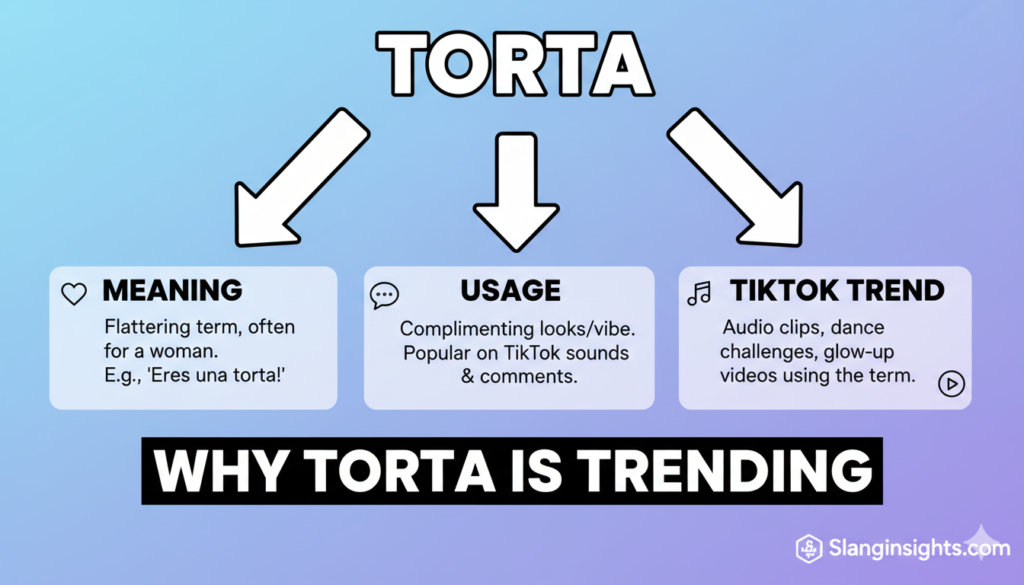
Torta meaning slang has become one of the hottest search terms across TikTok, Instagram, and Twitter in 2026.
If you’ve scrolled through your feed and seen someone refer to a “torta girl” or heard the term “torta” being thrown around in memes, you’re probably wondering what it really means.
This Mexican slang term has evolved from humble sandwich origins into a viral cultural phenomenon that’s sparking conversations about body positivity, Latina identity, and internet culture.
Table of Contents
What Does Torta Mean in Slang?
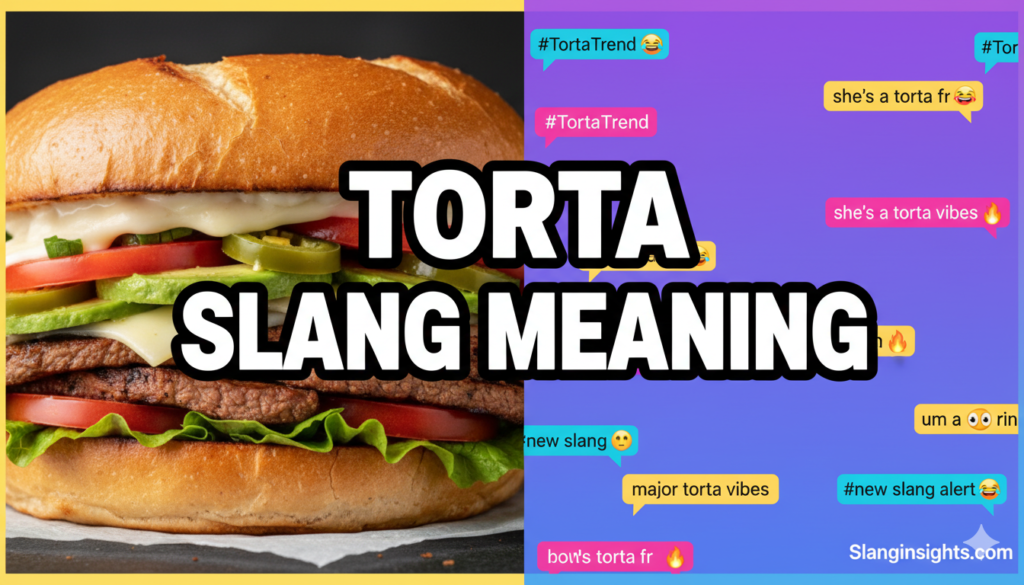
Torta meaning slang refers to internet terminology used primarily to describe a curvy or fuller-figured Latina woman, particularly within Mexican and Chicano communities. The term draws its name from the traditional Mexican torta sandwich—a hearty, layered creation stuffed with meat, beans, cheese, avocado, and other delicious fillings.
Just like the sandwich is thick, full, and satisfying, the slang usage playfully describes someone with a curvier body type. However, the context and intent behind using this word matter significantly.
The Literal vs. Slang Meaning
Understanding the difference between literal and slang definitions is crucial. In traditional Spanish, “torta” has multiple meanings depending on the region.
| Region | Literal Meaning |
|---|---|
| Mexico | Sandwich (made with bolillo or telera bread) |
| Spain | Cake or slap/hit |
| Argentina/Uruguay | Cake (often layered) |
| Philippines | Type of omelette |
When used as slang, torta takes on an entirely different meaning. It typically refers to a woman who is overweight, curvy, or has a fuller figure. The comparison to the sandwich suggests someone who is “thick,” “stacked,” or “well-built.”
Etymology: Where Did Torta Slang Come From?
The torta slang term has roots dating back to the early 2000s in Mexican-American communities. According to Urban Dictionary entries from 2003, the term was initially used disparagingly to describe overweight Latina women.
The metaphorical leap from food to body description makes sense in cultural context. Mexican tortas are known for being:
- Thick and hearty
- Layered with multiple ingredients
- Satisfying and filling
- Round in shape
These characteristics were applied to describe women’s body types, often in a teasing or mocking way. The term spread through Chicano communities in Los Angeles, San Antonio, and other cities with large Hispanic populations.
Evolution Through the Years
The evolution of torta slang shows how language adapts through generations and social movements.
- Early 2000s: Used primarily as an insult or body-shaming term in Latino communities. The word carried negative connotations and was meant to criticize women who didn’t fit narrow beauty standards.
- 2010s: The term continued to be used informally but began appearing in hip-hop lyrics and barrio humor. It was still largely considered disrespectful when used by outsiders.
- 2020-2023: TikTok explosion began. The term gained mainstream visibility as Latina creators started discussing it openly, sometimes reclaiming it and sometimes calling out its problematic use.
- 2024-2026: Full reclamation era. The torta girl movement emerges, transforming the term from an insult into a badge of pride celebrating curves, confidence, and Latina identity.
Why Is Torta Trending on TikTok in 2026?
Torta slang is absolutely dominating TikTok in 2026, and several factors contribute to its viral status.
The Reclamation Movement
The biggest reason torta is trending is the powerful reclamation movement led by Latina women. What was once used to shame is now being proudly embraced. Women are posting videos declaring “I’m a torta and I’m proud,” celebrating their curves and rejecting Eurocentric beauty standards.
This mirrors historical reclamation of other terms that communities have taken back and redefined on their own terms. The hashtag #tortagirl has generated millions of views as women share their experiences, styles, and confidence.
The Edgar Connection
Another factor driving the trend is the pairing with the “Edgar” meme. Edgar refers to Latino men with a specific bowl-cut fade hairstyle that went viral around the same time. The internet created a whole cultural narrative around “Edgar and his torta girlfriend,” which became a humorous stereotype.
These paired memes created perfect content for comedy skits, relationship jokes, and cultural commentary. Videos showing “POV: You’re Edgar’s torta” or “When you realize you’re a torta girl” gained massive traction.
Body Positivity and Representation
The torta girl aesthetic aligns perfectly with the broader body positivity movement happening across social media. In 2026, there’s been a significant shift toward celebrating diverse body types, and the torta movement is part of that cultural change.
Latina women are using the term to push back against years of being told they need to be thin to be beautiful. The movement celebrates curves, thickness, and fuller figures as attractive and worthy of representation.
Viral TikTok Moments
Several viral TikTok videos propelled torta slang into mainstream consciousness. Key moments include:
- @cbreezyofficial_ posted a POV video about “pounding your first torta” that gained 1.4 million likes. The humorous take on dating preferences sparked countless response videos.
- @lilliana8893 posted “I’m not a torta, I’m a pan dulce” (sweet bread), distinguishing between different body types in a playful way. This video received 1.1 million likes and created a new sub-conversation about body type categories.
- @naomiheartsxo created content titled “A torta for a torta” showing shopping experiences as a plus-size woman, normalizing the term in everyday contexts.
These videos didn’t just go viral—they started conversations, spawned trends, and helped redefine how the term is understood and used.
The Torta Girl Aesthetic: What Does It Look Like?
The torta girl aesthetic has become a recognizable style within Latina fashion and beauty culture. It combines elements of traditional Chicana style with modern influencer trends.
Physical Characteristics
While torta originally referred to body type, the “torta girl” identity encompasses more than just physical appearance. However, common physical traits associated with the aesthetic include:
- Curvy or fuller figure
- Hourglass or pear-shaped body
- Confidence in plus-size fashion
- Embracing thickness rather than hiding it
Fashion and Style
Torta girl fashion is bold, unapologetic, and often includes:
Clothing Choices:
- Form-fitting jeans or leggings that show curves
- Crop tops or fitted shirts
- Animal print (especially leopard)
- Gold jewelry and accessories
- Designer-inspired fashion
- Athleisure that emphasizes curves
Beauty Standards:
- Dark lip liner with lighter gloss (signature Latina beauty look)
- Sharp winged eyeliner
- Perfectly shaped eyebrows
- Long acrylic nails (often decorated)
- Large hoop earrings
- Dramatic makeup looks
Attitude and Personality
The torta girl identity is as much about attitude as appearance. Common personality traits include:
- Unapologetic confidence
- No-nonsense demeanor
- Strong family values
- Fierce loyalty to friends
- Not afraid to speak their mind
- Comfortable with their body
- Proud of their culture
Regional Variations in Torta Slang
Torta slang isn’t universally understood the same way across all Spanish-speaking regions. Understanding these variations prevents cultural misunderstandings.
Mexico
In Mexico, torta slang is most commonly used and understood. It typically means:
- A woman who is plump or curvy
- Someone who is “soft” like a sandwich
- Occasionally used in sexual innuendo among youth
- Can be teasing between friends or insulting from strangers
The Mexican usage has the most direct connection to the sandwich metaphor, and it’s where the slang originated.
Other Latin American Countries
- Argentina and Chile: The term “torta” in these countries can actually mean lesbian in slang (completely different from the Mexican usage). In standard Spanish here, torta means cake. Using Mexican slang here could cause serious confusion.
- Puerto Rico: Less commonly used. When discussing body types, different terminology is preferred. Using torta here might require explanation.
- United States Hispanic Communities: Mexican-Americans and Chicanos use the term most frequently, particularly in California, Texas, and the Southwest. The meaning follows Mexican usage but has been influenced by American body positivity movements.
Context Matters Everywhere
Regardless of region, context determines whether torta is affectionate, neutral, or offensive:
| Context | Interpretation |
|---|---|
| Between friends of same community | Usually playful teasing |
| From strangers or outsiders | Often considered disrespectful |
| Self-referential | Empowering reclamation |
| In memes with humor | Generally acceptable |
| Used to mock or shame | Definitely offensive |
Examples of Torta Slang in Use
Understanding how torta appears in real conversations helps clarify appropriate usage.
Social Media Examples
Example 1: Self-Empowerment “Just got called a torta at the mall… okay and? I look amazing in these jeans 💅 #tortagirl #bodypositive” This shows reclamation—owning the term proudly.
Example 2: Relationship Humor “When your Edgar boyfriend loves his torta girlfriend 😍 #couplegoals #latino #tortaandedgar” Using the terms together in a humorous, affectionate way.
Example 3: Cultural Commentary “Not everyone using ‘torta’ understands the cultural weight behind it. Do better. #latinaculture #respectourculture” Highlighting the importance of cultural context.
Real-Life Conversation Examples
Scenario 1: Between Friends Friend 1: “Girl, look at you in that dress!” Friend 2: “I know, embracing my torta energy tonight!” Used positively in self-description among friends.
Scenario 2: Family Gathering Tía: “Mija, you’ve gotten more torta since I last saw you.” Niece: (Could be taken as criticism or concern, depending on tone and relationship) Family dynamics make this complicated—intent varies.
Scenario 3: At the Gym Person 1: “I’m trying to lose my torta shape.” Person 2: “No way! Tortas are beautiful. Work out to be healthy, not to change your shape.” Shows the body positivity conversation happening in everyday contexts.
The Connection Between Food and Body Type Slang
The use of food terms to describe body types isn’t unique to torta. Many cultures use food metaphors when discussing physical appearance.
Why Food Metaphors?
Food comparisons work because:
- Visual similarity: Round foods describe round shapes
- Cultural familiarity: Everyone knows their local foods
- Softening critique: Food comparisons can feel less harsh than direct descriptions
- Humor: Food metaphors add playfulness to sensitive topics
Other Food-Related Body Slang
| Term | Origin | Meaning |
|---|---|---|
| Gordita | Mexican Spanish | “Little chubby one” (also a type of thick tortilla) |
| Pan dulce | Mexican Spanish | “Sweet bread” (softer, sweeter variation of torta description) |
| Thicc | Internet slang | Curvy, voluptuous (not food-based but similar concept) |
| Snack | Internet slang | Attractive person (food metaphor used positively) |
The torta-to-body comparison specifically works because Mexican tortas are beloved foods—they’re satisfying, indulgent, and appreciated. This makes the reclamation easier because the food itself has positive associations.
Is Torta Offensive? Understanding the Controversy
This is the most important question surrounding torta slang, and the answer is nuanced.
When It’s Offensive
Torta becomes problematic when:
- Used by outsiders: Non-Latinos using the term to describe Latina women often comes across as appropriative or disrespectful
- Meant to shame: Any usage intended to mock, criticize, or make someone feel bad about their body
- Workplace or formal settings: Professional environments aren’t appropriate for body-type slang
- Unwanted comments: Describing someone’s body when they haven’t asked for your opinion
- Dating app profiles: Using torta to describe preferences can feel fetishizing
When It’s Acceptable
Torta can be appropriate when:
- Self-reference: Women describing themselves, especially in empowering contexts
- Within community: Friends who understand the cultural context and relationship dynamics
- Reclamation content: Social media posts celebrating the torta girl identity
- Cultural discussion: Educational conversations about language evolution
- Consensual humor: Comedy content where everyone involved is comfortable
The Reclamation Debate
Not everyone in the Latina community agrees that torta should be reclaimed. Some arguments on both sides:
Pro-Reclamation Arguments:
- Taking power away from those who use it negatively
- Celebrating curves in a culture that has plus-size women
- Building community and shared identity
- Rejecting Eurocentric beauty standards
- Creating positive representation
Anti-Reclamation Arguments:
- The term originated as an insult and shouldn’t be normalized
- It still promotes focusing on women’s bodies
- Not all curvy Latinas want to be called tortas
- It can encourage unhealthy relationships with food and body image
- Young girls might internalize negative messages
Both perspectives are valid, and individual women should decide what language they’re comfortable with regarding their own bodies.
Torta Pounder: Understanding Related Slang
Along with “torta girl,” another term that emerged is “torta pounder.”
What Does Torta Pounder Mean?
Torta pounder is slang for someone (usually a man) who is attracted to or dates torta girls. The term plays on “quarter pounder” (the McDonald’s burger) as a pun.
The phrase gained attention when rapper Adamn Killa released a song snippet titled “Torta Pounder” in August 2024. The term combines humor with a statement about dating preferences.
Is Torta Pounder Problematic?
This term has generated its own controversy:
Concerns:
- Reduces women to their body type
- Can be seen as fetishizing Latina women
- Implies that dating plus-size women is unusual or notable
- Some women find it objectifying
Defenses:
- It’s just humor and shouldn’t be taken seriously
- Everyone has physical preferences; this just names one
- It challenges stigma around dating plus-size women
- Used ironically in many contexts
Like torta itself, whether torta pounder is acceptable depends on context, intent, and who’s using it.
How TikTok Changed Torta Culture in 2026
TikTok has fundamentally transformed how torta slang is understood and used. The platform’s influence cannot be overstated.
Algorithm-Driven Visibility
TikTok’s algorithm pushed torta content to broader audiences than ever before. Videos about torta meaning, torta girl aesthetic, and body positivity reached users who had never encountered the term.
This mass exposure had two effects:
- Education: Many people learned about Chicano slang and culture
- Dilution: Some worried the term would lose its cultural specificity
Hashtag Movements
Key hashtags driving the trend in 2026:
- #tortagirl (millions of views)
- #torta (extensive content)
- #latinabodypositive
- #edgarandhistorta
- #tortapounder
- #pandulce (related body type discussions)
These hashtags created communities where women could connect, share experiences, and support each other.
Creator Economy Impact
Latina creators have built platforms and brands around torta girl identity. This includes:
- Fashion lines for curvy women
- Beauty tutorials for the torta girl aesthetic
- Body positivity coaching and content
- Cultural education content
- Comedy skits and relatable content
Some creators have turned torta girl identity into successful businesses, proving that representation sells and audiences want authentic voices.
Cross-Cultural Conversations
TikTok brought torta slang to non-Latino audiences, sparking important conversations about:
- Cultural appropriation vs. appreciation
- Who can use cultural slang
- Body image across different cultures
- The power of language reclamation
- Intersectionality in beauty standards
These conversations, while sometimes uncomfortable, have been valuable for cultural understanding.
The Psychology Behind Torta Girl Identity
The torta girl movement represents more than just slang—it reflects deeper psychological and social dynamics.
Identity Formation
For many Latina women, identifying as a torta girl provides:
- Belonging: Community with others who share similar experiences
- Pride: Rejecting shame around body type
- Cultural connection: Embracing Latina identity rather than assimilating
- Visibility: Being seen and represented in media and culture
Identity labels help people understand themselves and find their tribes. Torta girl serves this function for women who felt excluded from mainstream beauty culture.
Rejection of Eurocentric Standards
The torta girl aesthetic explicitly rejects European/Anglo beauty standards that prioritize:
- Thinness above all
- Minimal curves
- Fair skin (though this is separate from body type)
- “Understated” beauty
By celebrating curves, thickness, and bold aesthetics, torta girls assert that Latina beauty standards are valid and valuable.
Empowerment Through Ownership
Psychological research shows that reclaiming slurs and derogatory terms can be empowering. The process involves:
- Acknowledgment: Recognizing the term was used to hurt
- Reframing: Changing the emotional and social meaning
- Community building: Creating shared positive associations
- Public declaration: Proudly using the reclaimed term
The torta girl movement follows this pattern, similar to other successful reclamations throughout history.
Torta vs. Pan Dulce: Body Type Distinctions
An interesting development in 2026 is the creation of body type categories within the conversation.
Understanding Pan Dulce
When @lilliana8893’s video “I’m not a torta, I’m a pan dulce” went viral, it created a new distinction. Pan dulce (sweet bread) is softer, smaller, and sweeter than a torta sandwich.
In body type terms:
- Torta: Curvier, thicker, more substantial
- Pan dulce: Soft, sweet, perhaps less curvy but still fuller-figured
- Gordita: Even fuller than torta (gordita means “little fatty” and is also a thick tortilla)
Why Create Categories?
The impulse to categorize body types shows:
- Nuance: Not all plus-size or curvy women are the same
- Humor: Playing with food metaphors in increasingly creative ways
- Personalization: Finding terms that feel right individually
- Community: Creating micro-communities within the broader movement
Some criticize this categorization as still reducing women to food metaphors, while others appreciate the playful specificity.
Torta Girl Fashion: Building the Look
If you’re interested in the torta girl aesthetic, here’s how to achieve the look.
Wardrobe Essentials
Bottoms:
- High-waisted jeans that hug curves
- Fitted leggings or jeggings
- Bodycon skirts
- Form-fitting dresses
Tops:
- Crop tops (embrace showing skin)
- Fitted t-shirts with graphic designs
- Bodysuits
- Off-shoulder or halter styles
Outerwear:
- Leather jackets
- Oversized hoodies paired with fitted bottoms
- Jean jackets
Prints and Patterns:
- Animal prints (leopard is signature)
- Bold colors
- Designer logos or inspired pieces
Beauty and Accessories
Makeup:
- Dark lip liner (brown or burgundy) with lighter lip color
- Winged eyeliner
- Bold eyebrows
- Dramatic lashes
- Highlighted cheekbones
Nails:
- Long acrylics (square or coffin shape)
- Bold colors or intricate designs
- Bling and decoration
Jewelry:
- Large hoop earrings (gold is classic)
- Name necklaces or chains
- Stacked bracelets
- Rings on multiple fingers
Hair:
- Sleek high ponytails
- Slicked-back buns
- Curled or waved
- Often with laid edges
Where to Shop
Torta girl fashion is accessible at various price points:
- Fast fashion: Fashion Nova, Shein, Boohoo
- Mid-range: Forever 21, H&M, Zara
- Plus-size specific: Torrid, Ashley Stewart, Eloquii
- Streetwear: Local boutiques, Instagram shops
- Luxury inspired: Windsor, Pretty Little Thing
The key is confidence and styling—not necessarily expensive pieces.
Common Misconceptions About Torta Slang
Several misunderstandings persist about torta meaning and usage.
Misconception 1: It’s Always an Insult
Reality: While torta originated negatively, it’s being successfully reclaimed. Context determines whether it’s insulting, neutral, or empowering.
Misconception 2: All Latinas Are Okay With It
Reality: The Latina community has diverse opinions. Some embrace reclamation; others reject the term entirely. Never assume individual comfort levels.
Misconception 3: It Only Refers to Weight
Reality: Torta girl identity encompasses style, attitude, culture, and confidence—not just body type.
Misconception 4: Anyone Can Use It Casually
Reality: Cultural terms carry weight based on who’s speaking. Non-Latinos should be cautious about using torta to describe others.
Misconception 5: It’s a New Term
Reality: Torta slang has existed since the early 2000s. What’s new is mainstream visibility and the reclamation movement.
Misconception 6: It’s the Same as Other Body Positivity Terms
Reality: Torta has specific cultural context tied to Latina identity, Chicano culture, and Mexican slang. It’s not interchangeable with generic body positivity language.
The Future of Torta Slang Beyond 2026
As we look forward, several possibilities emerge for torta terminology.
Continued Mainstreaming
The trend shows no signs of stopping. Expect:
- More brands targeting torta girl demographics
- Increased representation in media and advertising
- Fashion lines specifically marketed to this identity
- Continued viral content and hashtag growth
Potential Backlash
With mainstream attention comes potential problems:
- Cultural appropriation by non-Latino brands
- Commercialization stripping away meaning
- Oversimplification of complex cultural issues
- Backlash from those who never wanted reclamation
Evolution of Language
Language constantly evolves. Torta might:
- Develop new meanings or subcategories
- Spread to new regions with adapted meanings
- Eventually become completely positive
- Or fade as new terms emerge
Academic and Cultural Study
Expect increased scholarly attention to:
- The reclamation process and its effectiveness
- Cultural identity formation through social media
- Body image in Latina communities
- Language evolution in digital spaces
The torta phenomenon provides rich material for understanding modern culture, identity, and communication.
Tips for Respectful Engagement
If you’re engaging with torta slang and culture, follow these guidelines.
Do’s
- ✅ Educate yourself: Understand the term’s history and cultural context
- ✅ Respect boundaries: If someone doesn’t like the term, don’t use it for them
- ✅ Support reclamation: Uplift voices of women defining it positively
- ✅ Question your intent: Ask why you’re using the term
- ✅ Listen to critique: If someone explains why your usage is problematic, listen
Don’ts
- ❌ Don’t use it to describe others: Especially if you’re not part of the community
- ❌ Don’t assume comfort levels: Every individual has different feelings
- ❌ Don’t fetishize: Don’t reduce women to their body type
- ❌ Don’t appropriate: Don’t use cultural slang for clout without understanding
- ❌ Don’t dismiss concerns: If someone says it’s offensive, take them seriously
For Allies
If you want to support the torta girl movement:
- Amplify Latina voices instead of speaking over them
- Challenge body-shaming when you see it
- Support Latina-owned businesses and creators
- Learn about Chicano and Mexican culture more broadly
- Examine your own biases about body types and beauty
Frequently Asked Questions (FAQs)
What does torta mean in slang?
Torta slang refers to a curvy or fuller-figured Latina woman, particularly in Mexican and Chicano communities. The term draws from the traditional Mexican sandwich, comparing its thick, layered structure to body type. Originally used as body-shaming, it’s being reclaimed as empowering in 2026.
Is calling someone a torta offensive?
It depends on context and intent. When used by outsiders to mock or shame someone’s body, it’s definitely offensive. When used by Latina women to describe themselves positively or between friends playfully, it can be acceptable. Always consider who’s speaking, their relationship, and the situation before using body-type slang.
Why is torta trending on TikTok in 2026?
Torta is trending because of a powerful reclamation movement by Latina women celebrating curves and rejecting Eurocentric beauty standards. Viral videos, the torta girl aesthetic, connections to Edgar memes, and body positivity content have pushed the term into mainstream consciousness with millions of views across hashtags.
What is a torta girl?
A torta girl is internet slang for a Latina woman with a curvy body who embraces bold style, confidence, and cultural pride. The aesthetic includes form-fitting fashion, dramatic makeup (dark lip liner, winged eyeliner), gold jewelry, and an unapologetic attitude. It’s both a body type descriptor and an identity statement.
What does torta pounder mean?
Torta pounder is slang for someone (typically a man) who is attracted to or dates torta girls. The term is a pun on McDonald’s “quarter pounder” burger. It gained popularity after rapper Adamn Killa’s 2024 song snippet, though some criticize it as objectifying or fetishizing.
Can non-Latinos use the term torta?
This is controversial. While anyone can learn about the term, using it to describe others (especially outside the Latino community) often comes across as disrespectful or appropriative. Cultural slang carries specific meaning and history that outsiders may not fully understand. It’s best to avoid using it about others unless you’re part of the community.
How is torta different from other body-positive terms?
Torta has specific cultural context tied to Mexican and Chicano identity that generic terms like “curvy” or “thicc” don’t carry. It references food culture, has a complex history of body-shaming and reclamation, and is part of broader conversations about Latina representation and beauty standards.
What’s the difference between torta and pan dulce body types?
Torta typically refers to curvier, thicker body types (like the substantial sandwich), while pan dulce (sweet bread) describes softer, perhaps less dramatically curvy but still fuller figures. These distinctions emerged on TikTok as playful ways to differentiate within plus-size and curvy categories, though not everyone uses or accepts these categorizations.
Where did the term torta slang originate?
Torta slang originated in early 2000s Mexican-American communities, particularly in cities like Los Angeles and San Antonio. Urban Dictionary entries from 2003 show early usage. It spread through Chicano culture, hip-hop lyrics, and eventually exploded on TikTok starting in 2023, reaching peak mainstream visibility in 2024-2026.
Should torta be reclaimed or rejected?
The Latina community is divided on this question. Some believe reclaiming torta empowers women and builds community around body positivity. Others argue the term’s origins in body-shaming mean it shouldn’t be normalized regardless of intent. Both perspectives are valid, and individual women should decide what language they’re comfortable with for themselves.
Conclusion
Torta meaning slang has transformed from a potentially hurtful term into a powerful statement of cultural pride and body positivity in 2026.
What started as Mexican slang comparing fuller-figured women to hearty sandwiches has evolved into a vibrant identity embraced by thousands of Latina women on TikTok and beyond.
The torta girl movement represents something bigger than just language—it’s about reclamation, representation, and rejecting beauty standards that never had space for curvy Latina women.
As we’ve explored, the term’s acceptability depends entirely on context, intent, and who’s using it. While the journey from insult to empowerment isn’t complete or universally accepted, the conversations happening around torta slang are valuable for understanding modern identity formation, cultural pride, and the power of social media to transform language.