Gen Z Slang Words Popular TikTok, Gaming, and Meme Words Explained
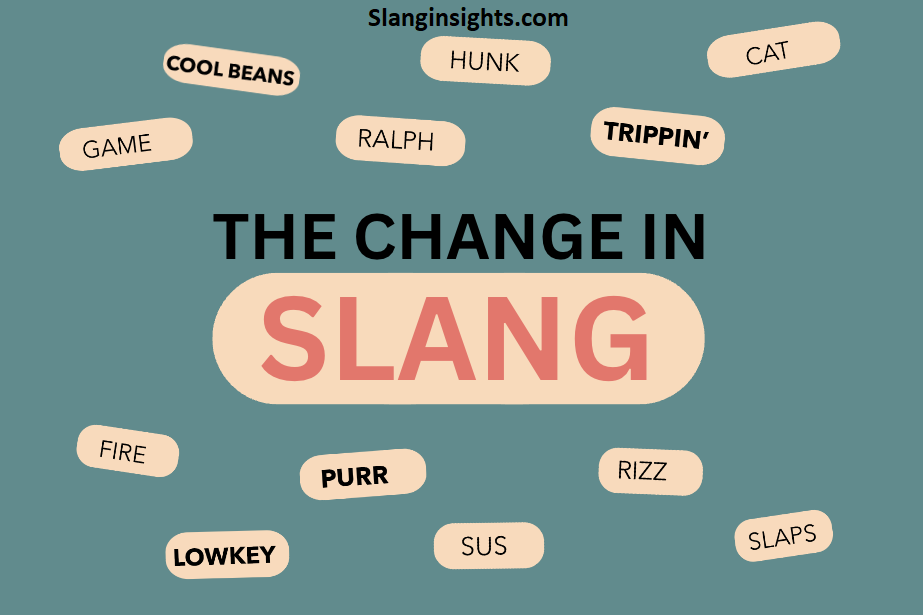
Gen Z slang words are popular expressions used by younger generations on TikTok, Instagram, Snapchat, and other social media platforms.
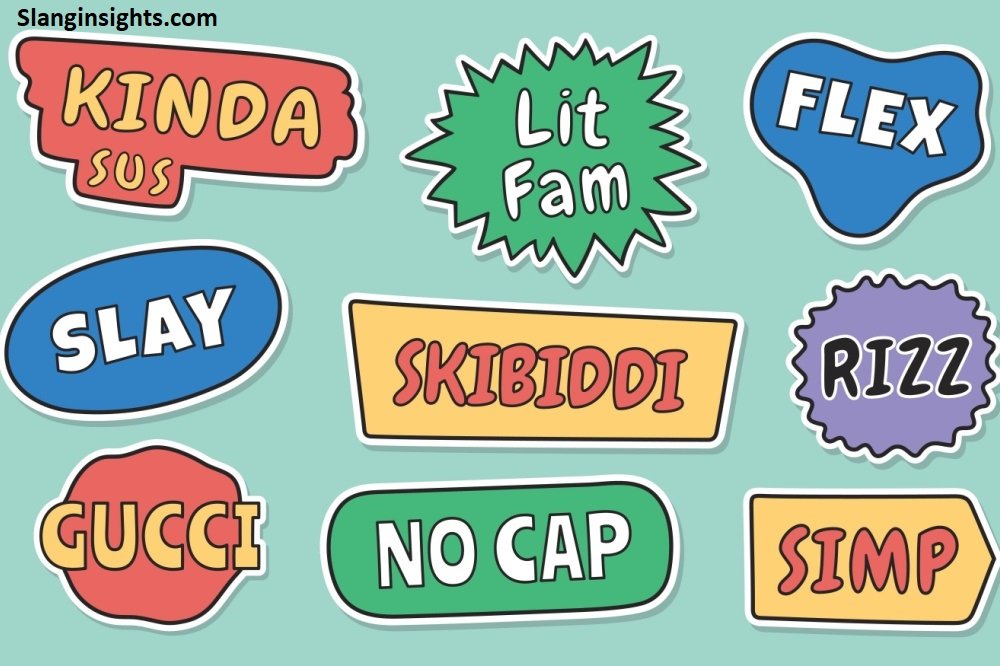
Terms like Rizz, Delulu, Slay, Bet, Cap, No Cap, Mid, Sus, Flex, and GOAT have become part of everyday conversations.
Other trending phrases include NPC, Aura, Cooked, Tea, Bussin, Iykyk, Simp, Drip, Ghosting, Stan, and Vibe Check.
These slang words help Gen Z communicate in fun, creative, and relatable ways.
Learning their meanings can make it easier to understand internet culture and connect with younger audiences online.
Table of Contents
Quick Table
| Slang Word | Meaning |
|---|---|
| Rizz | Charm or flirting skills |
| Delulu | Delusional in a funny way |
| Slay | Do something exceptionally well |
| Bet | Okay or agreed |
| Cap | Lie or false statement |
| No Cap | Truth or honesty |
| Mid | Average or unimpressive |
| Sus | Suspicious |
The Text That Made Me Realize I Was Out of Touch
Three years ago, I texted my teenage cousin “that’s bet” after she offered to help me untangle a router setup. She sent back a single laughing emoji and “…you used that wrong.” I genuinely didn’t know what I’d done.
Turns out I’d basically agreed with myself, like saying “okay” to my own sentence and calling it a comeback.
That was the moment I realized I had no idea what half the internet was saying anymore.
I run social media for my own blog, so I’m in comment sections daily. And for a solid year, I kept seeing words like “skibidi,” “gyat,” “delulu,” and “NPC” pop up under my posts with zero context.
Half the time I couldn’t tell if I was being complimented or roasted. Spoiler: it was usually roasted, just affectionately.
So I did what any reasonably stubborn adult would do — I started actually paying attention. I asked my cousin to translate things in real time. I lurked TikTok comment sections like a detective.
I made a note app list every time I saw a word I didn’t recognize, then looked it up before replying to anything. Some of these I got embarrassingly wrong before I got them right.
Here’s the list I wish someone had handed me on day one. Fifty real, currently-used terms, broken into groups so it doesn’t feel like reading a dictionary front to back.
Why bother learning this stuff at all
If you’re a parent, a teacher, someone who manages a brand’s Instagram, or just someone who wants to understand what their nephew is saying at Thanksgiving, this isn’t about trying to “talk like Gen Z.”
Nobody over 25 pulling out fresh slang in a work meeting is going to land well, and forcing it usually backfires.
It’s really about comprehension. Once you know what these words mean, conversations stop feeling like you’re reading a different language, and you can actually respond to what someone’s saying instead of nodding along and hoping for context clues.
Compliments and good vibes (the positive stuff)
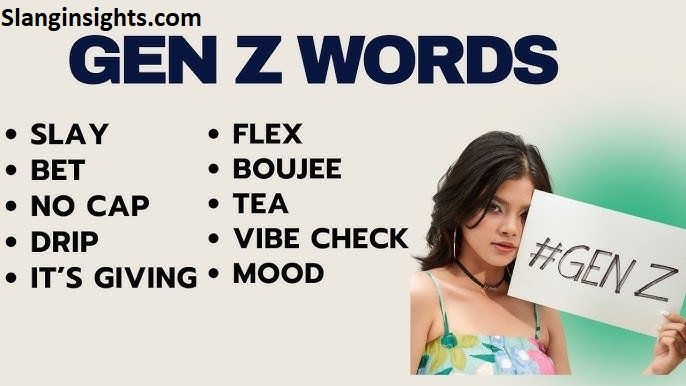
Slay — Doing something really well, often with style. “She slayed that presentation” just means she crushed it and looked good doing it.
Rizz — Short for charisma, specifically the kind that helps you flirt or charm someone. “He’s got rizz” means he’s smooth with people.
Bussin — Really good, almost always used about food. My cousin used this about a gas station hot dog once and I questioned everything.
Fire — Excellent, impressive. This one’s been around a while but it’s not going anywhere. “That outfit is fire.”
No cap — No lie, for real, I’m being serious right now. The opposite of “cap” (more on that below).
Hits different — When something feels more impactful or enjoyable than expected, often tied to a specific moment or mood. “Coffee hits different at 6am before the sun’s even up.”
Main character energy — Acting confident and intentional, like you’re the lead in your own story instead of background noise in someone else’s.
Glow up — A noticeable positive transformation, usually appearance or confidence, sometimes both. “He had a serious glow up since high school.
Vibe / vibing — The mood or energy of a moment, or just enjoying that energy. “We’re just vibing, no real plans.”
It’s giving [blank] — Used to describe the specific energy or aesthetic something has. “This restaurant is giving 2014 Tumblr aesthetic” tells you exactly what kind of vibe to expect without a single extra word.
Insults and “that’s not great” reactions
Mid — Mediocre, unimpressive, just okay. This is the one my cousin used on a caption I wrote, and it stung more than a flat-out “this is bad” somehow.
Cap / capping — Lying or exaggerating. “Stop capping” means stop lying.
Sus — Suspicious, sketchy. Got a huge popularity boost from the game Among Us, but it’s stuck around well past the gaming crowd.
Cringe — Something so awkward or embarrassing it’s physically uncomfortable to witness. Can be a noun (“that was cringe”) or describe a person’s vibe in general.
Ick — A sudden wave of being turned off by someone you previously liked, usually triggered by one weirdly specific thing. “He got the ick when she ordered for him without asking.”
L — A loss, as opposed to a “W” (win). “Take the L” means accept that you lost this round, gracefully or not.
Basic — Unoriginal, predictably mainstream, trying too hard to fit a trend without any personal twist.
Flop — Something that failed to land, whether it’s a product, a joke, or a launch. “That movie was a total flop.”
Mog / mogging — When someone outshines you just by existing near you, usually about looks or presence. Started in more niche corners of the internet but spread fast.
404 coded — Borrowed straight from the website error code, meaning someone who’s completely out of touch or slow to catch on. “He’s so 404 coded, he didn’t get the joke until ten minutes later.”
Reactions and pure internet speak
Bet — Used correctly, it means “okay, deal” or “for sure.” It’s an agreement, not a statement on its own (this is the one I butchered).
Lowkey — Secretly, mildly, kind of. “I’m lowkey tired” means a bit tired, not announcing it loudly.
Highkey — The opposite of lowkey, meaning openly or very much. “I’m highkey obsessed with this song.”
Say less — I get it, you don’t need to explain further, I’m already on board.
Sending me — Making someone laugh really hard. “That video is sending me” basically means it’s killing them with laughter.
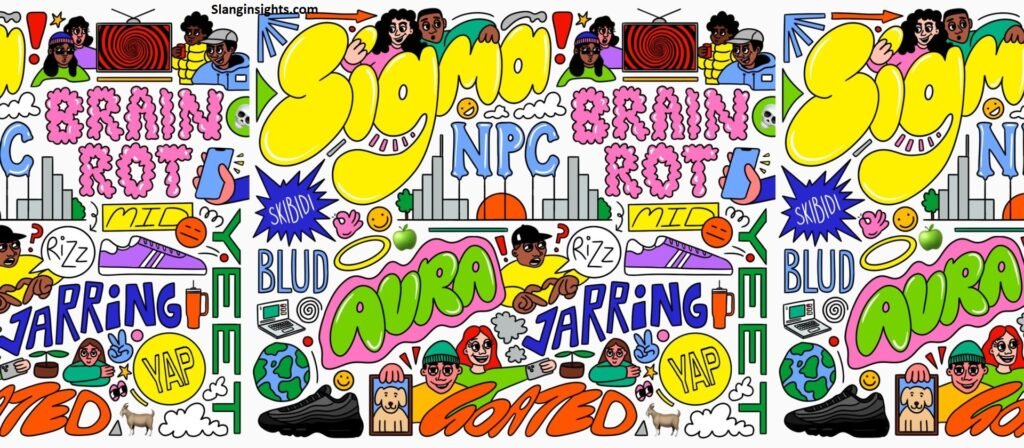
NPC — Short for “non-player character,” used to describe someone acting robotic, unoriginal, or like they have no real personality of their own in the moment.
Touch grass — A blunt way of telling someone to get off their phone and reconnect with actual reality for a minute.
Brainrot — Describes the mental fog or scattered attention that comes from consuming too much low-quality, fast-scrolling internet content. Also used to describe the content itself.
Skibidi — Came out of a chaotic, absurd YouTube series and now gets used as a flexible word that can mean cool, weird, or bad depending entirely on tone and context. Confusing, I know. That’s kind of the point.
Gyat — An exclamation people use when they’re impressed by someone’s appearance. Mostly used as a reaction sound rather than a full sentence.
Relationships and dating talk
Simp — Someone going way overboard to please a person they’re into, often at the expense of their own dignity or interests.
Ghosting — Cutting off all communication with someone suddenly, no explanation, no closure, just silence.
Delulu — Short for delusional, usually used jokingly about having unrealistic expectations, especially about a crush or a dating situation. “Delulu is the solulu” became a tongue-in-cheek motivational phrase, basically meaning unrealistic optimism can sometimes work in your favor.
Situationship — A romantic-ish connection that’s more than friends but without any defined label or commitment.
Beige flag — A quirky, slightly odd trait that’s not a dealbreaker but makes you pause for a second. Less serious than a red flag, more memorable than a non-issue.
Soft launch — Subtly hinting at a new relationship on social media without fully confirming it, like posting a hand or a blurry photo with no name attached.
Hard launch — The opposite — fully and clearly announcing the relationship, tagged name and all.
Talking stage — The early phase of getting to know someone romantically before anything is official.
W — A win. “That’s a W” means that went well, count it as a victory.
Catch feelings — Starting to develop real romantic emotions, often when you didn’t plan to or expect it.
Everyday life and random moments
Side quest — A small, unplanned detour from whatever you were originally doing, borrowed straight from video game language. “Went out for milk, ended up at a flea market — total side quest.”
Girl dinner — A playful term for a random, often snack-based meal thrown together instead of a proper sit-down dinner. Think crackers, cheese, and whatever’s left in the fridge.
Era — A defined phase of someone’s life or identity. “I’m in my healing era” or “this is my villain era” both work.
Chronically online — Spending so much time on the internet that it starts showing up in how you talk, think, or react to normal situations.
Aura farming — Deliberately doing something specifically to look effortlessly cool or build up your reputation/vibe, often slightly exaggerated or self-aware about it.
Canon event — Something that happens in your life that feels fated or formative, like it had to happen to shape who you are. Borrowed from fandom talk about a story’s “official” timeline.
Rent free — When a thought, meme, or quote won’t leave your head. “That line is living rent free in my mind.”
Yeet — To throw something with force, or just an excited exclamation with no real translation needed.
Finna — Short for “fixing to,” meaning about to do something. “I’m finna head out.”
It’s the [blank] for me — Pointing out the one specific detail that stands out most, usually with a slightly comedic or pointed tone. “It’s the matching socks for me” zeroes in on exactly what caught their attention.
How to actually use these without sounding like you’re trying too hard
Learning the definitions is the easy part. Using them naturally is where most adults (myself included) trip up. Here’s what actually worked for me.
just listen for a while before you say anything. I spent weeks reading comments and texts before I used a single one of these words out loud. Context teaches you tone way better than a definition ever will.
start with the words you’d actually say naturally. I never use “skibidi” because it doesn’t fit how I talk, and forcing it just sounds off. I do use “lowkey” and “no cap” because they slid into my normal vocabulary without effort.
match the energy of who you’re talking to. A casual text to my cousin is a different register than a comment on the blog’s Instagram. Slang works in casual spaces; it usually falls flat or reads as try-hard in formal ones.
don’t overload a single sentence with five slang words. One or two max. Stacking them on top of each other reads like you’re checking boxes off a list instead of actually talking.
when in doubt, ask. I’ve directly asked my cousin “wait, is that good or bad?” more times than I can count, and it’s never gone badly. People generally like explaining their own language.
Real example: what this looks like in practice
A friend of mine manages social for a small clothing brand. She told me she once captioned a product photo “this fit is mid” thinking it meant “this outfit is in the middle of trends, very current.”
It does not mean that. It means the outfit is unimpressive. The post got dragged in the comments within an hour, and she had to delete it.
That one mistake taught her more than any list ever could: always double check a word’s actual usage in a real sentence (TikTok comments and Urban Dictionary work fine for this) before putting it anywhere public-facing.
Common mistakes to avoid
Using outdated slang like it’s fresh. Words have shelf lives. “On fleek” had its moment and that moment passed years ago. Using expired slang reads more “out of touch” than using none at all.
Assuming tone instead of checking it. Several of these words (skibidi, mid, ick) shift meaning heavily based on context and delivery. Read the room, or the comment thread, before assuming.
Using slang in the wrong setting. A job interview, a formal email, a parent-teacher conference — none of these are the place for “no cap” or “bet.” Save it for casual, low-stakes conversations.
Correcting people who use it “wrong.” Slang isn’t owned by a rulebook. Regional and generational differences exist even within Gen Z. If someone uses a word slightly differently than you expected, it’s usually not worth a debate.
Forcing it to seem relatable. Kids and teens can spot a forced “hey fellow kids” moment from a mile away. Genuine curiosity lands better than performance every time— in a text, a comment section, or across the dinner table. That part’s worth getting right.
FAQ’s
What are Gen Z slang words?
Gen Z slang words are informal expressions commonly used by younger people, especially on social media platforms like TikTok, Instagram, and Snapchat.
Why do Gen Z use slang?
Gen Z uses slang to communicate quickly, express emotions, and stay connected with internet culture and trends.
What does “Rizz” mean?
“Rizz” refers to someone’s charm or ability to attract and flirt with others successfully.
What does “No Cap” mean?
“No Cap” means someone is being honest or telling the truth without exaggeration.
Where can I learn new Gen Z slang words?
You can discover new Gen Z slang words through TikTok, Instagram, YouTube, memes, and online communities where trends spread quickly.
Conclusion
Gen Z slang words have become an important part of modern communication and internet culture. These expressions are widely used on social media platforms, in text messages, and even in everyday conversations.
Words like Rizz, Slay, Bet, Cap, and No Cap help people express themselves in creative and entertaining ways.
Understanding Gen Z slang can make it easier to follow online trends, communicate with younger audiences, and stay updated with the ever-changing language of the internet.
While some terms may fade over time, many become popular enough to enter mainstream conversations.
Whether you’re a parent, teacher, marketer, or simply curious about modern language, learning Gen Z slang words can be both useful and fun. As social media continues to influence how people communicate, new slang terms will keep emerging.
Staying familiar with these expressions can help you better understand memes, viral videos, and the unique way Gen Z connects with the world around them.