Rave Slang Every Newbie Should Know Before Their First Festival
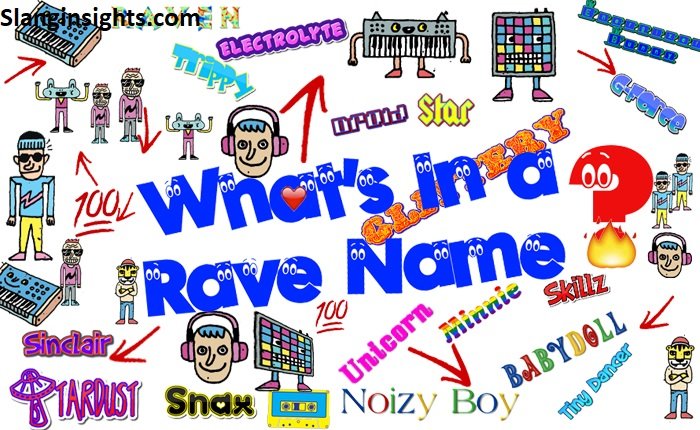
Rave slang is the colorful vocabulary that has grown out of the electronic dance music and festival scene, helping ravers communicate quickly and bond over shared culture.
Terms like PLUR (Peace, Love, Unity, Respect) capture the community’s core values, while words like kandi (beaded bracelets traded between ravers), cuddle puddle (a group chill-out spot), and rolling (feeling the effects of certain substances) describe common experiences at events.
Other phrases like massive (a huge crowd or event) and shuffling (a popular dance style) round out the lexicon. Learning rave slang helps newcomers feel confident, connect with others, and fully immerse themselves in festival culture.
Table of Contents
Quick Table
| Term | Meaning |
|---|---|
| PLUR | Peace, Love, Unity, Respect — the core rave ethos |
| Kandi | Beaded bracelets/jewelry traded between ravers |
| Cuddle Puddle | A group chill-out area at a rave |
| Massive | A huge crowd, event, or sound system |
| Shuffling | A popular rave dance style involving fast footwork |
| Rolling | Feeling the effects of certain substances |
| Rave Fam | The close community/friend group formed at raves |
| Candy Raver | Someone known for wearing lots of kandi and bright accessories |
| Bass Face | The exaggerated facial expression people make to heavy bass drops |
| Glow Stringing | Dancing with LED-lit strings for visual effects |
How I Learned the Language of Rave Culture
My first rave was in 2016, some warehouse show that a coworker dragged me to, and I remember standing near the speakers thinking I’d wandered into a foreign country.
Someone asked if I had a “kandi” to trade. Another guy told me the “PLUR” vibes were “immaculate tonight.” A girl asked if I was “rolling” and I genuinely thought she meant dice.
I nodded along like an idiot for the first two hours.
That’s the thing nobody tells you before your first festival or underground party — the music is only half the culture.
The other half is this whole vocabulary that’s been building for decades, and if you don’t know it, you’re going to feel like an outsider even if you love the music.
So here’s everything I wish someone had just sat me down and explained, based on going to probably 40+ shows since then, from tiny basement parties to Electric Daisy Carnival.
PLUR Isn’t Just a Cute Acronym
Let’s start here because you’ll hear it constantly. PLUR stands for Peace, Love, Unity, Respect. It came out of the 90s rave scene and it’s basically the unofficial code of conduct.
In practice, it means people look out for each other. If someone’s struggling, stranger or not, you help them find water, help them find their friends, get them to medical if they need it.
I’ve seen people give up their spot at the rail so someone who’d been waiting longer could see the DJ up close. That’s PLUR in action, not just a word on a sticker.
Some scene veterans roll their eyes at it now because it’s gotten a bit commercialized — you’ll see it printed on merch at festivals owned by giant corporations. But the actual spirit behind it, at least in my experience, is still real on the ground.
Kandi Trading: The Bracelet Economy
Kandi are those beaded bracelets ravers make and trade, usually spelling out words or featuring perler bead designs.
The tradition has an actual handshake ritual attached to it — you do a little hand motion sequence spelling P-L-U-R with your fingers before you trade.
I made my first batch of kandi from a $15 bead kit off Amazon and honestly, they were embarrassing. Lopsided, elastic too loose, fell apart by the second set. Nobody cared though.
That’s kind of the point — it’s about the exchange, not the craftsmanship.
If you want to get into it, Pony Beads and elastic cord are the standard materials, and there are tons of YouTube tutorials for basic single or cuff patterns. Start simple. Nobody’s first kandi should be a 3D masterpiece.
“Rolling,” “Rolling Face,” and Related Terms
This one’s sensitive territory, so I’ll be straightforward about it. In rave culture, “rolling” refers to being under the effects of MDMA.
You’ll hear “rolling face” to describe someone who’s clearly deep into that experience — glassy eyes, big smile, maybe chewing gum or sucking on a pacifier (which, by the way, is why so many ravers carry those — it’s not a fashion statement, it’s to prevent jaw clenching).
I’m not going to pretend this doesn’t exist in the scene because it very much does. What I will say from experience is that the culture around it, at least among people who’ve been doing this a while, leans heavily toward harm reduction.
Testing kits (like the ones from DanceSafe), staying hydrated, not mixing substances, having a sober friend around — that’s the stuff seasoned ravers actually talk about, way more than the partying itself.
If you ever see someone who seems to be in real distress, not just “rolling,” get them to a medical tent immediately.
Most major festivals have one clearly marked on the map, and staff are trained specifically for this. Don’t assume it’ll pass on its own.
Candy Flipping, Molly, and Other Terms You’ll Hear
You don’t need a full drug glossary from me, and honestly I’d rather not turn this into that kind of article.
But a few terms you’ll hear tossed around: “molly” is slang for MDMA, “candy flipping” refers to combining substances (which massively increases risk and isn’t something I’d recommend to anyone), and “e-tarded” is old-school slang for someone who’s overdone it.
My honest take after years of going to these events: the safest ravers I know are the ones who go in informed, set limits before the night starts, and check in on their friends constantly.
The scene talks a big game about looking out for each other, so lean into that part of it.
Rail, Rave Cave, and Other Venue Terms
“The rail” is the barrier right at the front of the stage. Getting rail is basically the raver equivalent of front row seats, and people will camp out for hours to get there for a headliner.
“Rave cave” refers to your setup at home, or sometimes a designated chill zone at the festival where people can decompress away from the main stage noise.
“Sets” just means a DJ’s performance slot — asking “whose set are you most excited for” is completely normal rave small talk.
Common Mistakes First-Timers Make
I made basically all of these, so learn from me.
Wearing brand new shoes. You will be on your feet for 8-12 hours, possibly standing in mud or sticky floors. Break in your shoes beforehand or wear something you’ve already tested.
Not bringing a battery pack. Your phone will die by hour four if you’re taking photos and videos. A portable charger from Anker or similar is basically mandatory gear now.
Ignoring the schedule app. Most big festivals (Ultra, EDC, Tomorrowland) have official apps with set times. I missed an artist I really wanted to see my first year because I assumed the lineup poster was accurate. It wasn’t. Always check the app the day of.
Underestimating water and electrolytes. I used to just drink water and wonder why I still felt awful the next morning. Liquid IV or just regular Gatorade packets in your bag make a genuine difference.
Trading kandi and immediately losing track of who gave you what. Not a big deal, but it’s kind of nice to remember the story behind each bracelet, so maybe jot a quick note in your phone if it matters to you.
A Few More Terms Worth Knowing
- Bass face — the exaggerated facial expression people make when a drop hits just right
- Basshead — someone who specifically loves bass-heavy genres like dubstep or drum and bass
- Plur bombing — showering someone in kandi, usually as a surprise gesture of kindness
- Massive — a term for a fanbase, like “the Bassnectar Massive,” borrowed from old jungle and drum and bass culture in the UK
- Shuffling — that specific rave dance style with the quick footwork, worth watching a few tutorials on if you want to try it without looking like you’re having a medical event
FAQ’s
What does PLUR mean in rave culture?
PLUR stands for Peace, Love, Unity, and Respect. It’s the guiding philosophy of rave culture, encouraging kindness, inclusivity, and mutual respect among attendees.
What is kandi at raves?
Kandi refers to colorful beaded bracelets, necklaces, or accessories that ravers make and trade with one another as a symbol of friendship and connection.
Why do ravers use so much slang?
Rave slang helps build a sense of community and identity. It allows ravers to communicate quickly, express shared experiences, and signal that they’re part of the culture.
Is rave slang the same at every festival?
Most core terms like PLUR, kandi, and shuffling are widely recognized, but some slang can vary by region, music genre, or specific festival community.
Do I need to know rave slang before attending my first rave?
It’s not required, but learning a few key terms can help you feel more comfortable, understand conversations, and connect more easily with other attendees.
Conclusion
Rave slang is more than just a collection of fun words — it’s a reflection of the values, creativity, and sense of belonging that define festival culture.
From PLUR to kandi, cuddle puddles to shuffling, each term carries meaning that connects ravers across generations and events.
For newcomers, learning this vocabulary can make the experience feel less overwhelming and more welcoming, offering an easy way to strike up conversations and feel part of the community.
For seasoned ravers, slang serves as a shared language that reinforces bonds and celebrates the culture’s unique identity.
Whether you’re heading to your first festival or you’ve been part of the scene for years, understanding rave slang adds another layer of appreciation for the culture’s history and spirit.
So next time you’re on the dance floor, don’t be afraid to use a few terms — you might just make a new friend in the process.