Australian Insults 101 How to Roast Someone Like a True Aussie
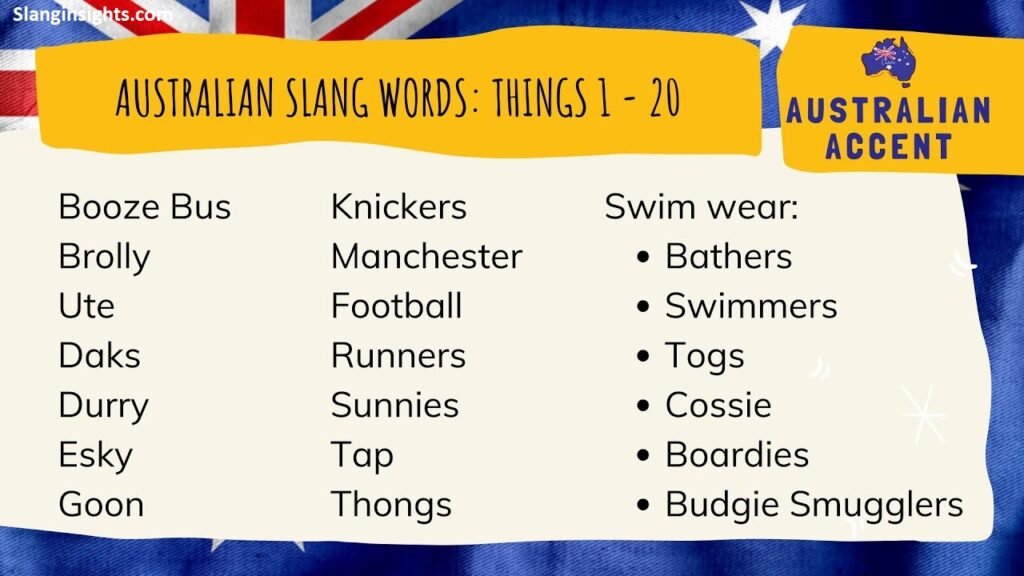
Australian insults are famous for their blunt, colorful, and often hilarious delivery, blending sharp wit with a laid-back tone that softens the blow.
From calling someone a “drongo” (an idiot) to labeling a whinger a “sook,” Aussies have a knack for turning everyday words into playful jabs.
Terms like “galah,” “bogan,” and “flamin’ galah” capture a uniquely Australian sense of humor, where insults often feel more like teasing than genuine hostility.
Rooted in larrikin culture, these phrases reflect Australia’s love of mateship and self-deprecating banter.
Whether used among friends or as light-hearted trash talk, Australian insults remain some of the most entertaining slang in the English language.
Table of Contents
Quick Table
| Insult | Meaning |
|---|---|
| Drongo | An idiot or fool |
| Galah | A silly or loud person |
| Bogan | An uncultured or unrefined person |
| Sook | A crybaby or whiner |
| Dill | A silly or foolish person |
| Wanker | An arrogant or self-important person |
| Ratbag | A mischievous or troublesome person |
| Flamin’ galah | An exasperated way of calling someone a fool |
| Dag | An unfashionable or dorky person |
| Bludger | A lazy person who avoids work |
| Nong | A stupid or clueless person |
| Yobbo | A loud, uncouth troublemaker |
| Two-bob lair | Someone showy but ultimately worthless |
| Skite | A boastful person |
| Whinger | Someone who complains excessively |
How I Discovered Australian Insult Slang
Three years ago, I was sitting in a pub in Melbourne, completely butchering a game of pool, when the bloke I was playing against laughed and said, “Ah, you’re a bit of a drongo, aren’t ya.”
I froze. Was that… bad? Was I supposed to be offended? Should I buy him a beer or throw one at him?
Turns out, it was said with a grin, and in Australia, that usually means you’re fine. That night sent me down a rabbit hole of Australian insults, and honestly, it’s one of the more entertaining things I’ve researched. Not because I wanted to insult anyone, but because understanding how Aussies rip into each other tells you a lot about the culture itself.
If you’re planning a trip to Australia, working with Australian colleagues remotely, or you just married into an Aussie family like my mate Dave did (poor guy got called a “bloody galah” at his own wedding), this guide is for you.
Why Australian Insults Are Different From Everywhere Else
Here’s the thing that took me way too long to understand: in Australia, insults are often affection in disguise.
I’m not making that up to sound quaint. It’s a real social pattern. Aussies, especially blokes talking to their mates, show closeness by giving each other stick. If an Australian insults you playfully, it usually means they like you enough to bother.
Silence or overly polite formality? That’s actually more concerning. If your Australian coworker never teases you, never calls you a “muppet” for forgetting something, they might not have warmed up to you yet.
I learned this the hard way when I kept apologizing every time someone called me an idiot for something minor, like leaving my car lights on.
My Aussie friend finally said, “Mate, relax, I’m just having a go at you.” That phrase, “having a go,” became my lifesaver phrase for the next two years.
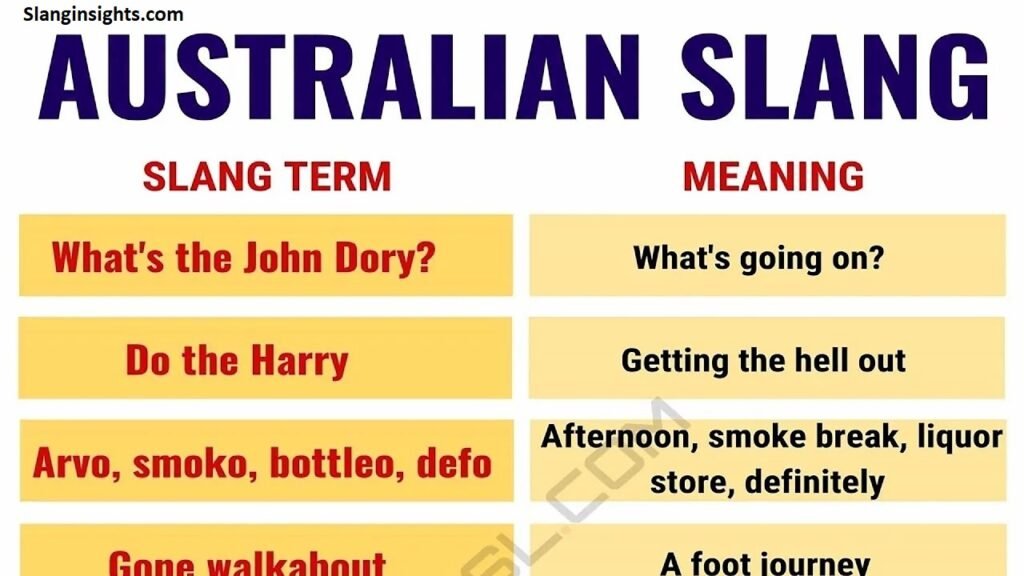
The Insults You’ll Actually Hear (And What They Really Mean)
I’ve broken these down based on how often I actually heard them in real conversations, not just from lists I found online.
Drongo
Means someone a bit dim or clumsy. Not cruel, more like “you goofball.”
Real example: My friend’s dad called him a drongo for trying to jump-start his car with the battery terminals backwards.
Galah
A galah is actually a pink and grey bird known for being loud and a bit silly. Calling someone a galah means they’re being noisy or foolish, but again, mostly harmless.
I got called this once for singing loudly in a servo (that’s a gas station, by the way) while filling up petrol.
Bogan
This one carries more weight. A “bogan” refers to someone seen as unsophisticated, often associated with flannel shirts, ute trucks, and a certain rough-around-the-edges lifestyle.
Some people use it proudly about themselves. Others use it as a genuine insult. Context matters a lot here.
Dill
Means someone who’s being a bit silly or careless. Softer than “idiot,” more like “silly goose” in American English.
Ratbag
Someone who’s mischievous or a troublemaker, but usually in a cheeky, not malicious, way.
Bloody Idiot / Bloody Drongo / Bloody Galah
Add “bloody” in front of almost any insult, and you’ve basically created the Australian remix. It doesn’t necessarily make things harsher; sometimes it’s just rhythm and habit.
Wanker
Okay, this one’s genuinely rude. Reserved for someone who’s arrogant, self-important, or full of themselves. If someone calls you this seriously (not jokingly), that’s not banter, that’s an actual insult.
Sook
Used for someone being a crybaby or overly sensitive about something small. My gym trainer here uses this on people (including me) who complain about leg day.
Muppet
Similar to “dill” or “drongo.” Someone who did something silly, not necessarily malicious.
Two-Faced / Dog
These are more serious. Calling someone a “dog” in Australian slang can mean they’re a snitch or someone who betrayed trust. This isn’t playful. If you hear this used about someone, it’s usually not lighthearted.
The Golden Rule: Context Is Everything
I want to stress this because it trips up a lot of visitors. The exact same word can be affectionate or genuinely hostile depending on tone, relationship, and situation.
Here’s a simple way to judge it:
Step 1: Check the tone of voice. Is there a smile or laugh attached?
Step 2: Look at the relationship. Strangers using harsher insults casually is a red flag. Friends doing it is normal.
Step 3: Notice if it’s reciprocal. If both people are insulting each other back and forth playfully, it’s banter.
Step 4: Watch body language. Crossed arms, raised voice, and no smile usually mean it’s not a joke anymore.
I use this four-step method anytime I’m unsure, and it’s saved me from overreacting more than once.
My Biggest Mistake (Learn From This One)
Early on, I tried using Australian slang insults myself before I fully understood them. Big mistake.
I called a coworker a “bogan” thinking it was harmless slang, similar to how “dill” or “drongo” gets used. Turns out, depending on the person and their background, that word can feel classist or condescending. My coworker wasn t thrilled.
Lesson learned: just because locals use a word playfully among themselves doesn’t mean it’s safe for an outsider to use it, especially early in a relationship. Insults in Australian culture often function like inside jokes. You need trust built up first.
Tools and Resources That Actually Helped Me Learn This Stuff
I didn’t just wing this. A few resources genuinely helped me get more comfortable:
- Pete’s Aussie English podcast – Great for hearing real conversational slang in context, not just definitions.
- Reddit’s r/australia – Real Australians discussing and debating slang usage, which shows you the nuances lists can’t capture.
- YouTube channels like “Aussie English” – Run by an actual Australian teaching English learners real expressions with pronunciation.
- Just talking to locals at pubs – Genuinely the best teacher. Aussies are generally happy to explain their own slang if you ask sincerely.
I wouldn’t recommend relying purely on translation apps like Google Translate for slang, they tend to miss tone and context entirely, which is basically the whole point with Australian insults.
Common Mistakes People Make With Australian Slang Insults
Taking playful insults too personally and getting visibly upset. This can actually make things awkward since the intent was bonding, not harm.
Using slang insults on strangers or new acquaintances. Wait until there’s some rapport first.
Assuming all insults are harmless banter. Some words like “dog” or serious use of “wanker” are genuinely meant to hurt.
Overusing slang to sound like a local. Nothing gives away a tourist faster than trying too hard. Aussies can spot forced slang immediately, and it often comes across as try-hard rather than charming.
Ignoring regional differences. Slang in Queensland can differ from slang in Melbourne or Perth. What’s common in one city might get a confused look in another.
A Quick Story That Sums It All Up
Last year, my Australian friend’s little brother, maybe 19 years old, spilled an entire beer on himself at a barbecue.
Instead of getting embarrassed silence, his mates immediately started laughing and calling him “an absolute galah” and “a proper dill.”
He laughed along with them. Nobody felt bad. If anything, it made him feel more included, like he’d officially become part of the group’s ongoing joke roster.
That’s when it clicked for me.
These insults aren’t really about tearing someone down. They’re social glue. They say, “I’m comfortable enough with you to joke around, and I expect you to dish it back.”
FAQ’s
What is the most common Australian insult?
“Drongo” is one of the most widely used Australian insults, referring to someone who’s a bit foolish or clumsy. It’s mild enough to use among friends without causing real offense.
Are Australian insults meant to be offensive?
Not usually. Many Australian insults are rooted in larrikin humor and mateship, meaning they’re often used playfully rather than to genuinely hurt someone. Context and tone matter a lot.
What does “bogan” mean in Australian slang?
“Bogan” refers to someone seen as unrefined, uncultured, or from a working-class background, often associated with a particular style or attitude. It can be used affectionately or as a genuine putdown depending on delivery.
Can Australian insults be used in professional settings?
No, most Australian insults are casual slang best suited for informal conversations among friends or family. Using them in professional or formal settings could come across as inappropriate or offensive.
Why do Australians use so much slang for insults?
Australia’s culture values humor, informality, and self-deprecation, which naturally extends into how people tease or insult one another. Slang insults reflect a broader linguistic tradition of colorful, expressive language.
Conclusion
Australian insults offer a fascinating glimpse into the country’s culture, humor, and love of colorful language.
From playful jabs like “drongo” and “galah” to sharper terms like “bogan” and “wanker,” these expressions showcase Australia’s laid-back yet witty communication style.
What makes Australian insults unique is their ability to walk the line between genuine criticism and light-hearted teasing, often rooted in mateship rather than malice.
Understanding these terms not only helps you appreciate Australian slang more deeply but also gives insight into the values of humor, honesty, and camaraderie that shape everyday interactions Down Under.
Whether you’re traveling to Australia, chatting with Aussie friends, or simply curious about global slang, knowing these insults adds a fun layer to your cultural vocabulary.
Just remember, tone and context are everything, what sounds like an insult might actually be a compliment in disguise.
Embracing this linguistic quirk is part of what makes Australian culture so distinctly entertaining and endearing to people around the world.