2021 Slang 30 Words You Definitely Heard That Year
2021 slang refers to the popular informal words and phrases that emerged or trended during 2021, largely shaped by TikTok, social media, and internet culture.
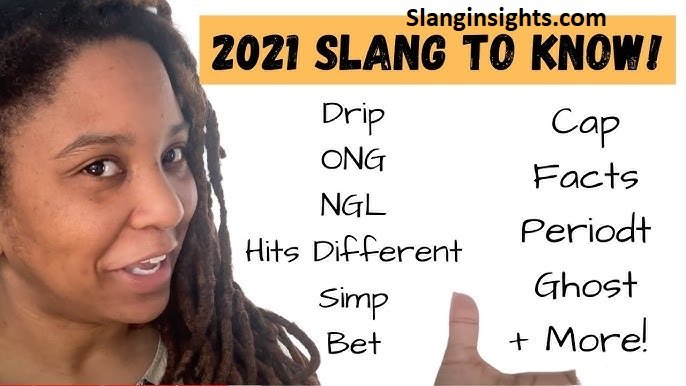
Terms like “no cap” (no lie), “sus” (suspicious), “sheesh” (an exclamation of amazement), and “bet” (used to agree or confirm) became everyday expressions among younger generations.
Much of this slang was influenced by Gen Z creators, viral trends, and online communities, quickly spreading across platforms like TikTok, Twitter, and Instagram.
Understanding 2021 slang offers a nostalgic look back at how language evolved that year and highlights how internet culture continues to shape modern communication in fast, unexpected ways.
Table of Contents
Quick Table
| Aspect | Details |
|---|---|
| Term | 2021 Slang |
| Meaning | Popular informal words and phrases that trended during 2021 |
| Origin | TikTok, social media trends, Gen Z internet culture |
| Popular Examples | No cap, sus, sheesh, bet, hits different |
| Common Usage | Everyday conversations, captions, reactions online |
| Similar Terms | Internet slang, Gen Z lingo, viral phrases |
| Tone | Casual, expressive, trend-driven |
| Where It’s Used | TikTok, Twitter, Instagram, everyday youth conversation |
How I Rediscovered 2021 Slang the Hard Way
So last month I was scrolling through old texts on my phone — you know, that thing you do at 1 AM when you should be sleeping — and I found a conversation from 2021.
Where I called something “no cap” and told my friend a meme was “bussin.” I actually cringed out loud. Like, physically made a noise.
But then I got curious. Was 2021 slang actually that bad? Or did I just forget how normal it felt at the time?
So I did something dumb. I decided to only use 2021 slang for an entire week at work and with friends, just to see what happened. Spoiler: my coworker Priya asked if I’d had a stroke.
Here’s everything I learned from that experiment, plus a real breakdown of the words that defined that weird pandemic-adjacent year of internet culture.
Why 2021 Slang Even Matters Now
Look, I get it. Slang from a few years ago sounds ancient in internet time.
But here’s the thing — 2021 was a genuinely strange cultural moment. Everyone was still half-locked indoors, TikTok had basically become the main character of the internet, and Gen Z was fully taking over how we talk online.
If you’re a parent trying to understand your kid’s texts, a small business owner trying to sound relatable on social media, or just someone who wants to understand old memes without feeling like a fossil — this stuff still matters.
Half of it never actually died either. It just quietly became normal English.
The Words That Ran 2021 (And What They Actually Mean)
Let me break these down the way I actually used them, not some dictionary version.
No cap This means “I’m not lying” or “seriously.” I used this constantly in 2021. Like, “That new burger place is fire, no cap.” My mom heard me say it and thought I meant something about hats. I had to explain that “cap” means lying, so “no cap” means no lies.
Bussin Means something is really good, usually food. I remember ordering wings from a random spot near my apartment and texting my roommate “yo these wings are bussin” and he replied with just a screenshot of the word in Urban Dictionary because he genuinely didn’t know it yet. That’s how fast this stuff spread — some people caught on in January, others in November.
Rent free “That’s living in my head rent free” meant you couldn’t stop thinking about something, usually something small or dumb. I still catch myself saying this one. Honestly it’s a genuinely useful phrase — English didn’t really have a short way to say that before.
Sus Short for suspicious. This one blew up hard because of the game Among Us, which had this massive resurgence in 2020 and rolled straight into 2021. My whole friend group would play it over Discord during lockdown, and “sus” leaked into literally every conversation after that. I’d use it about food (“this milk smells sus”), about people, about weird emails at work.
Big yikes Just an amplified version of “yikes.” Used when something was embarrassing on a whole other level. I used this one time when my Zoom camera turned on during a meeting and I hadn’t realized I still had my ring light pointed directly at my face like I was about to do a skincare tutorial.
It’s giving… This one started gaining traction toward late 2021 and really exploded in 2022. “It’s giving main character energy.” “It’s giving unemployed.” You’d basically describe the vibe something was putting off.
Simp Someone who’s overly attentive or submissive to someone they like, usually used mockingly. This word got so overused in 2021 that people started using it ironically just to make fun of how much it was being used. Peak internet behavior, honestly.
Vibe check Checking if the mood or energy of a situation is good. My gym buddy used to text “vibe check” before we’d decide if we were actually going to the gym or getting food instead. We usually failed the vibe check and got tacos.
Touch grass Telling someone to go outside because they’ve clearly been online too long. Ironically, I got told this by a friend after I spent four hours arguing about a TV show finale on Twitter. He wasn’t wrong.
Mid Meaning average or unimpressive. Not bad, not good — just mid. This one is still used constantly today, honestly. It didn’t age at all.
My Week of Only Using 2021 Slang — What Actually Happened
Okay here’s where it gets a little embarrassing.
Day 1: I told my manager during a Slack call that the new project plan was “bussin.” She just… paused. Then said “I’ll take that as a good thing?”
Day 2: My partner asked how my day was, and I said “mid, ngl.” She had literally no reaction because at this point she’s used to my nonsense.
Day 3: I called a coworker’s outfit “giving corporate but make it fashion” and she actually loved that one. First win of the week.
Day 4: Told my dad his grilling skills were “no cap elite” and he looked personally offended, like I’d insulted his ancestors.
Day 5: Used “sus” to describe a suspicious email from “IT support” (it was a phishing attempt, by the way — always check the sender’s actual email address, not just the display name).
Day 6: Got called out by Priya, who said, and I quote, “You’ve been speaking like a fifteen-year-old for six days, are you okay?”
Day 7: Gave up halfway through and just talked normal because I had client calls and did not want to explain what “mid” meant to a 55-year-old accountant.
Lessons I Actually Learned From This
Slang has a shelf life, and it’s shorter than you think. Some 2021 words like “mid” and “rent free” are still alive and well. Others, like “big yikes,” basically vanished. If you’re using slang for business content or marketing, don’t assume last year’s trend is still safe to use.
Context matters more than the word itself. “Sus” works fine casually but sounds weird in a formal email. Obvious, I know, but it’s easy to forget when you’re used to texting all day.
Slang spreads unevenly. Not everyone learns new words at the same speed. Some of my friends were saying “bussin” back in early 2021, others didn’t hear it until way later that year. Don’t assume everyone’s on the same page just because a word feels “everywhere” online.
Some slang genuinely improves communication. “Rent free” and “vibe check” fill real gaps in casual English. That’s probably why they stuck around instead of fading out like most trends do.
If You Want to Actually Understand Modern Slang (Without Embarrassing Yourself)
A few tools and habits that actually helped me stay in the loop, especially for work-related social media stuff:
- Urban Dictionary — obviously not perfect, but good for a quick “wait what does this mean” check.
- TikTok’s search bar — genuinely one of the fastest ways to see slang used in real context instead of just definitions.
- Following younger cousins or nieces/nephews on social media — I’m serious, this works better than any app.
- Reddit threads like r/OutOfTheLoop — great for catching up on why a word suddenly exploded.
Common Mistakes People Make With Slang
Since we’re being real here, let me save you from some cringe:
- Using slang in professional emails just because you saw it trending. It rarely lands the way you hope.
- Assuming slang means the same thing across every platform. TikTok slang and gaming slang don’t always overlap.
- Overusing a word right when it peaks, which is usually right before it starts sounding outdated.
- Not checking if a word has a different, less innocent meaning in another context before using it publicly (this has burned brands on social media more than once).
FAQ’s
What does 2021 slang refer to?
It refers to the informal words and phrases that became popular during 2021, largely driven by TikTok trends, viral moments, and Gen Z internet culture.
What are some common examples of 2021 slang?
Popular terms include “no cap” (no lie), “sus” (suspicious), “sheesh” (an expression of amazement), and “bet” (used to agree or confirm something).
Where did most 2021 slang come from?
Much of it originated on TikTok and spread quickly through Twitter, Instagram, and other social platforms, often popularized by Gen Z creators and viral trends.
Is 2021 slang still used today?
Some terms like “no cap” and “sus” remain widely used, while others have faded as new slang trends emerged in following years.
Why is it useful to know 2021 slang?
Knowing 2021 slang helps you understand references in older posts, videos, and conversations, while also offering insight into how internet language evolves over time.
Conclusion
2021 slang captures a unique snapshot of how language evolved during a year heavily shaped by social media, viral trends, and Gen Z creativity.
Words like “no cap,” “sus,” “sheesh,” and “bet” became everyday expressions, quickly spreading from TikTok to nearly every corner of the internet.
This rapid rise reflects how platforms like TikTok, Twitter, and Instagram transformed slang from niche subcultures into mainstream vocabulary almost overnight.
While some 2021 slang terms have remained popular, others have naturally faded as newer trends and expressions took their place, showing just how fast internet culture moves.
Looking back at 2021 slang offers a nostalgic reminder of that year’s online personality and humor, while also highlighting broader patterns in digital communication.
Understanding these terms not only helps make sense of older content and conversations but also demonstrates how deeply social media continues to influence everyday language.
As trends keep evolving, revisiting slang like this shows how each year leaves its own distinct mark on how people communicate online.