Aussie Insults Dictionary Slang You Need to Know
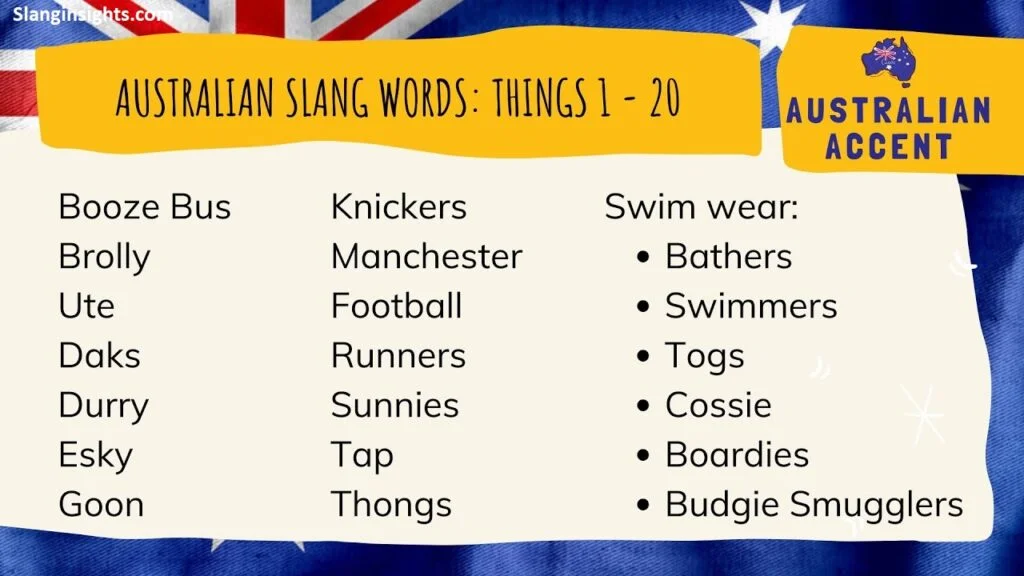
Aussie Insults dictionary, Aussie Insults explained, Aussie Insults meaning, Aussie Insults list, Aussie Insults guide, Aussie Insults funny, Aussie Insults slang, Aussie Insults for mates.
Aussie Insults savage, Aussie Insults playful, Aussie Insults translator, Aussie Insults quiz, Aussie Insults Australian slang, Aussie Insults banter, Aussie Insults roast, Aussie Insults compliments.
Aussie Insults history, Aussie Insults origin, Aussie Insults best examples, Aussie Insults compilation, Aussie Insults outback, Aussie Insults bogan, Aussie Insults friendly.
Aussie Insults humor, and Aussie Insults cheat sheet are all popular search terms people use to explore Australia’s uniquely blunt and affectionate insult culture.
Table of Contents
Quick Table
| Keyword | Meaning |
|---|---|
| Aussie Insults dictionary | A reference list defining common Australian insult terms |
| Aussie Insults explained | Breakdown of what specific Aussie insults actually mean |
| Aussie Insults funny | Lighthearted, humorous Australian put-downs used among friends |
| Aussie Insults slang | Informal Australian expressions used to tease or mock |
| Aussie Insults for mates | Insults specifically used in friendly, affectionate banter |
| Aussie Insults savage | Harsher, more cutting Australian insults meant to roast someone |
| Aussie Insults roast | Insults used in playful roasting sessions between friends |
| Aussie Insults bogan | Slang terms mocking a stereotypically unrefined Australian persona |
How I Learned Australian Insults the Hard Way
First week in Australia, a bloke at a hostel in Cairns called me a “drongo” because I put the milk in before the tea bag. I nearly asked him to step outside.
Turns out he was basically calling me a lovable idiot, and by Aussie standards, that’s practically a term of endearment.
That’s the thing about Australian insults nobody tells you before you land. Half of them sound brutal. Most of them are actually affectionate.
And if you take them the wrong way, you’ll either start an unnecessary fight or miss out on some genuinely great banter.
I’ve spent a fair bit of time working and traveling around Australia — pubs in Melbourne, building sites in Perth, backpacker hostels up the east coast — and I got roasted a lot before I figured out the rules.
So here’s what I actually learned, not what a textbook says.
Why Aussies Insult Each Other (And It’s Not What You Think)
In a lot of cultures, insulting someone means you don’t like them. In Australia, it’s often the opposite. Mates rip into each other constantly. If an Aussie doesn’t give you a hard time, that can actually mean they’re keeping their distance.
I learned this the hard way at a barbecue in Brisbane. A guy kept calling me a “muppet” every time I stuffed something up on the grill. I got quiet and a bit annoyed.
His mate pulled me aside and said, “mate, he only does that to people he likes, relax.” Five minutes later I was calling him a muppet right back, and we ended up swapping numbers.
So step one, before anything else: context and tone matter more than the actual word.
The Insults You’ll Actually Hear (And What They Really Mean)
Here’s my real-world glossary, built from getting called most of these at least once.
Drongo – A bit of a fool, someone who’s done something silly. Not a serious insult. Named after a racehorse that never won a race, if the story’s to be believed.
Galah – Similar to drongo. Named after the pink-and-grey bird that’s considered a bit loud and silly. If someone calls you a galah for locking your keys in the car, just laugh it off.
Bogan – This one’s trickier. It refers to someone seen as unrefined, a bit rough around the edges, maybe into flannel shirts, utes, and VB tinnies. Some people say it proudly about themselves. Others use it to look down on someone. Read the room.
Dropkick – Someone who’s a bit useless or lazy. Comes from rugby, apparently, though I’ve never fully understood the connection.
Wanker – Stronger than the ones above. Usually means someone who’s arrogant or full of themselves. This one can be genuinely rude depending on tone, so don’t throw it around carelessly with strangers.
Bludger – Someone who avoids work or mooches off others. “Dole bludger” is a harsher, more political version you’ll hear in news debates rather than casual chat.
Sook – Someone being a big baby about something minor. If you complain about a paper cut in Australia, expect to be called a sook.
Ratbag – Mischievous troublemaker, usually said with a smile. Grandparents use this on naughty kids a lot.
Galoot – Clumsy, big, awkward fella. Less common now but still floats around older generations.
Flamin’ Galah – Basically galah with extra emphasis, usually shouted by someone mildly frustrated, like when your mate drops the last snag off the barbie.
Real Situations Where I Got This Wrong (So You Don’t Have To)
Taking “bogan” personally. A coworker on a job site in Adelaide called me a bogan because I brought a meat pie and sauce for lunch every single day. I thought he was mocking my income or background. He genuinely just meant I had bogan taste in food. We laughed about it for weeks after. Lesson learned — ask yourself if it’s said with a grin before reacting.
Using “wanker” too casually. I heard it thrown around so much I assumed it was mild, like “drongo.” I used it on a guy I barely knew at a footy match. Wrong move. His face changed instantly. Turns out that one carries more weight if you’re not already mates. Save it for people who already like you.
Not insulting back. Aussies often expect a comeback. If someone calls you a galah and you just stand there apologizing, it can feel awkward, almost like you’re taking it way too seriously. A simple “yeah well you’re a bigger drongo than me” usually gets a laugh and moves things along nicely.

A Simple Step-By-Step for Handling Aussie Banter
- Listen to the tone, not just the word. Playful, grinning, exaggerated tone usually means friendly ribbing.
- Check who’s around. Insults among close mates are safer territory than insults from strangers or people in positions of authority.
- Don’t overreact. If it’s clearly light-hearted, laughing it off works better than getting defensive.
- Give a little back. A cheeky reply shows you’re in on the joke, which usually builds rapport fast.
- Know your escape line. If you’re unsure how it was meant, something like “careful now” said with a smile keeps things light while signaling you noticed.
- Save harsher words for closer relationships. Terms like wanker or bludger can land differently depending on how well you know someone. When in doubt, stick to the softer stuff like drongo or galah.
Where You’ll Hear These Most
Pubs are obviously insult central, especially during footy season. I’ve heard more “you flamin’ drongo” comments during an AFL match than I can count, usually aimed at the ref.
Tradies on job sites also love a bit of banter. If you’re working construction or trades in Australia, expect nicknames and insults within the first hour. It’s basically a bonding ritual.
Family gatherings are another big one, especially with older relatives. Nans and pops will happily call grandkids ratbags or little bludgers without batting an eye.
Online, you’ll see these terms pop up on Aussie forums like Reddit’s r/australia, plus in comment sections under news articles. Written insults tend to read harsher than spoken ones though, since you lose the tone, so keep that in mind if you’re reading rather than hearing them.

Common Mistakes People Make With Aussie Insults
- Assuming every insult is an attack. Most aren’t.
- Using stronger insults with people you just met.
- Not realizing regional differences exist. What’s normal in a Sydney office might land differently on a rural property in Queensland.
- Trying too hard to sound Aussie by overusing slang. Nothing gives away a tourist faster than forcing five insults into one sentence.
- Taking online comments the same way as in-person banter. Text loses tone fast.
FAQ’s
What are Aussie Insults?
Aussie Insults are casual, often humorous put-downs used in Australian slang, typically exchanged between friends as a form of banter rather than genuine offense.
Are Aussie Insults meant to be taken seriously?
Rarely. Most Aussie insults are said in good humor and are actually a sign of camaraderie or affection between mates, not real hostility.
What’s the difference between playful and savage Aussie Insults?
Playful insults are lighthearted teasing among friends, while savage insults are sharper and used more for roasting or comedic effect.
Where do Aussie Insults come from?
Many originate from Australia’s laid-back, self-deprecating culture, as well as historical slang tied to working-class and outback life.
Can I use Aussie Insults with people I don’t know well?
It’s best to use them cautiously — they work well among close friends but can come across as rude to strangers or in formal settings.
Conclusion
Aussie Insults are a fascinating reflection of Australia’s laid-back, humor-driven culture, where teasing and banter often serve as signs of friendship rather than genuine hostility.
From playful jabs to savage roasts, these insults showcase the country’s unique way of communicating affection through blunt, witty language.
Understanding Aussie Insults not only helps outsiders appreciate Australian humor but also allows fans of the culture to engage more authentically with mates or content centered around Aussie slang.
Whether you’re exploring this topic for entertainment, content creation, or genuine curiosity about Australian culture, knowing the meaning and context behind these insults adds depth to the experience.
It’s important to remember that tone and relationship matter — what’s hilarious among close friends could be misunderstood elsewhere.
As interest in Australian slang and culture continues to grow globally, Aussie Insults remain a popular and entertaining topic for language lovers, comedians, and content creators alike.
Keeping a cheat sheet or reference guide handy can make learning — and safely using — these insults even more enjoyable.