Canadian Slang Insults Meanings You Need to Know
Canadian slang insults are informal words and phrases used across Canada to tease, criticize, or jokingly mock someone.
While many are lighthearted and meant in good fun, others can be genuinely offensive depending on the context, tone, and region.
Canada also shares some slang insults with the United States and the United Kingdom, but it has unique expressions influenced by French, Indigenous languages, and local culture.
Common examples include calling someone a “hoser,” “goof,” or “beauty” when used sarcastically.
Understanding these terms can help you interpret Canadian conversations, social media posts, and humor while avoiding misunderstandings or unintentionally offending others.
Table of Contents
Quick Table
| Topic | Details |
|---|---|
| Keyword | Canadian Slang Insults |
| Definition | Informal words or phrases used to mock, tease, or criticize someone |
| Common Tone | Humorous, sarcastic, playful, or offensive depending on context |
| Where Used | Across Canada, especially in casual conversations and online |
| Popular Examples | Hoser, Goof, Knob, Tool, Dummy, Take Off |
| Influenced By | Canadian English, French, Indigenous languages, and regional culture |
| Best Known Insult | Hoser |
| Usage Tip | Consider the situation and relationship, as some terms can be highly offensive |
The Story That Made Me Learn What “Hoser” Means
So a few years back, I was on a work trip in Manitoba, sitting in a hotel bar with a guy named Dave who I’d just met that afternoon.
We were a few beers in, talking about some deal that fell through, and out of nowhere he looks at me and goes, “Ah, don’t worry about it, the guy’s just a hoser.”
I laughed because it sounded funny, but honestly? I had zero clue what it meant. Was that a compliment? An insult? Should I be nodding along or getting ready to defend this stranger’s honor?
Turns out “hoser” is about as Canadian as it gets, and it kicked off a weird little obsession for me.
I ended up living in Toronto for two years after that trip, and I made it a personal mission to actually understand this stuff instead of just smiling and nodding every time someone called me something I didn’t recognize.
This isn’t some textbook rundown copied from a dictionary site. This is what I actually heard, used wrong, got laughed at for, and eventually figured out.
Why Canadian Insults Are Different From What You’d Expect
Here’s the thing that surprised me the most. Canadian slang insults are rarely mean. Like, genuinely rarely.
Coming from a place where insults are meant to actually hurt, Canadian ones felt almost… cozy? They’re built more for teasing your buddy than tearing someone down.
A lot of them you can say to a friend’s face and they’ll just laugh.
That said, there are some that do sting, and knowing the difference matters if you don’t want an awkward moment like I had with Dave.
The Ones I Heard Constantly (And What They Actually Mean)
Hoser This was my gateway word. It basically means someone who’s a bit of a doofus, not too bright, kind of a loser but in a harmless, almost affectionate way.
Thanks to “Bob and Doug McKenzie” (an old SCTV comedy bit), it’s become iconic. Nobody under 40 uses it seriously anymore, but older folks and people being ironic still throw it around.
Keener This one took me a solid month to understand because context kept confusing me. A keener is someone who’s overly eager, the person who sits in the front row and answers every question, the office suck-up who volunteers for extra work nobody asked for.
I got called a keener at my job in Toronto for showing up ten minutes early to a meeting. Apparently that’s suspicious behavior.
Gong Show Not technically an insult toward a person, but you’ll hear it constantly. It means a total mess or chaotic disaster. “That meeting was a total gong show.” I use this one myself now, it’s just too useful not to steal.
Beauty, eh (used sarcastically) Normally “beauty” is a compliment, meaning something’s great. But said with the right tone, sarcastically, it flips into mocking someone. Tone is everything here, and I learned that the hard way when I complimented someone’s terrible parking job thinking it was a genuine Canadian thing to say, and got a weird look in return.
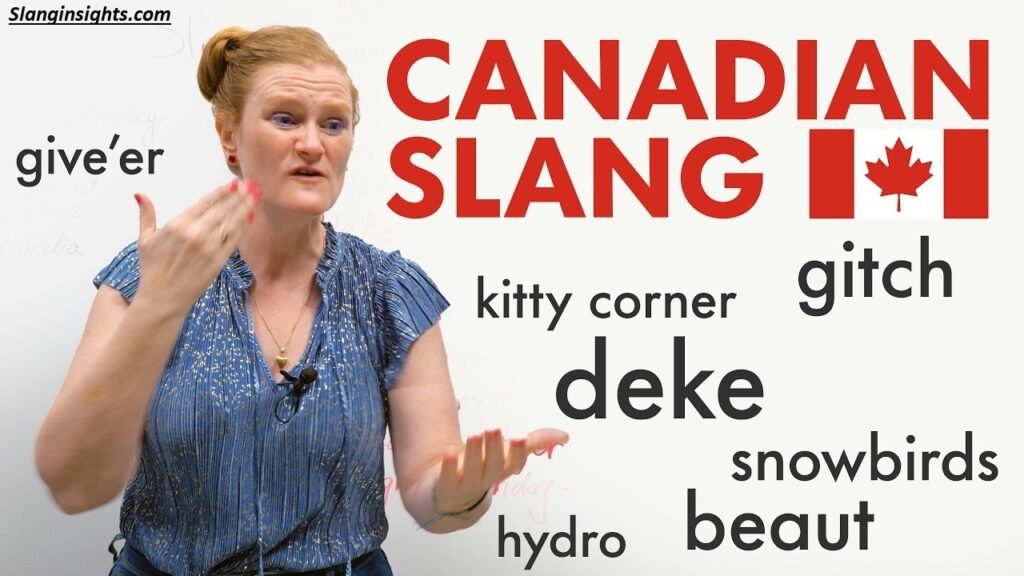
Mouth-breather Pretty universal insult for someone acting dumb, but I heard it constantly in Canada specifically. Means someone slow on the uptake.
Knob / Knob-head A slightly harsher one, more common with British influence but definitely used in Canada too, especially Ontario and out east. Basically calling someone an idiot or a jerk. This one can actually offend people depending on tone, so be careful with it.
Newfie (context matters a LOT here) This one I want to flag carefully. It refers to someone from Newfoundland, and depending on who says it and how, it can be either a term of regional pride or a genuine slur used to mock Newfoundlanders as unintelligent. If you’re not from there, tread very carefully. I avoided using this one entirely after a local explained the history to me over dinner in St. John’s.
Buttertart (used sarcastically) Not super common but I heard it a couple times used sarcastically toward someone acting soft or overly sensitive. Regional, mostly Ontario in my experience.
Skid Heard this a lot in Ontario, specifically referring to someone who looks rough, sketchy, maybe into drugs, hanging around a mall or a bus stop. It’s judgmental and can come off as classist, so I’d personally avoid throwing this one around.
Chirping Not an insult itself, it’s the act of trash-talking or teasing someone, usually in a hockey context but it bled into everyday language everywhere I went. “Stop chirping me” means stop mocking or teasing.
The Mistake I Made (So You Don’t Have To)
About three weeks into living in Toronto, I tried using “hoser” on a coworker who was maybe 24 years old. He looked at me completely blank, like I’d spoken another language.
Lesson learned: a lot of this slang is generational or regional. What Dave used casually in Manitoba wasn’t landing the same way with a younger guy in downtown Toronto. Canada is massive, and slang shifts hard between provinces, cities, and age groups.
So here’s my actual advice if you’re trying to use this stuff naturally instead of sounding like you read it off a listicle (like this one, ironically):
Listen Before You Speak
Seriously, just absorb it for a bit. Go watch some Canadian shows, “Letterkenny” is basically a masterclass in regional Canadian insults and slang, way more accurate than most YouTube explainer videos. “Kim’s Convenience” is good for Toronto-specific stuff. Even hockey broadcasts on TSN will throw slang around constantly during commentary.
Pay Attention to Tone, Not Just Words
Half of these insults flip meaning entirely based on how they’re said. “Beauty” said flatly is genuine praise. “Beauty” said with a slow eye-roll is mockery.
Test It On Close Friends First
Don’t debut new slang on a stranger or in a professional setting. I tried “gong show” in a client meeting once before I fully understood it was casual, and it landed weird. Save the newer stuff for people who already know you’re joking around.
Know the Regional Lines
East coast slang (Newfoundland, Nova Scotia) is wildly different from Prairie slang (Manitoba, Saskatchewan) which is different again from Ontario or BC slang. Don’t assume something you heard in Vancouver works the same in Halifax.
When In Doubt, Just Ask
Genuinely, Canadians I met were happy to explain their own slang when I asked directly. Nobody got offended by curiosity. It’s the confidently-wrong usage that gets you side-eyed.

Common Mistakes People Make With This Stuff
Assuming it’s all harmless. Some terms, like “Newfie” or certain regional labels, carry real weight depending on history and who’s saying them. Don’t treat every word as a cute Canadian quirk.
Using outdated slang and thinking it’s current. “Hoser” is basically vintage at this point, more of a cultural reference than daily speech for a lot of younger Canadians.
Copying tone without understanding context. I’ve seen people online try to sound Canadian by throwing “eh” and “hoser” into every sentence, and it comes off try-hard rather than authentic.
Forgetting regional differences exist. Canada isn’t one big cultural blob. A term that’s totally normal in Alberta might get you a confused stare in Quebec (which, by the way, has its own entirely separate slang scene rooted in French, that’s a whole different article).

Where I’d Actually Recommend Learning More
If you want real exposure instead of a Wikipedia-style list, here’s what actually helped me:
- Letterkenny (available on Hulu in the US, Crave in Canada) for small-town Ontario slang, chirping culture, and general banter
- Reddit’s r/AskACanadian — I lurked there constantly and people are refreshingly honest about what’s real slang versus what’s a stereotype
- Actually talking to people. Sounds obvious, but nothing taught me faster than getting mildly roasted by coworkers for using the wrong term at the wrong time
FAQ’s
What are Canadian slang insults?
Canadian slang insults are informal expressions used to tease, mock, or criticize someone. Some are playful among friends, while others can be offensive depending on the context, tone, and region.
What is the most common Canadian insult?
One of the best-known Canadian insults is “hoser,” which refers to someone considered foolish, lazy, or uncool. Other commonly heard terms include “goof,” “tool,” and “dummy.”
Is “goof” a serious insult in Canada?
Yes, it can be. While some people use “goof” casually to mean someone who is silly, in certain parts of Canada—especially within prison or street culture—it is considered a very serious insult. It’s best to avoid using it unless you understand the context.
Are Canadian slang insults different from American slang?
Yes. Although Canada shares many slang terms with the United States, it also has unique expressions shaped by Canadian culture, French influence, and regional dialects. Words like “hoser” are strongly associated with Canada.
Can tourists use Canadian slang insults?
It’s generally better to avoid using Canadian slang insults unless you’re familiar with their meaning and how they’re used locally. Some expressions are harmless jokes, while others may offend people if used incorrectly.
Conclusion
Canadian slang insults are a colorful part of everyday language and reflect the country’s diverse cultural influences and regional identities.
Some terms are playful and used among close friends as lighthearted teasing, while others carry stronger meanings and should be used with caution.
Because the meaning of a slang insult often depends on tone, location, and the relationship between the speakers, understanding the context is just as important as knowing the word itself.
Popular insults like “hoser” have become iconic in Canadian culture, while words such as “goof” may have very different meanings depending on where they’re used.
Social media, television, sports, and local communities continue to shape how these expressions evolve and spread across the country.
Whether you’re visiting Canada, chatting with Canadian friends, or simply curious about regional English, learning Canadian slang insults can help you better understand conversations and avoid misunderstandings.
Remember that slang changes over time, and what sounds humorous in one setting may be considered rude in another.
Using these expressions respectfully and with cultural awareness will help you communicate more naturally while appreciating the unique character of Canadian English.