Drop the Addy Meaning What This Popular Slang Really Means

Here’s a 100-word paragraph starting with your keyword:
Drop the addy meaning refers to a common phrase used in texting and social media where someone asks another person to share their address.
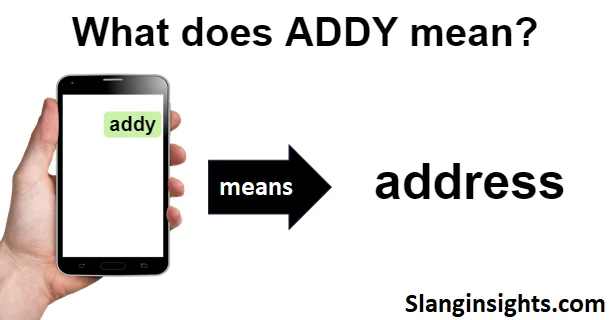
“Addy” is simply shorthand slang for “address,” and “drop” means to send or share it in a message. This phrase is frequently used when making plans to meet up, send a gift, deliver food, or visit someone’s home.
It’s casual, informal language often seen in texts, DMs, or comments online.
While usually harmless between friends or trusted contacts, it’s wise to be cautious about sharing your address with strangers online, as personal safety should always come first.
Table of Contents
Quick Table
| Term | Meaning |
|---|---|
| Addy | Slang for “address” |
| Drop the addy | Asking someone to share/send their address |
| Drop | To send or share something (in texting slang) |
| Common context | Meetups, deliveries, gifts, hangouts |
| Platform usage | Texting, DMs, social media comments |
| Tone | Casual, informal |
| Safety note | Avoid sharing address with strangers online |
The Day I Finally Figured Out What “Addy” Means
So picture this. I’m scrolling through the comments on a friend’s Instagram post last year, and someone writes “drop the addy” under a photo of a cute apartment setup.
My brain just stopped. Addy? Like the ADHD medication? Was this some weird drug reference I wasn’t getting?
Turns out, nope. Nothing that dramatic. I felt kind of silly once I figured it out, honestly.
If you’ve landed here because you saw this phrase somewhere — a group chat, a TikTok comment, a Discord server, or even a text from your cousin — and you’re sitting there like I was, confused and slightly worried you’re missing some internet code, don’t worry. I’ve got you.

So What Does It Actually Mean?
“Addy” is just slang for address. That’s it. That’s the whole mystery.
“Drop the addy” simply means “share your address” or “give me your location/address.” People say it when they want to send you something, come visit you, meet up, or ship you a package.
It’s the internet-speak, shortened version of asking “hey, can you send me your address?” Except nobody types that whole sentence out anymore because apparently we’re all in a hurry.
I remember the first time I actually used it myself — I was coordinating a birthday gift for a friend who’d just moved cities, and I texted her “drop the addy so I can mail this lol” without even thinking twice about it.
It’s become that normal in casual texting now.
Where You’ll Actually Hear This Phrase
This isn’t some rare slang term you’ll only see once in a blue moon. Once you know what it means, you’ll start noticing it everywhere:
Instagram and TikTok comments — Someone posts a cool product, an outfit, or their new setup, and people comment “drop the addy” as a joke (they don’t actually want your home address, they usually mean a link or store name — more on that mix-up below).
Group chats — Planning a hangout, sending a gift, or organizing a meetup. Classic use case.
Online selling and reselling — If you buy something from someone on Depop, Facebook Marketplace, or through a Discord trading server, sellers will ask you to “drop your addy” so they know where to ship.
Dating apps and new friendships — Once things get comfortable enough, someone might ask you to drop your addy so they can send flowers, a card, or plan to visit.
Wait, There’s a Twist — Context Really Matters
Here’s the thing that tripped me up initially, and it might trip you up too. “Drop the addy” doesn’t always mean your literal home address.
Sometimes people use it to mean:
- A website link (“drop the addy for that store” = share the website URL)
- A social media handle or profile link
- An email address
- Occasionally even a crypto wallet address (in trading or NFT communities, this one’s huge)
Yeah, I know. Same phrase, completely different meaning depending on where you’re hearing it.
I actually got this wrong once in a crypto-adjacent Discord server. Someone said “drop your addy” and I genuinely started typing out my home address before someone quickly clarified they meant my wallet address for a giveaway.
Would’ve been an awkward mistake to send my street address to a random stranger online.
Lesson learned: always check the context before you type out anything personal.
Step-by-Step: How to Respond When Someone Asks You to “Drop the Addy”
If you’re not sure what to do when this phrase pops up, here’s a simple approach I now follow every time:
Step 1: Figure out the context first. Look at the conversation. Are you talking about shipping a gift? Buying something online? Talking crypto or NFTs? That’ll tell you what kind of “addy” they’re actually asking for.
Step 2: Ask if you’re unsure. There’s zero shame in typing “addy as in my home address, or something else?” It takes two seconds and saves you from embarrassment or worse, oversharing sensitive info.
Step 3: Only share personal info with people you trust. This one’s important. If it’s a random account, an unfamiliar seller, or someone from a public comment section asking for your actual home address, be cautious. Scammers absolutely use this friendly, casual phrasing to seem less suspicious.
Step 4: Use safer alternatives when needed. If you’re selling something online or shipping to someone you don’t fully trust yet, consider using a PO Box, a locker service like Amazon Hub, or even asking the platform (like Depop or Etsy) to handle shipping labels directly so your full address isn’t floating around in a random chat.
Step 5: Reply naturally. Once you know what’s being asked, just respond casually: “Sure, dropping it now” and send the info through DMs, not public comments, especially for home addresses.
Real Examples I’ve Actually Seen
Let me give you a few real-world style examples so this clicks even more:
Example 1 (Gift-giving): Friend: “It’s your birthday next week, drop the addy so I can send something” You: totally normal, just send your mailing address privately.
Example 2 (Online shopping): Someone in a Facebook buy-and-sell group: “Sold! Drop your addy and I’ll ship tomorrow.” This is completely standard for online marketplace transactions.
Example 3 (Social media comment): Comment under a photo of cute stationery: “omg drop the addy” Here, they usually mean the online store, not your actual house. This is the one people get wrong most often.
Example 4 (Crypto/NFT space): “Giveaway time! Drop your addy below to enter” This means your crypto wallet address, not your home address. Big difference.
Common Mistakes People Make With This Phrase
I’ve made a few of these myself, and I’ve seen friends stumble too, so here’s what to watch out for:
Assuming it always means home address. As shown above, it really depends on the platform and context. Always double check before sharing anything.
Sharing your home address publicly in comments. If someone asks you to “drop the addy” in a public comment section, do NOT reply there with your actual street address. Move it to DMs at minimum, or better, a private messaging app.
Not verifying who’s asking. Scammers love casual slang because it feels friendly and low-pressure. If a stranger you just started talking to online suddenly wants your address “to send you something amazing,” pump the brakes. Ask questions. Trust your gut.
Confusing it with actual Adderall slang. Yeah, this happens. “Addy” is also common slang for Adderall in some contexts. So depending on where you see the phrase, context matters even more here. If someone’s talking about studying, exams, or medication in the same conversation, “addy” might mean something completely different. Reading the full conversation always helps clear this up.
A Quick Word on Online Safety
I’m not trying to scare anyone off from using this phrase or sharing info online — people do it every day safely. But a few basic habits go a long way:
- Never share your home address in public comments or forums.
- Use direct messages or private chat apps instead.
- If you’re shipping something to a stranger through marketplace apps, use the platform’s built-in shipping tools when available (Etsy, Depop, and eBay all offer this).
- For crypto stuff, always double, triple check wallet addresses before sending anything. One wrong character and your funds are gone for good.
FAQ’s
What does “drop the addy” mean?
“Drop the addy” is slang for asking someone to share their address, usually so plans can be made for a visit, delivery, or meetup.
Where is this phrase commonly used?
It’s most often used in texting, direct messages (DMs), and comments on social media platforms like Instagram, TikTok, and Snapchat.
Is “addy” only used for physical addresses?
Typically, yes — “addy” refers to a physical or mailing address, though in some contexts it can also loosely refer to other contact details.
Is it safe to “drop the addy” when someone asks?
It depends on who’s asking. Sharing your address with close friends or trusted contacts is usually fine, but it’s best to avoid giving out this information to strangers or people you’ve only met online.
Is “drop the addy” only used by younger generations?
While it’s especially popular among Gen Z and in online slang culture, the phrase has become widely understood across different age groups due to its frequent use in texting and social media.
Conclusion
“Drop the addy” is a simple yet widely used phrase in modern texting and social media slang, reflecting how casual, shorthand language has become in everyday digital communication.
At its core, it’s just an informal way of asking someone to share their address, whether it’s for a meetup, a delivery, or sending a gift.
The phrase highlights how quickly slang evolves and spreads across platforms like TikTok, Instagram, and text messaging, especially among younger audiences.
While the phrase itself is harmless, it’s a good reminder to stay mindful about personal safety when sharing sensitive information like your home address, especially with people you don’t know well online.
Context and trust matter most when deciding whether to respond to this kind of request.
Understanding slang like “drop the addy” not only helps you keep up with current online communication trends but also ensures you can navigate conversations, texts, and social interactions with confidence and clarity.