Mustache Nicknames 101 A Complete Guide for Every Type of ‘Stache

Mustache nicknames have been part of grooming culture for generations, giving personality to one of the most iconic facial hair styles.
Some of the most popular include “stache,” a simple shorthand everyone recognizes, and “cookie duster,” a playful jab at crumbs getting caught in the hair.
Others like “soup strainer” and “flavor saver” poke fun at mustaches near the mouth during meals, while “lip sweater” and “face fuzz” describe the look itself.
Style-specific names such as “handlebar,” “horseshoe,” and “walrus” refer to shape rather than humor. Whether affectionate or teasing, these nicknames add character and charm to mustache culture worldwide.
Table of Contents
Quick Table
| Nickname | Type |
|---|---|
| Stache | General |
| Mo / Mo’ | General |
| Cookie duster | Playful |
| Soup strainer | Playful |
| Flavor saver | Playful |
| Lip sweater | Playful |
| Face fuzz | Playful |
| Whisker biscuit | Playful |
| Lip rug | Playful |
| Crumb catcher | Playful |
| Nose neighbor | Playful |
| Handlebar | Style |
| Horseshoe | Style |
| Walrus | Style |
| Chevron | Style |
| Fu Manchu | Style |
| Pencil | Style |
| Pyramid | Style |
| Pornstache | Slang |
| Tickler | Slang |
How My First Mustache Introduced Me to a Whole New Vocabulary
I grew up my first real mustache back in college, mostly because I lost a bet with my roommate.
Terrible decision, honestly — it came in patchy on one side and looked like a caterpillar that had given up halfway through a journey. But here’s the weird part: within a week, everyone in my dorm had a different name for it.
My buddy Marcus called it “the pornstache.” My sister, over video call, called it “the creeper.” My grandma, bless her, called it “distinguished.”
That’s when I realized mustache nicknames aren’t just jokes. They’re basically a whole language, and if you’re growing one, dealing with one, or just curious about the culture around them, it helps to actually know what’s out there.

Why Mustaches Even Have Nicknames In The First Place
Think about it — no other piece of facial hair gets this much verbal attention. Nobody’s giving your sideburns a personality. But a mustache sits right there, front and center, doing a lot of visual work on your face.
It changes how people read your expression, your age, even your personality at a glance.
So naturally, people started categorizing them. Some names come from history (military guys had specific styles), some come from movies, some from memes, and some are just what your friends make up because they think it’s funny.
I’ve spent enough time around barbershops and grooming forums to notice the same names popping up over and over. Let me walk you through the real ones people actually use.
The Classic Nicknames You’ll Actually Hear
The Pornstache Yeah, I had to lead with this one because it’s probably the most commonly used slang term out there. It’s usually a thick, full mustache without much shaping — think 1970s vibe. My barber uses this term constantly, half-joking, when a client wants something “bold but not too neat.”
The Handlebar This is the one with curled-up ends, often waxed. I tried growing one of these for a costume party once and learned real quick that you need actual mustache wax (I used Firehouse Wax after a friend recommended it) or the ends just droop like sad noodles by lunchtime.
The Horseshoe This connects down the sides of the mouth to the chin — think biker or wrestler look. Hulk Hogan basically made this his entire brand. It’s a commitment style; you can’t half-do a horseshoe.
The Chevron Thick, straight across, no curl, covers the whole upper lip. Tom Selleck is the poster child here. This one gets nicknamed “the Selleck” unofficially in a lot of grooming circles, even though that’s not its “official” name.
The Pencil Thin, precise line above the lip. Think old Hollywood, gangster-movie style. This one’s deceptively hard to maintain — I tried it for two weeks and had to trim it literally every single day or it looked messy instead of sharp.
The Toothbrush Small, square, sits right under the nose. I won’t even go into why most people avoid this style now — let’s just say certain historical figures ruined it for everyone.
The Walrus Big, bushy, hangs down over the lips. Named exactly what you think it’s named after. Requires patience and a good beard comb because it tangles.
The Fu Manchu Long strands that hang down past the chin on both sides, no connection to a beard. Very stylized, very much a “you need to commit to this” look.
The English Mustache Thin, long, with slightly upturned tips, usually no mustache on the center of the lip showing much bulk. Classy, old-school, needs waxing to hold shape.
My Personal Experience Trying To Name (And Grow) These
When I actually tried experimenting with different styles over a few months — mostly out of boredom during a work-from-home stretch — I learned some things the hard way.
First mistake: I tried going straight for a handlebar without any patience. You genuinely need at least 4-6 weeks of growth before you have enough length to curl anything.
I tried using wax on mustache hair that was barely a centimeter long, and it just looked greasy, not styled.
Second mistake: I didn’t trim the edges regularly. A chevron mustache (the Selleck-style one) looks intentional only if the bottom edge is trimmed clean.
Otherwise it just looks like you forgot to shave, which is a totally different vibe than “distinguished gentleman.”
Third thing I learned — apps and tools actually help here. I started using the “MakeMeOver” app just to preview styles before committing, since growing out a mustache takes weeks and you don’t want to realize a month in that it doesn’t suit your face shape.
There’s also a subreddit, r/Mustache, where people post their growth journeys and it’s honestly a great place to see real, non-airbrushed examples of these styles on regular faces, not just celebrities.
Step-By-Step: How To Figure Out Which Nickname Fits Your Style
If you’re trying to grow into one of these named styles instead of just letting it happen randomly, here’s roughly what worked for me and a few friends who went through the same thing:
Step 1: Let it grow untouched for 3-4 weeks minimum. I know this is the hardest part because it looks awful in weeks 2 and 3. Just push through. Trimming too early is the most common mistake — you can’t shape something that isn’t long enough yet.
Step 2: Take a photo every Sunday. This sounds excessive but it genuinely helps you see progress you can’t notice day-to-day. I used my phone’s regular camera, nothing fancy.
Step 3: Pick a reference style, not a vague idea. Instead of saying “I want something bold,” say “I’m going for a Chevron” or “I want the horseshoe.” Having an actual name gives your barber something concrete to work with too.
Step 4: Invest in one grooming tool. For most styles, a decent trimmer with adjustable guards (I use a Philips Norelco OneBlade) handles 90% of maintenance. For handlebar or Fu Manchu styles, you’ll also want mustache wax and a small comb.
Step 5: Get a barber’s opinion once you’re 5-6 weeks in. This is when shape actually starts to matter. A barber who does a lot of facial hair work can tell you if your face shape suits a horseshoe versus a chevron, for example. Round faces tend to do better with styles that add length, like the Fu Manchu or English mustache, while square faces can pull off bolder, fuller styles like the walrus or pornstache.
Common Mistakes People Make With Mustache Styles
I’ve made most of these myself, and seen friends make the rest:
- Trimming too early and too often. Patience matters more than people think.
- Ignoring face shape. A style that looks amazing on Tom Selleck won’t automatically look amazing on you.
- Skipping wax for styles that need it. Handlebar and English mustaches basically require it. Without it, they just look unkempt, not styled.
- Not cleaning it after eating. This sounds minor but a mustache holds onto food and drink way more than people expect. Soup, coffee, anything liquid — it collects.
- Copying a nickname style without understanding maintenance time. The horseshoe and walrus styles genuinely need daily attention. If you’re not into that kind of upkeep, go simpler.
Some Fun, Less Common Names You Might Run Into
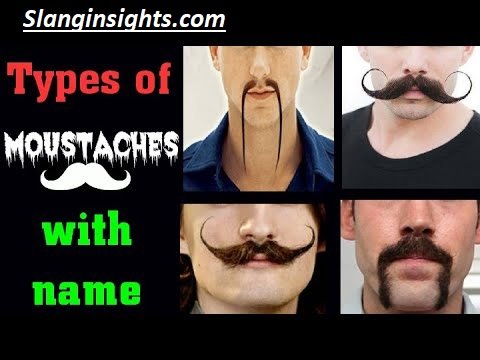
Beyond the big ones, there are regional and cultural nicknames too. In some grooming circles you’ll hear “the Dali” for those extremely thin, upward-curled styles inspired by Salvador Dali’s iconic look.
There’s also “the Zorro” for thin, villain-style mustaches, and “the lampshade” as a joke term for mustaches that are too wide and droopy without shape.
None of these are strictly official categories — they’re more like nicknames that caught on because people needed a quick way to describe a look without writing a paragraph.
FAQ’s
What is the most common nickname for a mustache?
“Stache” is by far the most widely used nickname, valued for being short, casual, and universally understood.
Why is a mustache called a “cookie duster”?
The term is a humorous nod to crumbs or food particles getting caught in the mustache while eating, especially cookies or other crumbly snacks.
What do you call a big, bushy mustache?
A large, thick mustache is often called a “walrus” due to its resemblance to the facial hair of the animal, drooping over the lips.
Are mustache nicknames different across cultures?
Yes. For example, the French use “moustache,” Germans say “Schnurrbart” (meaning “purr beard”), and Spanish speakers use “bigote,” each reflecting their own linguistic flavor.
What’s a funny slang term for a mustache?
“Flavor saver” is a popular funny term, jokingly suggesting the mustache “saves” bits of food or flavor from meals for later.
Conclusion
Mustache nicknames are more than just playful words—they reflect culture, humor, and personal style all rolled into one.
From simple terms like “stache” and “mo” to funnier options like “cookie duster” and “soup strainer,” these nicknames add character to an already iconic grooming choice.
Style-specific names such as “handlebar,” “horseshoe,” and “walrus” go a step further, describing the exact shape and structure of the facial hair itself.
Meanwhile, cultural variations like the French “moustache” or German “Schnurrbart” show how deeply this style is woven into different languages and traditions.
Whether you’re looking for something silly to call your own mustache or want a fun way to describe someone else’s, there’s no shortage of creative options.
These nicknames make mustache culture more relatable, humorous, and expressive, whether used online, among friends, or just as playful banter.
Ultimately, a mustache is more than facial hair, it’s a personality statement, and its nicknames prove just how much fun people have with it.