50 Slang Words for Friend You Need to Know Today
Slang words for friend come in many fun and colorful forms across different cultures and generations. Some popular ones include “bestie,” “bro,” “dude,” and “mate,” which are widely used in casual conversations.
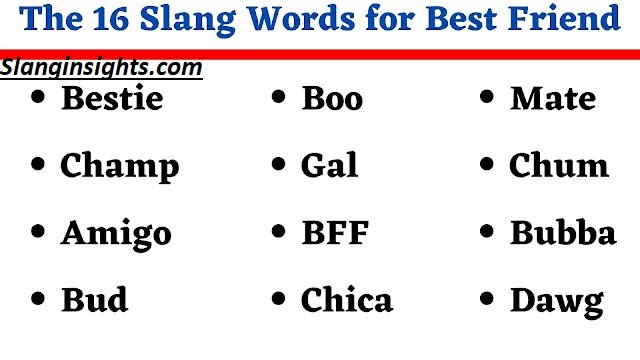
Others like “homie,” “pal,” “buddy,” and “amigo” add a friendly, laid-back vibe. In British slang, you might hear “mate” or “chum,” while American slang often uses “bud” or “fam” to describe close friends.
Gen Z has introduced newer terms like “bestie” and “ride or die” to express deep friendship.
Whatever the term, these slang words for friend capture warmth, closeness, and camaraderie shared between people who truly have each other’s back.
Table of Contents
Quick Table
| Slang Word | Origin/Region | Meaning |
|---|---|---|
| Bestie | General/Gen Z | Best friend |
| Bro | American | Close male friend |
| Mate | British/Australian | Friend |
| Homie | American (urban) | Close friend from your area |
| Pal | General | Friend |
| Buddy | American | Friend |
| Amigo | Spanish | Friend |
| Chum | British (older) | Close friend |
| Fam | American slang | Close friend/family-like |
| Ride or die | Gen Z | Loyal friend till the end |
My Journey Into Modern Friend Slang
So my nephew texted me last week and called me his “goat.” Took me a solid five minutes and one confused Google search to realize he wasn’t insulting me. He meant I was the Greatest Of All Time.
That’s the moment I realized how far behind I’d fallen on friend slang, and honestly, it sent me down a rabbit hole I didn’t expect.
I ended up spending way too many hours scrolling TikTok comments, texting my younger cousins “what does this mean,” and cross-checking with Urban Dictionary just to make sense of half my group chat.
So I figured I’d save you the trouble and put together everything I actually learned — the real ones people use, where they came from, and which ones will make you sound like you’re trying way too hard.
Why Friend Slang Even Matters
Here’s the thing. Slang for “friend” isn’t just about sounding cool. It’s a whole vibe thing. The word you pick tells people something about your relationship, your region, your age group, even your mood in that moment.
Calling someone “bro” hits different than calling them “bestie.” And calling someone your “ride or die” carries way more weight than just saying “pal.”
I learned this the hard way when I called a coworker my “homie” in a meeting and got a look that could freeze water.
Context matters. A lot.
The Classic, Still-Solid Options
These are the ones that never really go out of style. You can use them almost anywhere without raising eyebrows.
Buddy – Safe, friendly, works in almost any setting. My dad still says this and it somehow never sounds outdated.
Pal – A little old-school but still charming. Feels very “diner conversation” to me.
Mate – Huge in the UK, Australia, and honestly catching on everywhere thanks to shows like Peaky Blinders and just general internet exposure. I started saying this after binge-watching too much Australian YouTube content and now it just slipped into my vocabulary permanently.
Amigo – Borrowed from Spanish, used casually in English conversation, especially in the US.
Chum – Rare these days, kind of gives “vintage cartoon” energy, but some people still use it ironically.

The Ones That Actually Blew Up Online
This is where it gets interesting. Social media completely reshaped how we talk to and about our friends.
Bestie – Started as “best friend” shortened, but now people use it for literally anyone, even strangers on TikTok comments. I’ve seen people call customer service reps “bestie” as a joke. It’s become almost sarcastic sometimes, which is funny because it started so sincere.
Bro / Bruh – “Bro” is used for actual close friends, but “bruh” evolved into more of a reaction word too (like “bruh, are you serious right now”). I mix these up constantly and my texts probably look chaotic because of it.
Homie – Rooted in hip-hop culture, originally short for “homeboy.” Means someone from your neighborhood or close crew. Use with caution outside casual settings — learned that one at work, remember?
Fam – Short for “family,” but used for close friends who feel like family. Feels warm, feels genuine. I use this one a lot honestly.
Squad – More about the group than one individual. “My squad” means your whole friend circle, not just one person.
Ride or die – Someone who’s loyal no matter what. Heavy phrase, don’t throw it around lightly. This one actually means something when people say it seriously.
GOAT – Yeah, the one that confused me. Stands for Greatest Of All Time, used as a compliment for a friend who’s just consistently amazing.
Regional Flavor (This Part Surprised Me)
I didn’t realize how geography-specific some of these are until I actually asked people from different places.
- Boo or cuz – common in parts of the US, especially urban slang
- Bro – universal now, but originally more East Coast US
- Mate – Australia, UK, New Zealand
- Yaar – South Asian slang (Hindi/Urdu), means friend, super common in India and Pakistan
- Buddy – American, casual, everywhere
- Chief or Boss – sometimes used playfully for a friend, especially in African American Vernacular English
If you’re traveling or chatting online with people from different countries, this stuff actually matters. I once called a friend from London “buddy” and he just laughed and said “we don’t really say that here, mate.”

Step-by-Step: How to Actually Use These Without Sounding Awkward
I made mistakes here, so let me save you some embarrassment.
Step 1: Read the room first. Don’t jump straight into slang with someone you just met. Let the relationship build naturally before throwing around “bestie” or “fam.”
Step 2: Match their energy. If someone texts you casually with lots of slang, mirror that. If they’re more formal, dial it back. I learned this after a friend responded to my “yo bro” with a very dry “hello.”
Step 3: Know your platform. Slack message to a coworker? Stick with “buddy” or nothing at all. Group chat with college friends? Go wild with “bestie,” “homie,” whatever fits.
Step 4: Don’t force regional slang you’re not familiar with. I tried using “yaar” once after hearing it from a friend and it just felt off coming from me. Some slang belongs to specific cultures and communities — respect that instead of forcing it.
Step 5: Watch how younger people use terms before adopting them. Slang moves fast. What was cool two years ago might already feel dated. Following creators on TikTok or just paying attention to Gen Z conversations helped me stay somewhat current (emphasis on somewhat).
Real Examples From My Own Texts
Here’s an actual exchange I had recently, lightly edited for privacy:
Me: yo bestie you free this weekend Friend: bruh yes finally, missed you fr Me: same, ride or die energy only Friend: goat behavior fr fr
Would this conversation have made sense to me two years ago? Absolutely not. Does it make sense now? Somehow yes.
Common Mistakes People Make
Using outdated slang thinking it’s current. “Homeslice” and “amigo” (in a forced way) can come across try-hard if you’re not naturally part of that culture or generation.
Overusing intense terms. “Ride or die” and “soulmate friend” type phrases lose meaning if you say them about every single person you know.
Ignoring context/setting. Slang for a friend in a text is very different from slang for a friend during a work event or family gathering. I’ve seen people slip up here and it gets awkward fast.
Copying slang without understanding origin. A lot of modern slang, especially “bruh,” “fam,” and “homie,” comes from Black American culture and hip-hop. It’s fine to use casually if it’s part of your natural speech, but understanding where it comes from matters, and using it respectfully matters more.
Tools That Actually Helped Me Keep Up
If you’re genuinely curious and want to stay updated (like I did), here’s what worked:
- Urban Dictionary – Not always accurate, but good for quick definitions and origin guesses.
- TikTok comment sections – Honestly one of the best places to see slang in real, live use.
- Genius.com – Great for understanding slang used in song lyrics, especially hip-hop and rap.
- Just asking people – Sounds obvious, but literally texting younger cousins or coworkers “what does this mean” got me the most accurate, real-time answers.
FAQ’s
What is the most common slang word for friend?
“Bestie” and “bro” are among the most widely used slang words for friend today, especially in casual conversations and on social media.
What do British people call their friends?
In British slang, friends are often called “mate” or “chum,” reflecting a casual and warm tone.
Is “homie” still used today?
Yes, “homie” remains popular, especially in American urban culture, referring to a close friend from your neighborhood or background.
What slang term do Gen Z use for a close friend?
Gen Z often uses “bestie” or “ride or die” to describe someone they trust deeply and consider a loyal friend.
Are slang words for friend different across cultures?
Absolutely. Every culture has its own unique terms, like “amigo” in Spanish or “mate” in Australian English, showing how friendship is expressed differently worldwide.
Conclusion
Slang words for friend reflect the diverse and evolving nature of language across cultures and generations. From “bestie” and “bro” to “mate” and “amigo,” these terms capture the warmth, trust, and closeness shared between friends.
Whether you’re chatting with someone from the UK, the US, or Latin America, each slang word carries its own cultural charm and meaning.
Gen Z has added fresh expressions like “ride or die,” showing how friendship slang continues to grow with modern trends and social media influence.
Understanding these slang words for friend not only helps you communicate more naturally but also gives insight into how different communities express loyalty and connection.
Whether you’re writing content, chatting casually, or simply curious about global slang, knowing these terms adds color and authenticity to your conversations.
In the end, no matter what word you use—bestie, mate, homie, or amigo—the meaning stays the same: someone who stands by you, understands you, and makes life more enjoyable.
Slang words for friend truly show how universal the bond of friendship is, no matter where you are in the world.