80’s Slang Words Vintage Expressions, Origins, and Meanings You Need to Know
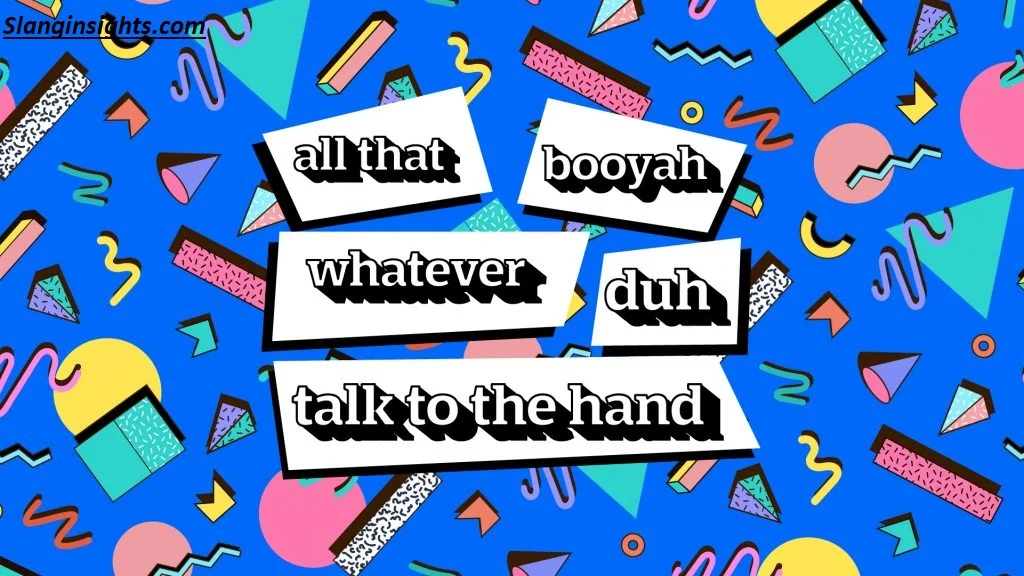
80’s slang words reflect the bold, colorful culture of the 1980s, filled with music, movies, and youth trends.
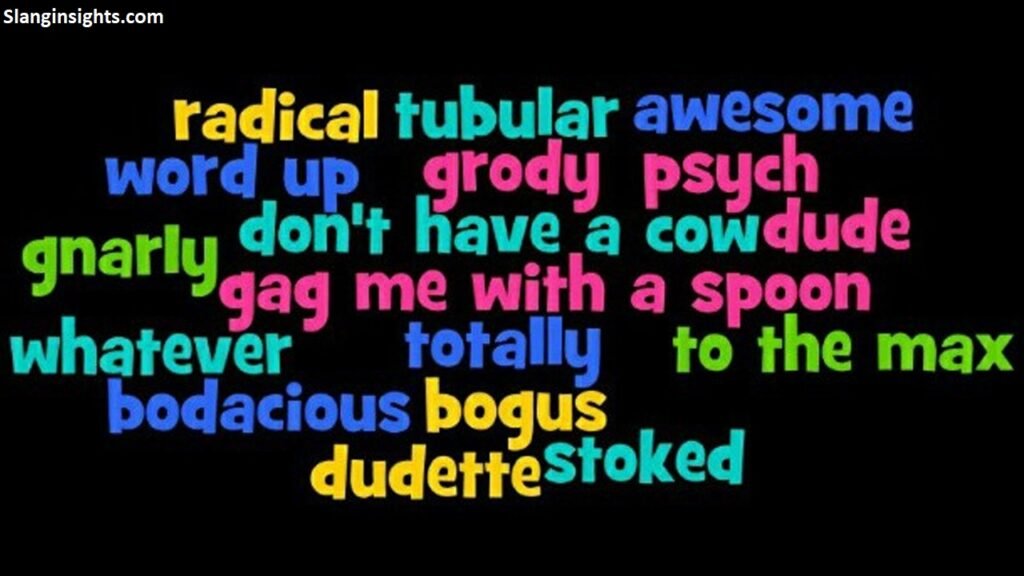
Popular expressions included “totally rad” (awesome), “gnarly” (extreme or cool), “grody” (gross), “bogus” (unfair or bad), and “tubular” (excellent). People also used “take a chill pill” to calm someone down and “gag me with a spoon” to show disgust.
Skaters, surfers, and pop culture heavily influenced these phrases, making them fun and expressive. Many 80’s slang words came from California youth culture and MTV generation energy.
Even today, these retro terms are used for humor, nostalgia, and vintage-style communication in modern conversations.
Table of Contents
Quick Table
| Slang Word | Meaning |
|---|---|
| Totally rad | Awesome or excellent |
| Gnarly | Extreme, cool, or harsh |
| Bogus | Fake or unfair |
| Grody | Gross or disgusting |
| Tubular | Amazing or excellent |
| Chill out | Calm down |
| Gag me with a spoon | Strong disgust |
| Totally | Completely or very |
| Duh | Obvious statement |
| Bodacious | Impressive or bold |
| Ace | Excellent or top-quality |
| Airhead | Someone not smart |
| Groovy | Cool or stylish |
| Skate rat | Skateboard enthusiast |
| Phat | Really good or cool |
How I Fell in Love with 80s Slang
My uncle Danny still says “gnarly” when something impresses him. Every single time, my younger cousins exchange that look — the one that means did he just say that? — and then try to hold back a laugh.
But here’s the thing: I always understood exactly what he meant. Because growing up, I spent summers at his place watching VHS tapes of old movies and listening to him relive stories about his teenage years in 1985.
That’s how I first got hooked on 80’s slang. Not through a textbook. Not through a YouTube video. Through a guy in a faded Duran Duran T-shirt who genuinely meant it when he called his lawnmower “bogus” after it broke down.
There’s something magnetic about the language of the 80s. It was loud, it was confident, and most of it made zero logical sense — yet somehow you always knew what people meant. Let’s dig into the real stuff.
Why 80’s Slang Still Hits Different
Before I get into the actual words, let me tell you something I noticed while helping my daughter with a school project on pop culture history last year. She had to interview a family member about language from a specific decade.
She picked the 80s, came to me for help, and I pulled up a list of slang from that era.
Her reaction? She recognized half of it.
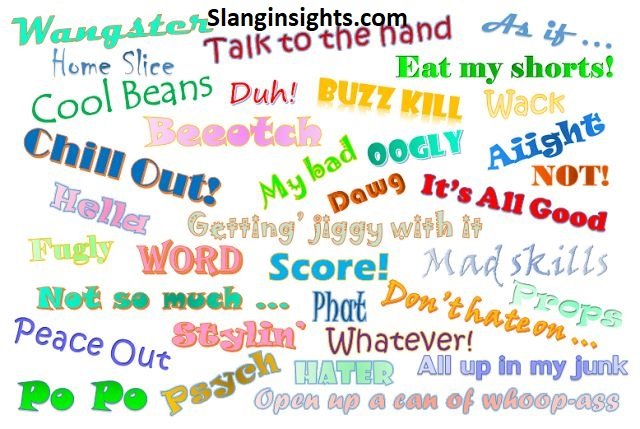
Phrases like “chill out,” “dude,” and “whatever” have survived four decades and are still in daily rotation. Others — like “gag me with a spoon” — have thankfully retired.
But even those dead phrases carry a personality so vivid you can almost hear the voice saying them: a Valley Girl in leg warmers, eyes rolling back, completely over it.
That staying power tells you something. The 80s weren’t just a fashion era. They invented a way of talking that felt like a whole identity.
The Heavy Hitters: Slang You Actually Need to Know
Let’s go through the ones that mattered most — and I’ll tell you how each one was actually used, not just what the dictionary definition says.
Rad
Short for “radical.” Meant something was impressive, exciting, or just plain cool. You’d say it about a skateboard trick, a new jacket, or a really good slice of pizza.
“That kickflip was so rad, man.”
My uncle used this one constantly. He still does. I’ve started saying it ironically and then slowly realized I wasn’t being ironic anymore.
Gnarly
Originally a surfing term that meant a wave was dangerously powerful. In everyday 80s use, it drifted to mean anything intensely good OR intensely bad — context was everything. A gnarly crash could be terrifying. A gnarly guitar solo could be the best thing you’d ever heard.
That flexibility made it one of the most useful words of the decade.
Bodacious
A blend of “bold” and “audacious.” It described someone — usually a woman — who was attractive, confident, and a bit over the top. It showed up in movies constantly, usually said by someone wearing a varsity jacket. Think Bill & Ted’s Excellent Adventure energy.
Bogus
If something was unfair, fake, or just generally terrible, it was bogus. A teacher canceling a field trip was bogus. Getting grounded for something your sibling did was completely bogus.
I taught this word to my daughter after she complained that a teacher had been unfair. She used it the next day at school. Her friends loved it.
Tubular
Here’s one that made less logical sense than almost any other. “Tube” referred to a wave’s curl in surfing slang, so “tubular” meant riding inside that perfect wave — essentially perfection. In broader usage, it just meant something was excellent.
“That pizza was totally tubular.” Yes, people actually said that.
Gag Me With a Spoon
The queen of Valley Girl expressions. It meant something was so disgusting or annoying that you’d rather be force-fed a spoon than deal with it. Pure dramatic disgust. Popularized heavily by Frank Zappa’s daughter Moon Unit in the song “Valley Girl” (1982), which, if you haven’t heard, is worth fifteen minutes of your life.
Grody (to the Max)
“Grody” meant disgusting or gross. Saying something was “grody to the max” was cranking it all the way up — the absolute pinnacle of grossness. A cafeteria lunch could be grody. A friend’s unwashed gym bag? Grody to the max.
Psych!
You’d say something completely convincing, get someone to believe you, and then yell “Psych!” to reveal it was a joke. It was the precursor to “just kidding” — but with more commitment and a much higher payoff.
The cruelest use of “Psych!” I ever heard described involved a kid telling his friend they’d both made the basketball team. They celebrated. Then: “Psych!”
Cold. Absolutely cold.
Mondo
Borrowed from Italian by way of surf and skate culture, meaning “world” — but used to describe something huge or extreme. “Mondo weird.” “Mondo rude.” “That’s a mondo problem, dude.”
It’s one of those words that sounds like it shouldn’t work and yet absolutely does.
Take a Chill Pill
When someone was getting too wound up, stressed, or dramatic, you told them to take a chill pill. Calm down. Relax. Breathe. It’s not that serious. /
This one actually survived the decade — people still say “chill” in roughly the same spirit. The pill part got dropped somewhere around 1995.
Like, Totally
Not technically a single word, but it functioned as one in the 80s. It was an intensifier. Agreement. Emphasis. A way of filling space while sounding enthusiastic.
“I, like, totally want to go.” “He was, like, totally not invited.” The Valley Girl dialect ran almost entirely on “like” and “totally” as load-bearing expressions.
Dweeb / Nerd / Geek (and the Hierarchy Between Them)
These terms weren’t fully interchangeable in the 80s, even if they look similar now. A nerd was academically obsessed. A geek was weird about a specific thing (sci-fi, computers, gadgets).
A dweeb was just… socially unfortunate. All three were used as insults, though by the mid-80s, being called a “computer geek” was starting to get complicated — because computers were becoming cool.
Wicked
This one came heavily from New England but spread nationally. It means “very” or “extremely.” Wicked cool. Wicked fast. Wicked good pizza.
If you’re from Boston, you never stopped using this. If you’re from anywhere else, you picked it up and then dropped it around 1994.
No Duh
The sarcastic response to someone stating something completely obvious. “The sky is blue.” “No duh.” It’s essentially “obviously” with more contempt.
The phrase “no duh” was replaced by “no kidding” and eventually “really??” delivered in the flattest possible tone — but the spirit lives on.
Eat My Shorts
Bart Simpson made this famous slightly later (1989), but variations of it were already circulating in schoolyard culture before The Simpsons gave it a permanent home. It was defiant. It was rude.
And it was absolutely perfect for telling someone to back off without technically saying anything that would get you in trouble.
The Mistakes People Make When Using This Stuff Now
If you’re trying to bring any of these back — or you’re writing something set in the 80s — here’s what trips people up:
Overloading it. You don’t say “that was totally rad, dude, gnarly to the max.” Nobody talked like that. One or two slang terms per conversation, maximum. The people who used five per sentence were always the characters being gently mocked.
Wrong era mixing. “GOAT” and “slay” are not 80s. “Lowkey” and “vibe check” are not 80s. Be careful. If you’re writing fiction set in 1984, anachronistic slang will pull readers right out of the moment.
Using it without the delivery. So much of 80s slang was about how you said it. “Bogus” said flatly is a complaint. “BOGUS” said with full voice crack and dramatic arm gesture is a performance. The decade was theatrical. If you’re going to borrow from it, bring the energy.

What These Words Tell Us About the 80s
Looking back at this list, what strikes me is how physical a lot of this language was. Words like “gnarly,” “tubular,” “radical” — they all came from outdoor sports.
Surfing. Skateboarding. The 80s youth culture was obsessed with movement, with doing things, with bodies in motion.
And the Valley Girl side of it? Completely the opposite — it was interior, emotional, all about how things made you feel. Grody. Gag me. Bogus. The 80s somehow contained both a sporty outdoor energy and a deeply dramatic indoor emotional vocabulary, and both were considered cool depending on your crowd.
That tension between the two is honestly what made the decade interesting. It wasn’t one thing. It was a lot of loud, weird, confident things happening at the same time — and the slang reflected exactly that.
A Few Words That Deserve an Honorable Mention
- Airhead — someone with nothing going on upstairs, but said fondly
- Heinous — extremely unpleasant (Bill & Ted fans know)
- Barf me out — similar energy to “gag me with a spoon,” more vivid
- Dude — somehow said everything, meant everything, required no further explanation
- Fer sure — Valley Girl for “for sure” / absolutely / yes
- Totally awesome — two words that became inseparable
FAQ’s
What are 80’s slang words?
80’s slang words are informal expressions that became popular during the 1980s, often influenced by youth culture, music, movies, surfing, and skateboarding scenes.
What does “rad” mean in 80’s slang?
“Rad” is short for “radical” and means something awesome, exciting, or very cool.
Is 80’s slang still used today?
Yes, some 80’s slang words are still used today, mostly in a humorous or nostalgic way.
Where did 80’s slang come from?
Most 80’s slang came from American teen culture, especially California surfers, skaters, and MTV pop culture.
Why was 80’s slang so popular?
It was popular because it was fun, expressive, and strongly influenced by music videos, movies, and youth trends.
Conclusion
80’s slang words represent one of the most vibrant and creative eras of modern language. The 1980s were a time of bold fashion, energetic music, and rapidly growing pop culture, all of which influenced how people spoke.
Words like “rad,” “gnarly,” “bogus,” and “tubular” became part of everyday conversations, especially among teenagers and young adults. These expressions helped people show emotion quickly, whether it was excitement, disgust, or approval.
Much of 80’s slang came from California surf and skate culture, but it spread worldwide through movies, television, and MTV. This made the language fun, trendy, and easy to copy.
Even today, many of these phrases are remembered or reused for humor, nostalgia, or retro-style communication.
The lasting impact of 80’s slang shows how language constantly evolves with culture. While most of these words are not commonly used in serious conversation today, they still hold a special place in pop culture history.
They remind us of a decade full of creativity, freedom, and expressive youth identity.