Cuban Slang Bad Words The Complete Dictionary of Cuban Curse Words (2026 Guide)
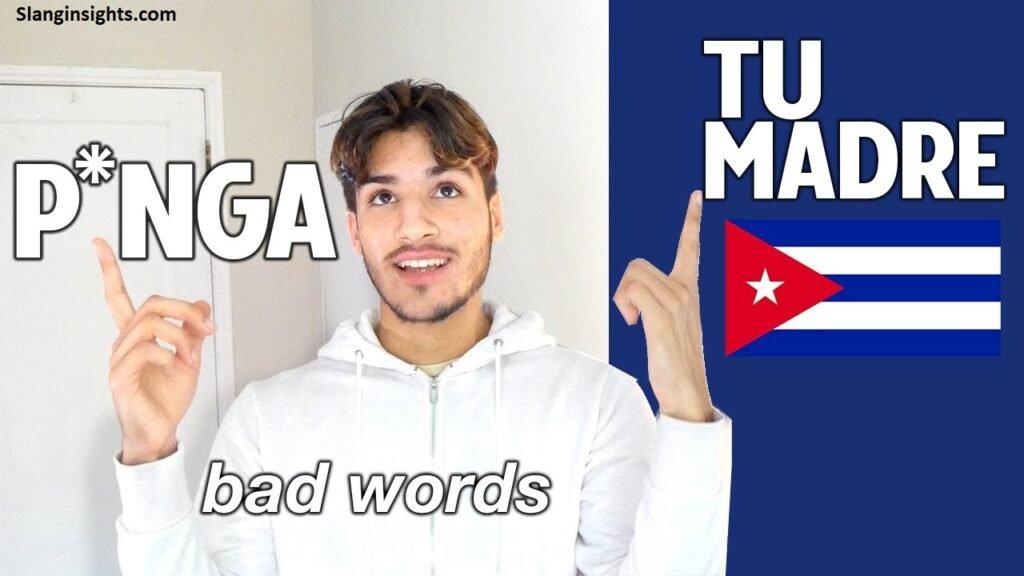
Cuban slang bad words are informal expressions and insults commonly used in everyday conversations across Cuba.
Some popular terms include singao (a strong insult), comemierda (someone arrogant or foolish), pendejo (idiot or fool), cabrón (jerk or tough guy, depending on context), coño (an exclamation expressing anger or surprise), pincha (work, but can have vulgar meanings in some contexts), and carajo (used to show frustration).
These words are often considered offensive and should be used carefully. Understanding Cuban slang bad words can help Spanish learners recognize local expressions and better understand Cuban culture and conversations.
Table of Contents
Quick Table
| Cuban Slang Word | Meaning in English | Usage/Tone |
|---|---|---|
| Singao | Strong insult | Very offensive |
| Comemierda | Arrogant or foolish person | Insulting |
| Pendejo | Idiot, fool | Offensive |
| Cabrón | Jerk, tough guy | Depends on context |
| Coño | Damn!, Wow! | Exclamation |
| Carajo | Hell!, Damn! | Expresses anger or frustration |
| Gilipollas | Stupid person | Insulting |
| Huevón | Lazy or silly person | Informal, mildly offensive |
My Embarrassing Introduction to Cuban Slang
I still cringe thinking about the moment I confidently used a phrase I’d picked up from a Cuban guy at a party in Miami — right in the middle of a family dinner in Santiago de Cuba.
The table went completely silent. The abuela put down her fork. My friend’s cousin started laughing so hard he knocked over his glass of guarapo.
Turns out the phrase I thought meant “this food is amazing” was a very colorful way of talking about someone’s mother. Not the same thing.
That trip turned into an impromptu crash course in Cuban slang — the real stuff, not the textbook Spanish they teach you in class.
And if you plan to spend any real time around Cubans — whether in Cuba, Miami, or even on social media — understanding the spicy side of the vocabulary is going to save you from some seriously awkward moments.

Why Cuban Spanish Hits Different
First, let’s get one thing straight: Cuban Spanish is its own animal. Even native Spanish speakers from Spain or Mexico can get completely lost in a Cuban conversation.
Cubans speak fast, drop syllables, invent new words every decade, and layer their language with so much cultural history that a single word can mean five different things depending on who says it and how.
The island’s mix of Spanish colonial roots, African Yoruba and Bantu influences, and a healthy dose of street creativity gave birth to a dialect that’s colorful, rhythmic, and — yes — full of words that would make your high school Spanish teacher faint.
The “bad words” aren’t just insults. They’re part of how people express frustration, show affection, laugh at themselves, and connect with each other. Strip them out and you’re missing a huge part of the culture.
The Words You’ll Hear (Whether You Want To or Not)
Coño
You’ve probably heard this one. It’s technically a vulgar anatomical term, but in Cuba and across much of Latin America, it functions more like the English word “damn.”
It expresses surprise, frustration, admiration — anything with emotional weight. “¡Coño, qué calor!” basically means “Damn, it’s hot!” Cubans use it so freely it barely registers as rude in casual conversation. That said, don’t open a job interview with it.
Singao / Singá
This one is specifically Cuban. It comes from the verb singar, which is the island’s version of a very familiar English four-letter word. Singao is the insult form — calling someone this is a serious dig.
You’ll hear it muttered in traffic, shouted during arguments, or tossed playfully between close friends (context is everything). You won’t find it in any standard Spanish dictionary. It’s pure Cuban.
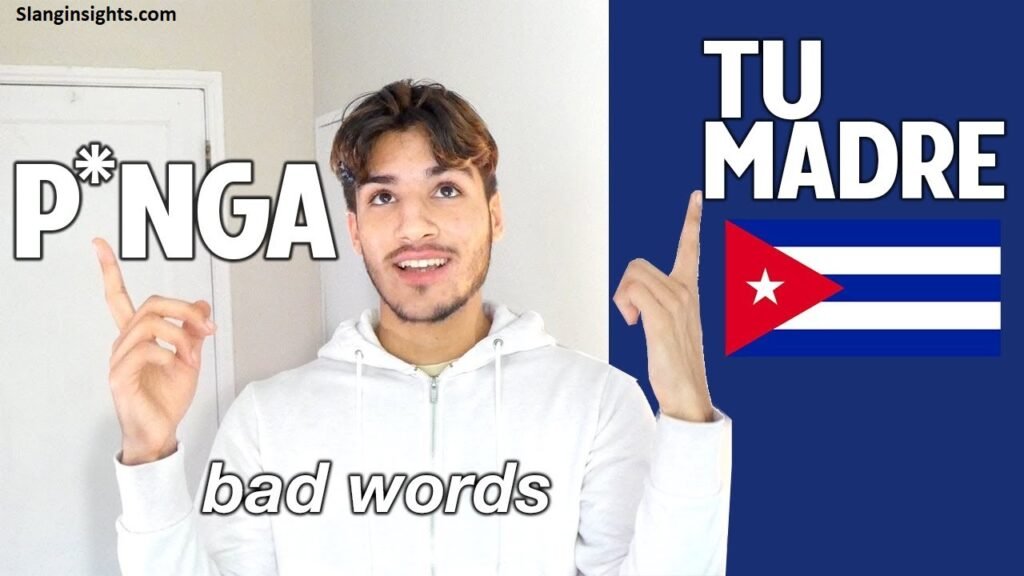
Pinga
Probably the most versatile and frequently used Cuban curse word. At its core it refers to male anatomy, but Cubans use it in so many ways:
- “¡Qué pinga!” — What the hell! / No way!
- “Ni pinga” — Not a damn thing / Absolutely nothing
- “A la pinga” — Forget about it / To hell with that
- “¿Qué pinga es eso?” — What the hell is that?
You will hear this word. A lot. Especially around young people or anyone who’s had a rough day. It’s so embedded in Cuban speech that even grandmothers sometimes slip it out without blinking.
Mierda
Standard Spanish for “sh**” — but Cubans deploy it with particular expressiveness. “¡Qué mierda!” covers everything from stepping in a puddle to the entire state of the economy. The universal Cuban reaction to life’s small disasters.
Arrecho / Arrecha
Tricky one. In Cuba, this can mean sexually aroused — but it also commonly just means very angry or worked up. “Estoy arrecho” often just means “I’m furious.” Be careful using it outside Cuba though — in some other Latin American countries the meaning is more specifically sexual and less ambiguous.
Comemierda
Literally “sh**-eater,” but functionally closer to calling someone an idiot or a pretentious snob out of touch with reality. Cubans use this one specifically for people who put on airs above their actual station in life. You’ll hear it muttered about politicians, certain neighbors, or anyone who acts like they’re too good for the block.
Madre (in compounds)
On its own, madre just means mother. But Cubans have developed a whole vocabulary of compound insults built around it — and phrases involving someone’s mother are among the most serious verbal escalations in Cuban culture, the kind that can turn a loud argument into an actual confrontation very quickly.
This is exactly what I stumbled into at that family dinner. Lesson very much learned.
The Unwritten Rules of Cuban Cursing
Tone carries more weight than the word itself.
The same word said with a grin between friends is affectionate. Said with a cold stare by a stranger, it’s a threat. Cubans are masters of tonal nuance. Before you experiment with any of this vocabulary, make sure you understand who you’re talking to and what energy you’re bringing.
Familiarity unlocks the vocabulary.
These words flow freely between people who know each other well. If you’re a newcomer — especially a foreigner — reaching for heavy slang too quickly can come off as disrespectful, like you’re trying to shortcut your way into a culture you haven’t earned yet. Earn the relationship first. The vocabulary opens up naturally after that.
Read the room.
Older Cubans, people in professional settings, and anyone in a formal situation will expect standard speech. The street vocabulary belongs on the street, at the kitchen table with close people, or at the domino game in the park. Cubans are very good at reading social situations, and they’ll respect you more if you are too.
Don’t fake the accent.
Nothing signals performance over genuine participation more than an exaggerated Cuban accent attached to borrowed slang. Say the words naturally. People appreciate real curiosity way more than imitation.
Common Mistakes Outsiders Make
Using heavy insults thinking they’re casual. Some words that sound breezy between close friends are actually loaded in other contexts. Watch and listen before you start using anything yourself.
Assuming Latin American Spanish is interchangeable. I’ve seen people use “Cuban” slang they found online only for it to turn out to be Venezuelan or Dominican — similar but not the same. Each country’s Spanish is distinct. If you want specifically Cuban vocabulary, seek specifically Cuban sources.
Treating it like a party trick. Walking into a group of Cubans and rattling off every bad word you know isn’t going to make you cool — it’s going to make you look like a kid who just discovered swear words. Use the language because you’re genuinely engaging with people, not to perform.
Forgetting the body language. Cuban communication is heavily physical — gestures, eye contact, how someone stands while they talk. The same phrase means something completely different delivered with relaxed shoulders and a laugh versus with tension and a pointed finger. Words are only half the picture.
Softer Substitutes for Mixed Company
Cubans have a whole set of milder stand-ins for the heavy stuff — words that carry emotional punch without the full weight:
- “Mecachis” — a mild expression of frustration
- “Caramba” — old-school, more surprise than anger
- “Diablo” — used the way some people say “damn”
- “Puñeta” — used loosely for frustration
These are safer choices when you’re still reading the dynamic.
Where to Actually Learn This Stuff
Cuban music is your best classroom. Reggaeton, timba, and rap cubano are loaded with authentic street language. One song can teach you more about how people actually talk than a month of classes.
Cuban YouTube content is also gold. There’s an active community of Cuban creators — both on the island and in the diaspora — who speak naturally and casually. You pick up tone, pacing, and context all at once, which is something no phrasebook can replicate.
Actual conversations. If you have Cuban friends, coworkers, or neighbors, ask them. Most Cubans find it genuinely funny and flattering when someone takes the culture seriously enough to want the real language. They’ll teach you things no app ever could, and usually with a lot of laughter along the way.
Anki or similar flashcard apps can help you retain vocabulary, but load the decks with phrases from real sources — music, overheard conversations, native content — not just dictionary entries. Context is what makes things stick.

FAQ’s
What are Cuban slang bad words?
Cuban slang bad words are informal and often offensive expressions used in Cuba to insult, joke, or express emotions such as anger, surprise, or frustration.
Are Cuban slang bad words different from other Spanish-speaking countries?
Yes. While some words are shared across the Spanish-speaking world, Cuba has unique expressions and meanings that reflect its culture and everyday speech.
Is it okay for tourists to use Cuban swear words?
Tourists should be cautious. Some expressions are highly offensive and may be considered rude if used incorrectly or with strangers.
Which Cuban slang bad word is the most common?
Words like coño, carajo, and comemierda are among the most commonly heard expressions in casual conversations in Cuba.
Can learning Cuban slang help with understanding native speakers?
Absolutely. Knowing common slang and swear words can help learners better understand movies, music, social media, and conversations with Cuban Spanish speakers.
Conclusion
Cuban slang bad words are an interesting part of the island’s colorful and expressive language. These terms are commonly used to show emotions, tease friends, or insult others, and their meanings can vary depending on the tone and context.
Expressions such as coño, carajo, singao, and comemierda are deeply rooted in everyday Cuban speech and may be heard in casual conversations, music, movies, and social media.
However, many of these words are considered vulgar or offensive, so they should be used with caution. Understanding them is more valuable for recognizing and interpreting conversations rather than actively using them.
For language learners and travelers, becoming familiar with Cuban slang can provide deeper insight into Cuban culture and communication styles.
By learning these expressions and their meanings, you can better appreciate the richness of Cuban Spanish while avoiding misunderstandings or unintentionally offending others.