Food Slang Meaning Explained From “Bussin'” to “Basic”
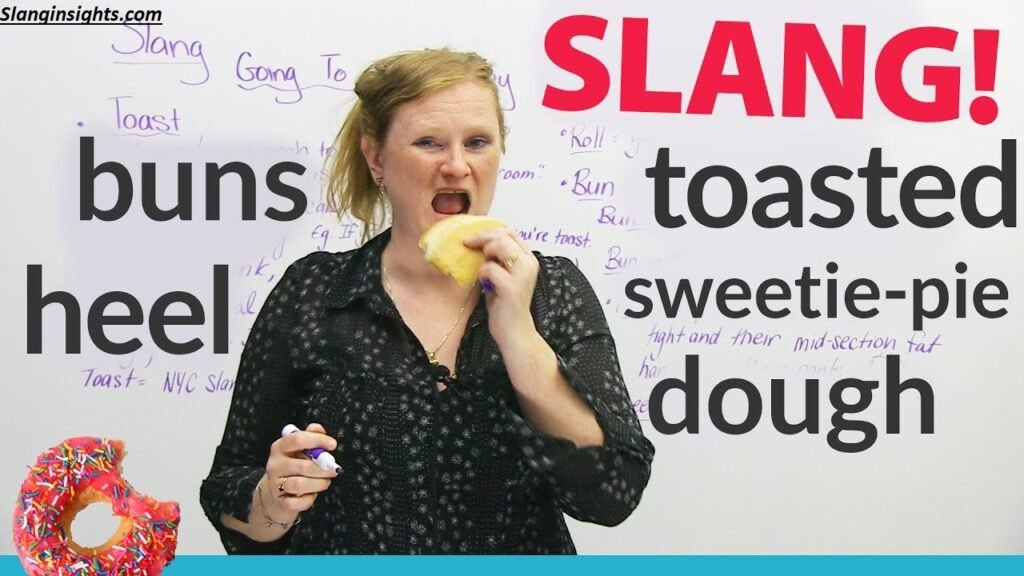
Food slang meaning refers to the informal, trendy terms people use to describe food, flavors, or dining experiences in casual conversation, especially on social media.
Words like “bussin'” (meaning something is really delicious), “mid” (meaning average or unimpressive), and “drip” (used loosely to describe something impressive) have become common ways younger generations talk about meals and snacks.
This type of slang often originates from internet culture, TikTok trends, and hip-hop influence, spreading quickly across platforms.
Understanding food slang meaning helps people stay current with modern conversations, connect with younger audiences, and better interpret captions, reviews, or comments about food online.
Quick Table
| Aspect | Details |
|---|---|
| Term | Food Slang |
| Meaning | Informal, trendy words used to describe food or dining experiences |
| Origin | Social media, TikTok trends, hip-hop and internet culture |
| Popular Examples | Bussin’, mid, drip, no cap, hits different |
| Common Usage | Describing taste, quality, or reactions to food casually |
| Similar Terms | Slang, lingo, internet speak, Gen Z terms |
| Tone | Casual, playful, trend-driven |
| Where It’s Used | Social media captions, reviews, conversations, food videos |
How I Discovered the Slang Meaning of “Food”
Okay, so a few months back, my younger cousin was scrolling through her phone at dinner and out of nowhere she goes, “Ugh, that TikTok was such food.” I literally stopped chewing. Food?
The video wasn’t about food. There was no food in it. It was some girl talking about her skincare routine.
I asked her what she meant and she looked at me like I’d just asked what a phone was.
That’s when I realized I was completely behind on this one, and honestly, once I started digging into it, the whole thing turned out to be way more layered than I expected.
If you’ve had a similar moment — someone used “food” in a sentence that made zero literal sense — you’re not losing it.
This is a real slang shift, and it’s been building for a while, mostly out of internet culture and specifically drag and ballroom slang before it went mainstream.
Wait, Food Doesn’t Mean Food?
Right, so here’s the thing. In slang terms, especially online, “food” (or “that’s food,” “she ate,” “serving food”) usually means something is excellent, impressive, or satisfying in a performance or style sense. It’s not about literal meals at all.
Think of it like this: if someone’s outfit is “food,” it means the look is so good it’s basically feeding you visually. Like your eyes are eating well. That’s genuinely the closest way I can explain the logic once you sit with it.
It ties into a whole family of related phrases:
- “She ate that” = she did something (a performance, a look, an answer) really well
- “Left no crumbs” = did it so perfectly there’s nothing left to criticize
- “That’s a whole meal” = same idea, just extra
- “Feeding us” = giving the audience exactly what they wanted
Once you see the pattern, it clicks. Food-related slang is basically a metaphor for satisfaction and excellence, borrowed from the literal act of eating and being nourished.
Where This Actually Came From
I did some digging because I was curious, and this isn’t some random Gen Z invention out of thin air. A lot of this vocabulary has roots in Black and Latino LGBTQ+ ballroom culture from decades back — think “Paris Is Burning” era slang — where performers would describe a killer look or performance as something that “fed” the judges or the crowd.
From there it moved into drag culture more broadly (RuPaul’s Drag Race has used variations of this for years), then leaked into mainstream internet slang through TikTok, Twitter/X, and Instagram comment sections.
By the time it hit my cousin’s group chat, it had been through several rounds of remixing.
This matters because context and origin actually change how you should use the word. More on that in a second.
How People Actually Use “Food” Today
Here’s where I started paying closer attention, scrolling through comment sections on Instagram and TikTok just to see it in action. A few real patterns I noticed:
On beauty and fashion content: “The makeup is FOOD” under a video where someone nailed a bold eyeshadow look.
On dance or performance clips: “She really served food with that choreo” — meaning the performance was impressive, sharp, on beat.
On sassy comebacks or clever responses: Someone drops a savage one-liner in a video, and the top comment is just “food 🍽️” with a plate emoji.
On general excellence, even unrelated to looks: I saw someone comment “this whole video is food” under a cooking tutorial that was genuinely well-edited — which is honestly a fun double meaning if you catch it.
Common Mistakes People Make With This Slang
I made a couple of these myself, so let me save you the awkwardness.
Mistake 1: Using it for actual food content If someone posts an actual recipe video and you comment “this is food,” it just reads as flat and confusing, because obviously it’s food. The slang works best when there’s a gap between the literal and the intended meaning — that’s what makes it land.
Mistake 2: Overusing it in professional or unrelated contexts I tried dropping “that’s food” in a work Slack message once as a joke about a good presentation. Half my team just stared blankly. Slang like this lives in casual, social-media-native spaces. It doesn’t always translate well to emails, meetings, or anywhere formal.
Mistake 3: Using it without understanding the compliment tone This phrase is almost always positive. If something’s bad, people don’t usually say “that’s not food” — they’ve got a whole separate vocabulary for that (mid, flopped, that ain’t it). So don’t try to flip it sarcastically unless you’re very sure of your audience, or it just confuses people.
Mistake 4: Assuming it’s brand new A lot of younger folks think this is a fresh 2023-2024 invention. It’s not. Respecting where slang comes from, especially ballroom and drag culture, matters if you’re going to use it. It’s not just a random meme word that appeared from nowhere.
A Simple Way to Test If You’re Using It Right
Here’s the quick mental check I use now before dropping “food” into a comment or caption:
Step 1: Ask yourself — am I complimenting a performance, look, style, or clever moment? If yes, keep going. If it’s literal food, skip the slang.
Step 2: Would “she ate” or “no crumbs left” also fit here? If those phrases work in the same spot, “food” probably works too — they’re part of the same slang family.
Step 3: Is the setting casual? Comment sections, group chats, captions — yes. Work emails, formal writing, customer service messages — no.
Step 4: Would the compliment make sense if you swapped “food” for “impressive” or “amazing”? If the sentence still makes sense, you’re using it correctly.
Real Examples I Tested Out Myself
Just to get comfortable with it, I started using it in low-stakes places, mostly comments on friends’ posts.
I commented “the fit is food” under my friend’s Instagram post where she wore this bright green blazer to a wedding. She texted me immediately asking if I was okay, because apparently I don’t usually talk like that. Which, fair.
I also tried it under a stranger’s dance video on TikTok — “this routine is FOOD” — and got a few likes back, so at least I didn’t embarrass myself publicly that time.
The lesson here: slang like this works best when it matches your usual online voice. If you never use internet slang and suddenly start dropping “food” everywhere, people will notice the shift, and not necessarily in a good way.
Other Slang Terms That Travel With “Food”
If you’re trying to get fluent in this whole vocabulary cluster, here are terms that usually show up alongside it:
- Slay – doing something exceptionally well (a bit older now, still used)
- Ate and left no crumbs – did something perfectly, no room for criticism
- Mother – someone who’s excelling or being iconic in a moment
- It’s giving [something] – describing the vibe or energy of a look or moment
- Understood the assignment – nailed exactly what was expected
These all kind of live in the same ecosystem, and honestly once you know a few of them, the rest start making sense contextually even before you look them up.
Why This Kind of Slang Keeps Evolving So Fast
One thing I noticed while researching this is how quickly these terms shift meaning or fall out of favor. Slang tied to internet culture moves fast because platforms like TikTok reward novelty. A phrase can peak in usage for a few months and then quietly fade, replaced by something newer.
That’s actually part of the fun of it, honestly. It’s less about memorizing a fixed dictionary and more about paying attention to how people around you are actually talking, especially in comment sections, captions, and casual conversation.
FAQ’s
What does food slang meaning refer to?
It refers to informal, trendy words people use to describe food, flavors, or dining experiences, especially in casual conversation and on social media.
Where does food slang come from?
Most food slang originates from social media platforms like TikTok, along with influences from hip-hop culture and internet trends that spread quickly among younger audiences.
What’s an example of food slang?
“Bussin'” is a popular example, meaning something is extremely delicious. Other examples include “mid” (average) and “no cap” (no lie, meaning it’s genuinely good).
Is food slang only used by Gen Z?
While Gen Z popularized much of today’s food slang, it’s increasingly used across age groups as these terms spread through social media and everyday conversation.
Why is it important to understand food slang meaning?
Understanding food slang helps you follow online conversations, reviews, and captions more easily, and keeps you culturally relevant in casual or social settings.
Conclusion
Food slang meaning plays a growing role in how people describe meals, flavors, and dining experiences in today’s casual, social-media-driven world.
Terms like “bussin’,” “mid,” and “no cap” have transformed the way food is talked about, adding personality and humor to everyday conversations.
Much of this slang originates from platforms like TikTok, along with strong influences from hip-hop and internet culture, allowing new expressions to spread rapidly across different communities.
Whether someone is reviewing a meal, reacting to a recipe video, or captioning a food photo, slang adds a relatable and trendy tone to the message.
As food culture continues to intersect with social media trends, new slang terms will likely keep emerging, reflecting shifts in language and youth culture.
Understanding food slang meaning not only helps you stay updated with modern trends but also improves how you connect with online audiences, interpret casual conversations, and engage with food-related content in a more authentic, culturally aware way.