Louisiana Hood Slang Words Explained What They Really Mean
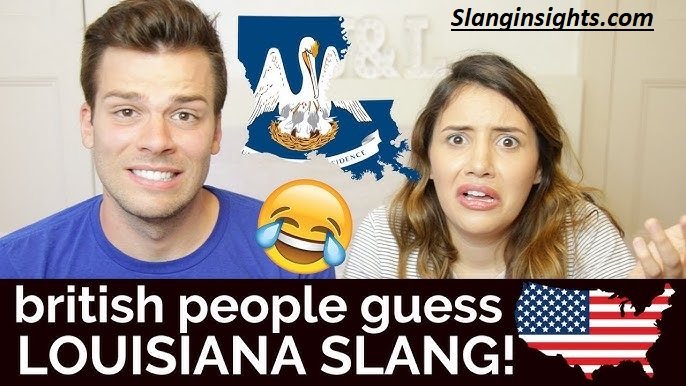
Louisiana hood slang words are informal expressions rooted in the state’s urban communities, particularly in cities like New Orleans, Baton Rouge, and Shreveport.
These terms blend Creole, French, and African American Vernacular English influences, creating a distinct vocabulary shaped by local culture, music, and everyday street life.
Words like “gutta,” “fye,” or “on Gz” reflect the creativity and identity of the communities that use them, often spreading through hip-hop, social media, and word of mouth.
Understanding this slang offers insight into Louisiana’s unique urban culture, helping outsiders connect more authentically with locals while appreciating the history and community behind the language.
Table of Contents
Quick Table
| Term | Meaning |
|---|---|
| Gutta | Tough, real, or from a rough area |
| Fye | Fire, meaning something is excellent |
| On Gz | Swearing something is true, “on my word” |
| Trill | True and real, authentic |
| Cap / No Cap | A lie / no lie, telling the truth |
| Finna | About to, going to |
| Lil Bruh | A younger friend or close associate |
| Geeked | Excited or hyped up |
| Bout It | Ready to do something, down for action |
| Slatt | “Solid Living, All The Time” — a phrase of loyalty |
| Ate | Did something exceptionally well |
| Chopper | Slang for a firearm |
| Trap | A place where drugs are sold, or a lifestyle reference |
| Woadie | Close friend or homie |
| Bricked Up | Nervous or froze up in a situation |
How I Learned Louisiana Slang the Hard Way
The first time a buddy from New Orleans told me he was about to “make groceries,” I genuinely thought he was starting a business. I stood there nodding like I understood, when really.
I had no clue he just meant he was going to the store to buy food. That’s the thing about Louisiana slang — it doesn’t care if you’re confused. It just keeps rolling.
I’ve spent enough time in and around Louisiana, from Baton Rouge cookouts to late nights in the 7th Ward, to know that the way people talk down here isn’t something you pick up from a textbook.
You learn it by messing up first. You say the wrong word at the wrong time, somebody laughs at you, and then it sticks with you forever.
So this isn’t some dictionary-style list copied off a random forum. This is what I’ve actually heard, actually said wrong, and eventually got right.
Why Louisiana Slang Sounds Like Its Own Language
Louisiana is a mashup of French, Spanish, Creole, and Southern Black culture, all mixed together over a couple hundred years. New Orleans alone has words that don’t even show up anywhere else in the state. Then you go two hours north to Baton Rouge or Shreveport and the slang shifts again.
That’s the part that trips people up. You can’t just learn “Louisiana slang” as one thing.
It’s really more like three or four dialects stacked on top of each other, and the hood slang specifically leans hard into New Orleans bounce culture, Baton Rouge street talk, and everyday Creole influence.
The Words That Actually Get Used (Not Just Listed on Pinterest)
Here’s where I stop generalizing and give you the real stuff, the kind you’d hear if you were standing on a porch in Central City or riding down Florida Ave.
Making groceries — Going grocery shopping. This one comes straight from the French “faire le marché.” I still catch myself saying it now, months after learning it, because it just feels more natural than “I’m going to the store.”
Where y’at — Not “where are you,” even though it looks like it. It’s just “hey, what’s up.” You don’t actually answer with a location. I made that mistake once and got a weird look followed by “nah, I’m just asking how you doing.”
Neutral ground — The median strip between two lanes of traffic. Anywhere else in the country, people call it a median. Say “median” in New Orleans and somebody might correct you on the spot.
Fixin’ to — Basically means “about to.” As in, “I’m fixin’ to head out.” This one’s more Southern-wide but you hear it constantly in the Louisiana hood scene layered with local flavor.
Trill — A mix of “true” and “real.” This one got big nationally because of Baton Rouge rap, especially Boosie and Webbie. If someone calls you trill, take it as a compliment. It means genuine, no fake stuff.
Ward — Refers to a neighborhood, like the 9th Ward or 7th Ward. It’s not just a location marker, it’s an identity thing. Where you’re from carries weight in conversation.
Choppa — Slang for a gun, specifically an automatic weapon, used a lot in New Orleans bounce and rap lyrics. You’ll hear it in music way more than in casual conversation, but it’s part of the vocabulary either way.
Cap / no cap — This spread nationwide through social media, but it actually has roots in Southern Black slang before TikTok ever got hold of it. “Cap” means a lie, “no cap” means I’m being serious.
Finna — Short for “fixin’ to,” used almost interchangeably. “I’m finna go” means I’m about to leave.
Sha or Cher — A term of endearment, pulled from Cajun French, meaning “dear” or “honey.” You’ll hear grandmothers use it just as much as younger folks.
Lagniappe — A little something extra, like a bonus. If a shop owner throws in an extra item for free, that’s lagniappe. This word alone tells you how deep the French influence runs.
Yeah you right — Basically an agreement phrase, like “exactly” or “you got that right.” It shows up constantly in New Orleans conversations, almost like a verbal nod.
How I Actually Learned This Stuff (Step by Step)
I didn’t sit down and memorize a list. Here’s honestly how it happened, and if you’re trying to actually understand this slang instead of just reading about it, this process works better than any list.
Step 1: Listen to local music first. Bounce music, especially anything from artists like Big Freedia, Cheeky Blakk, or older Master P and Juvenile tracks, is loaded with authentic slang. YouTube has plenty of these tracks, and honestly Spotify’s “New Orleans Bounce” playlists are a solid starting point too.
Step 2: Watch interviews, not just scripted content. Local news interviews after Mardi Gras or Saints games are gold. People aren’t performing, they’re just talking normal. That’s where you catch phrases like “making groceries” used naturally instead of explained.
Step 3: Follow local creators on social media. TikTok and Instagram have a bunch of New Orleans and Baton Rouge creators who casually use hood slang in daily vlogs. It’s way more useful than any glossary because you see the tone and context, not just the definition.
Step 4: Actually talk to people. This sounds obvious but it’s the real answer. If you’re visiting Louisiana, strike up small talk with someone at a corner store or a food truck. Ask them what something means if you’re confused. Most people here are proud of the culture and happy to explain it, as long as you’re respectful about it.
Step 5: Don’t force it into your own vocabulary right away. This was my mistake early on. I started throwing around “trill” and “where y’at” way too fast, and it came off forced. Slang works when it’s natural. Let it develop over time instead of cramming it in every sentence.
A Mistake I Made That Taught Me Something
I once used “cap” in front of an older woman at a family gathering, thinking it was universal slang by that point. She had no idea what I meant, looked genuinely puzzled, and one of her grandkids had to translate for me.
It reminded me that a lot of this slang skips generations. What’s common with younger folks isn’t always what older generations use, even within the same family.
That taught me to actually pay attention to who I’m talking to, not just throw slang around because it sounds cool.
Common Mistakes People Make With Louisiana Slang
Mixing up Cajun and Creole slang like they’re the same thing. They’re related but not identical. Cajun culture comes from Acadian French settlers, mostly rural. Creole culture is a blend of French, Spanish, African, and Caribbean influence, more associated with New Orleans specifically. The slang overlaps but isn’t interchangeable.
Assuming New Orleans slang applies statewide. Baton Rouge, Shreveport, and Lafayette all have their own flavor. Using strictly New Orleans terms in North Louisiana can actually make you sound like you don’t know the area, ironically.
Overusing it to sound cool. Locals can spot this instantly. If every other sentence has forced slang jammed into it, it reads as try-hard instead of natural.
Using slang from music without understanding context. Some terms in bounce or rap lyrics carry meaning tied to specific neighborhoods or situations. Repeating them without understanding that context can come off wrong, especially outside the culture.
Where To Actually Hear This Slang In Action
If you want real exposure instead of just a written list, here’s what’s worked for me:
- Local New Orleans radio stations like Q93 or WBOK 1230 AM, both stream online
- YouTube channels covering Mardi Gras Indians and second line parades
- Bounce music playlists on Spotify or Apple Music
- Reddit threads in r/NewOrleans, where locals casually explain terms when tourists ask
- Local food and culture podcasts, several New Orleans creators run these on Spotify and Apple Podcasts
None of these require you to buy anything or sign up for some course. It’s just about putting yourself around the actual sound and rhythm of how people talk.

FAQ’s
What is Louisiana hood slang?
Louisiana hood slang refers to informal expressions used in the state’s urban communities, blending Creole, French, and African American Vernacular English influences shaped by local culture and street life.
Where does this slang come from?
It largely originates from cities like New Orleans, Baton Rouge, and Shreveport, influenced by hip-hop culture, social media, and the everyday language of local communities.
Is Louisiana hood slang different from NOLA slang?
They overlap, but NOLA slang leans more toward general New Orleans culture (food, greetings, traditions), while hood slang is more specific to urban street culture and youth expressions.
Are these words used outside of Louisiana?
Some terms have spread nationally through music and social media, but many remain regional and are most commonly used within Louisiana’s local communities.
Is it appropriate to use this slang if I’m not from the area?
It depends on context. Casual use is common, but it’s respectful to understand the cultural background of these words rather than using them carelessly.
Conclusion
Louisiana hood slang words are a powerful reflection of the state’s urban culture, identity, and community spirit.
Rooted in cities like New Orleans, Baton Rouge, and Shreveport, this vocabulary blends Creole, French, and African American Vernacular English influences, creating a language style that’s both distinct and constantly evolving.
Terms like “gutta,” “trill,” and “on Gz” showcase how creativity and authenticity shape everyday communication within these communities.
Learning this slang isn’t just about sounding current — it’s about understanding the cultural roots and lived experiences behind the words.
Whether influenced by hip-hop, social media, or generational tradition, these expressions carry real meaning for the people who use them daily.
Ultimately, Louisiana hood slang highlights how language evolves alongside culture, community, and history.
It serves as a reminder that slang isn’t just casual talk — it’s an authentic expression of identity, resilience, and pride rooted deeply in Louisiana’s diverse urban communities.