50 NOLA Slang Words You Need to Know Before Visiting
NOLA slang refers to the unique words and phrases used by locals in New Orleans, shaped by the city’s rich blend of French, Spanish, African, and Creole influences.
These expressions reflect the city’s vibrant culture, music, food, and laid-back lifestyle, often confusing first-time visitors.
Terms like “where y’at” (a common greeting) or “making groceries” (grocery shopping) showcase how NOLA’s history has created a dialect all its own.
Understanding this slang can help travelers navigate conversations more naturally and connect with locals on a deeper level.
Whether you’re exploring the French Quarter or chatting with a native, knowing NOLA slang adds authenticity to the experience.
Table of Contents
Quick Table
| Term | Meaning |
|---|---|
| Where Y’at | A common greeting meaning “how are you” |
| Making Groceries | Grocery shopping |
| Neutral Ground | The median strip between roads |
| Lagniappe | A little something extra, a bonus |
| Cher | Dear or sweetheart (from French/Cajun influence) |
| Who Dat | A phrase of pride, especially for the Saints |
| Banquette | Sidewalk |
| Mainline | A close friend or your go-to person |
| Suicide (drink) | A mixed soda drink from multiple flavors |
| Yat | A person with a thick New Orleans accent |
| Second Line | A festive parade tradition following brass bands |
| Muffuletta | A famous NOLA sandwich (also used casually to refer to it) |
| Gris-gris | A charm or spell, rooted in Voodoo tradition |
| Praline | A sweet pecan candy (pronounced “PRAH-leen”) |
| Krewe | A social organization that puts on Mardi Gras events |
My First Encounter With New Orleans Slang
I moved to New Orleans for a job three years ago, and I still remember standing in line at a po-boy shop on Magazine Street, completely lost, while the guy behind me asked if I was “making groceries” that afternoon.
I just stared at him. Making groceries? Was that a typo? A joke? I nodded politely and had absolutely no idea what he’d just said to me.
Turns out he was just asking if I was going grocery shopping. That’s it. That’s the whole mystery.
This happened to me probably fifty more times that first year.
Someone would say something so casually, like it was the most normal sentence in the English language, and I’d be standing there doing mental gymnastics trying to figure out what planet I’d landed on.
New Orleans has its own language, honestly. It’s not quite Southern, not quite Cajun, not quite anything you’d expect. It’s its own thing, shaped by French, Spanish, African, Italian, and Caribbean influences all mashed together over 300 years.
So if you’re planning a trip down here, moving for work, or you just married into a New Orleans family (my condolences, kind of, they’re great people but confusing to listen to), here’s what I learned the hard way.
“Where Y’at?” Isn’t a Question You Actually Answer
The first time someone said “where y’at?” to me, I genuinely started explaining my location. Like, “Oh, I’m over here by the coffee shop.” The person looked at me like I’d grown a second head.
“Where y’at” is just how people say hello here. It’s the New Orleans version of “what’s up” or “how’s it going.” Nobody wants an actual answer. You just say it back, or say “not much, you?” and move on with your day.
Fun fact: locals are sometimes called “Yats” because of this phrase. If someone calls you a Yat, that’s actually kind of a compliment. It means you’ve got that thick, old-school New Orleans accent and attitude.
The Neutral Ground Situation
I got so confused the first time a coworker told me to meet her “on the neutral ground” before a parade. I thought maybe it was some kind of designated meeting spot, like a specific landmark.
Nope. It’s just the median. The grassy strip in the middle of the street. That’s it.
This one actually makes sense once you know the history. Back in the day, the median on Canal Street was literally the neutral zone between the French Creole side of town and the American side.
The name stuck for over a century, and now every median in the city is a “neutral ground,” no matter where it is.
During parade season, you’ll hear this constantly. “We’re setting up on the neutral ground” just means people are claiming their spot on the median with chairs and coolers.
Lagniappe: The Word That Explains the Whole City
If you learn one word before visiting, make it this one. Lagniappe (pronounced LAN-yap) means a little something extra. A bonus. A freebie you weren’t expecting.
I first heard it at a bakery when the woman working the counter threw an extra cookie in my bag and said “that’s your lagniappe.” I didn’t even ask for it. She just did it because that’s the culture here.
Honestly, once you understand lagniappe, you understand New Orleans a little better. It’s a city that believes in giving a little extra, whether that’s food, music, hospitality, or just conversation with a stranger in line.
Making Groceries (Yes, Really)
Back to that phrase that started my whole confusion spiral. “Making groceries” comes from the French phrase “faire le marché,” which literally translates to “make the market.”
Locals kept the French sentence structure even when speaking English, and it just stuck around for generations.
So when someone asks if you’re “making groceries” this weekend, they just want to know if you’re headed to the store.
Banquette, Not Sidewalk
I texted a friend once asking where to park, and she told me to “watch out, the banquette is uneven right there.” I had zero clue what a banquette was in this context. I was picturing a restaurant booth.
Banquette is just the sidewalk. Another French leftover. New Orleans sidewalks are famously cracked and uneven because of the soil here (the whole city is basically built on a swamp, which is its own fun problem), so you’ll hear locals warn each other about the banquette pretty often.
The Boot vs. Where the Bus Went
Two totally different meanings depending on context, and this one tripped me up badly.
If your car has “the boot” on it, that’s the parking enforcement device clamped to your wheel because you didn’t pay a ticket. Standard stuff, same as most cities.
But if someone says “the boot,” meaning the shape of Louisiana on a map (since the state looks like a boot), they’re talking about being from Louisiana in general, or the whole state’s identity. You’ll see “Proud to be from the Boot” on bumper stickers and t-shirts all over.
Context matters a lot here, and I learned that after asking someone why their car had a boot on it when they were actually just talking about growing up near Lafayette.
Common Nola Slang Cheat Sheet
Here’s a quick breakdown I wish someone had given me on day one:
- Cher (pronounced “sha”) – A term of endearment, like “honey” or “dear.” Cajun French origin.
- Second line – Not just a parade term. It refers to the crowd that dances behind a brass band during a parade, and also the actual event itself, like a wedding second line.
- Krewe – Any group that organizes a Mardi Gras parade or event, spelled with a K on purpose.
- Throw me somethin’, mista – The classic Mardi Gras chant you yell at float riders so they toss beads or trinkets your way.
- Fixin’ to – About to do something. “I’m fixin’ to head out.”
- Who dat – Saints football pride, mainly, but also just a general New Orleans identity phrase.
- Da parish – Refers to St. Bernard Parish specifically when said with that emphasis, though technically Louisiana uses “parish” instead of “county” everywhere.

Mistakes I Made (So You Don’t Have To)
I called it “New Or-LEENZ” for way too long before someone gently corrected me. Locals say “New OR-lins,” fast and mushed together, almost like one word. Tourists get made fun of for over-pronouncing it.
I also once said “Bourbon Street” like it was the whole city’s personality, and a local very kindly let me know that Bourbon Street is basically a tourist trap most residents avoid on weekends. If you want real local flavor, ask about Frenchmen Street instead. Same energy, way fewer frat parties.
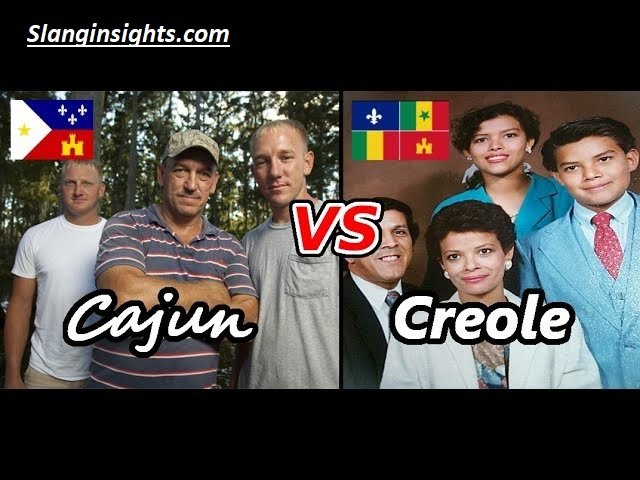
Another mistake: assuming Cajun and Creole slang are the same thing. They’re related but different cultures with different histories. Cajun comes from Acadian French settlers who came down from Canada.
Creole culture developed in the city itself and blends French, Spanish, African, and Caribbean influences. Locals notice when outsiders mix these up, so it’s worth learning the difference if you’re staying a while.
How to Actually Pick This Stuff Up
You don’t need a class or an app for this, honestly, though apps like Duolingo won’t help you here since this is regional slang, not a language course.
The best way is just to listen. Sit at a coffee shop, a bar, a barbershop, wherever people are chatting casually, and pay attention to the rhythm of how locals talk. Ask questions when you’re confused. People here genuinely love explaining their culture if you ask nicely instead of assuming.
I also picked up a lot just from listening to local radio, specifically WWOZ, which plays New Orleans music and has DJs who talk in that classic Nola cadence between songs. It’s a good passive way to get your ear trained.
Reading local publications like The Times-Picayune or Gambit also helps, since writers there naturally use local terms without over-explaining them, which forces you to pick up context clues.
FAQ’s
What is NOLA slang?
NOLA slang refers to the distinct words and phrases used by New Orleans locals, shaped by the city’s French, Spanish, African, and Creole heritage.
What does “Where Y’at” mean?
It’s a traditional New Orleans greeting, similar to asking “How are you?” or “What’s up?”
Why does New Orleans have its own slang?
The city’s diverse history of colonization, immigration, and Creole culture created a unique blend of languages and traditions, resulting in its distinct dialect.
Is NOLA slang the same as a Southern accent?
Not exactly. While New Orleans is in the South, its slang and accent (like the “Yat” accent) are heavily influenced by immigrant communities, setting it apart from typical Southern speech patterns.
Will locals understand me if I don’t use NOLA slang?
Yes, standard English works fine, but using local slang can help you connect more authentically and show appreciation for the culture.
Conclusion
NOLA slang is more than just casual vocabulary — it’s a living reflection of New Orleans’ rich cultural history, shaped by French, Spanish, African, and Creole influences that make the city truly one of a kind.
From everyday greetings like “where y’at” to cultural staples like “lagniappe” and “krewe,” these words carry the spirit, warmth, and traditions of the Crescent City.
Learning a bit of NOLA slang isn’t just useful for travelers — it’s a way to appreciate the deep-rooted heritage behind the language itself.
Whether you’re navigating the French Quarter, chatting with locals, or immersing yourself in Mardi Gras season, understanding these terms adds authenticity and connection to your experience.
Ultimately, NOLA slang showcases how history, culture, and community shape the way people speak.
It’s a reminder that language isn’t just about communication — it’s about identity, and New Orleans’ unique dialect proves just how colorful and meaningful that identity can be.