Ghetto Slang Examples Learn the Most Common Urban Phrases
Ghetto Slang A few years ago, I was scrolling through social media when I saw someone comment, “That’s ghetto.”
At the time, I thought they were simply talking about something cheap or poorly made.
Later, after talking with friends from different backgrounds and spending more time online, I realized the term carried a lot more meaning than I originally understood.
The word “ghetto” and the slang connected to it have been used in different ways over the years. Depending on who says it, where they grew up, and the situation, it can be used casually, humorously, critically, or even offensively.
If you’ve ever heard phrases described as “ghetto slang” and wondered what people actually mean, this guide will help clear things up.
Table of Contents
Quick Table
| Ghetto Slang Term | Meaning | Example |
|---|---|---|
| Lit | Exciting or fun | “That party was lit!” |
| Dope | Excellent or impressive | “Your new shoes are dope.” |
| Cap | A lie or false statement | “He’s capping about his score.” |
| No Cap | Honest; not lying | “No cap, that’s the best burger I’ve had.” |
| Flex | To show off | “She’s always flexing her new car.” |
| Broke | Having little or no money | “I’m broke until payday.” |
| Homie | Close friend | “That’s my homie from school.” |
| Wack | Bad, boring, or uncool | “That movie was wack.” |
| Savage | Bold, fearless, or ruthless | “That comeback was savage.” |
| Chill | Relaxed or calm | “Let’s just chill tonight.” |
What Is Ghetto Slang?
Ghetto slang generally refers to informal words, phrases, and expressions that originated in urban communities, particularly within African American communities in the United States.
Many of these expressions later spread through music, movies, television, social media, and everyday conversations. Over time, some became so common that people use them without even realizing where they came from.
One thing I learned is that labeling every urban expression as “ghetto slang” can sometimes be inaccurate or disrespectful. Many of these terms are actually part of larger cultural language systems and have rich histories behind them.
Why People Use It
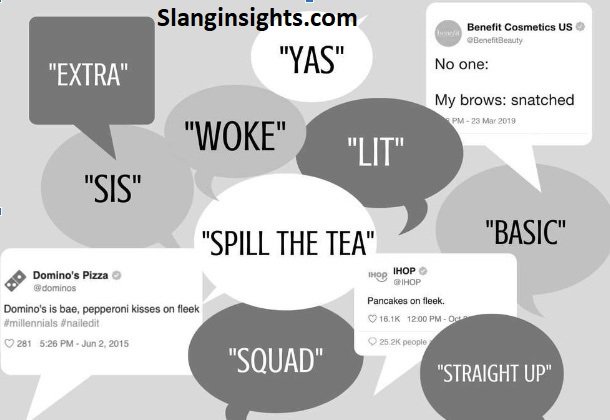
Language changes constantly.
People create slang because it feels more expressive, personal, and relatable than formal language.
Think about texting a friend.
Instead of saying:
“I strongly agree with your statement.”
Most people simply say:
“Facts.”
One word communicates the same idea much faster.
That’s one reason slang spreads so quickly online.
Common Examples of Ghetto Slang
Here are some examples you may hear in conversations, music, or social media.
Lit
Meaning: Exciting, fun, or amazing.
Example:
“That party was lit.”
This simply means the party was enjoyable and energetic.
Flex
Meaning: To show off.
Example:
“He’s always flexing his new car.”
The person is showing something off to impress others.
Cap
Meaning: A lie or exaggeration.
Example:
“That’s cap.”
Translation:
“I don’t believe that.”
No Cap
Meaning: Being honest or truthful.
Example:
“No cap, that’s the best burger I’ve had.”
The speaker is emphasizing that they’re serious.
Broke
Meaning: Having little or no money.
Example:
“I’m broke until payday.”
This phrase has become common across many different communities.
Savage
Meaning: Bold, fearless, or brutally honest.
Example:
“That comeback was savage.”
Homie
Meaning: Close friend.
Example:
“That’s my homie.”
Many people use this casually among friends.
Woke
Originally used to describe awareness of social issues.
Over time, its meaning has expanded and changed depending on who is using it.
How Social Media Changed Slang
One thing I’ve personally noticed is how quickly slang travels today.
Years ago, slang often stayed local for a long time.
Now a phrase can appear on TikTok, Instagram, YouTube, or X and spread worldwide within days.
A teenager in Pakistan, Canada, or Australia might use the same slang term they heard from an American creator online.
That’s something that wasn’t nearly as common before social media became part of everyday life.
The Influence of Music and Entertainment
Music has played a huge role in spreading urban slang.
Genres like hip-hop and rap introduced many expressions to mainstream audiences.
People hear certain words in songs repeatedly and eventually start using them themselves.
Movies, television shows, podcasts, and streaming content have accelerated this process.
I’ve seen phrases that were once limited to specific communities become everyday vocabulary for millions of people.
When Using Ghetto Slang Can Be Tricky
This is where many people make mistakes.
Not every slang term fits every situation.
For example, using casual urban slang during a job interview probably isn’t the best idea.
Imagine answering an interview question with:
“No cap, I’m the best candidate.”
Your friends might laugh.
The interviewer might not.
Context matters.
Understanding when and where to use slang is just as important as understanding the meaning.
A Lesson I Learned the Hard Way
Several years ago, I tried using a new slang phrase after hearing it online.
The problem?
I didn’t fully understand how people actually used it.
I used the phrase in a completely different context, and everyone immediately knew I was forcing it.
It felt awkward.
That experience taught me something useful:
Don’t use slang simply because it’s popular.
Learn what it means first.
Listen to how native speakers use it.
Then decide whether it naturally fits your own communication style.
How to Learn Slang the Right Way
If you’re curious about modern slang, here’s a practical approach.
Observe Real Conversations
Watch videos, podcasts, interviews, and social media clips.
Pay attention to how words are used in real situations.
Check Multiple Sources
Sometimes one word has different meanings depending on context.
Look at examples from several sources before assuming a definition.
Understand the Tone
Ask yourself:
Is the word serious?
Funny?
Friendly?
Insulting?
The tone often matters more than the dictionary definition.
Practice Carefully
Try using the phrase in casual conversations first.
If it feels forced, don’t force it.
Natural communication always sounds better.
Stay Updated
Slang changes quickly.
A phrase that was popular three years ago may sound outdated today.
Common Misunderstandings About Ghetto Slang
All Slang Is Uneducated Language
Not true.
Slang is simply informal language.
Every generation creates its own slang.
Even highly educated people use slang when talking with friends.
Slang Has No Rules
Actually, slang follows patterns.
People who regularly use certain expressions understand when they fit and when they don’t.
Using the wrong slang in the wrong situation often sounds unnatural.
Every Urban Phrase Is “Ghetto”
This is another common misunderstanding.
Many expressions come from specific cultural traditions and communities.
Lumping everything together under one label can ignore those differences.
Popular Slang Terms You Might Hear Today
Some currently popular expressions include:
- Bet
- Bussin
- Low-key
- High-key
- Drip
- Vibe
- Goat
- Rizz
- Sus
- Fam
Not all of these are considered ghetto slang, but they frequently appear in online conversations and modern speech.
When You Should Avoid Using Certain Slang
There are situations where formal communication works better.
Examples include:
- Job interviews
- Professional emails
- Business meetings
- Academic writing
- Official presentations
In these situations, clear standard language usually creates a stronger impression.
Knowing both formal language and slang gives you flexibility.
You can adapt to different audiences and situations more effectively.
The Cultural Side of Slang
One thing that’s important to understand is that slang often reflects culture, history, identity, and community.
Words don’t appear randomly.
They usually develop because groups of people create new ways to express themselves.
When learning slang, it’s helpful to appreciate the culture behind it rather than treating the words as internet trends alone.
That perspective helps avoid misunderstandings and shows respect for where many expressions originated.
FAQ’s
What does ghetto slang mean?
Ghetto slang refers to informal language, expressions, and vocabulary that often originate in urban communities. Many of these terms later become popular through music, social media, and everyday conversations.
Is ghetto slang the same as urban slang?
The terms are often used interchangeably. However, “urban slang” is generally considered a broader and more neutral term that includes expressions from various city cultures and communities.
Why is ghetto slang popular?
Ghetto slang is popular because it is creative, expressive, and frequently appears in hip-hop music, movies, TV shows, and social media platforms, making it widely recognized.
Can ghetto slang meanings change over time?
Yes. Slang evolves quickly, and a word’s meaning can shift depending on the region, generation, or cultural context in which it is used.
Is it okay to use ghetto slang?
It depends on the context and audience. Understanding the origins and cultural significance of slang terms can help ensure they are used respectfully and appropriately.
Conclusion
Ghetto slang is a dynamic and influential form of informal language that has shaped modern communication in significant ways.
Originating from urban communities, these expressions often reflect creativity, identity, humor, and cultural experiences.
Over the years, many slang terms that began in local neighborhoods have spread through music, entertainment, and social media, becoming part of mainstream vocabulary.
Learning ghetto slang can help you better understand conversations, song lyrics, online content, and popular culture.
Terms like “lit,” “flex,” “cap,” and “dope” have become widely recognized because of their frequent use across different platforms and communities.
However, it is important to remember that slang meanings can vary depending on location and context, and some expressions may carry cultural significance that should be respected.
As language continues to evolve, new slang words will emerge while older ones fade away. Staying familiar with these changes can improve communication and cultural awareness.
Whether you’re curious about modern expressions or simply want to expand your vocabulary, understanding ghetto slang provides valuable insight into the ever-changing world of language and popular culture.