Slang Word for Coffee Top Terms Used Around the World
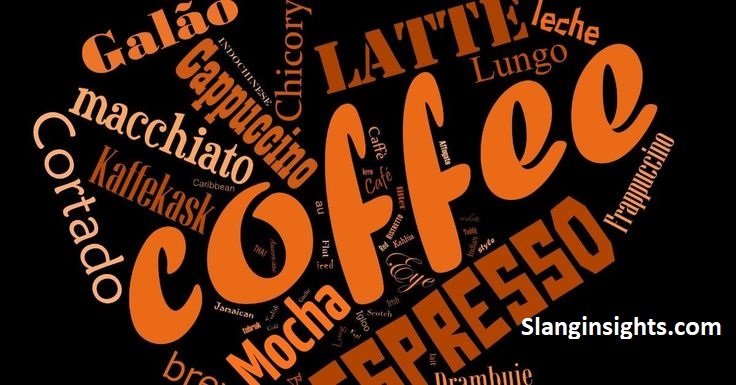
Slang Word for Coffee Coffee has inspired many slang terms over the years. Some of the most popular slang words for coffee include java, joe, brew, cuppa, mud, and rocket fuel.
The term cup of Joe is widely used in the United States to refer to a regular cup of coffee, while java comes from the Indonesian island famous for coffee production.
Rocket fuel is often used jokingly for very strong coffee that provides a powerful energy boost.
These slang expressions add personality and humor to everyday conversations, making coffee culture more colorful and enjoyable for coffee lovers around the world.
Table of Contents
Quick Table
| Slang Word | Meaning |
|---|---|
| Java | Coffee, especially brewed coffee |
| Joe | A regular cup of coffee |
| Brew | Freshly made coffee |
| Cuppa | A cup of coffee or tea |
| Mud | Strong, dark coffee |
| Rocket Fuel | Extremely strong coffee |
| Bean Juice | Coffee made from coffee beans |
| Jitter Juice | Coffee that gives an energy boost |
| Go-Juice | Coffee used for staying awake |
| Wake-Up Juice | Coffee consumed to start the day |
What Is Slang Word for Coffee?
I still remember the first time someone at my old office asked if I wanted a “cup of joe” before a 9 AM meeting. I stared at them blankly for a solid three seconds. Joe? Who’s Joe? Are we ordering food for someone named Joe?
Turns out, I had been drinking coffee for years without ever learning the rich, ridiculous, surprisingly charming language that surrounds it.
Once I started working remotely and spending chunks of my day in cafes — scrolling through things, hopping on video calls, listening to podcasts with barista noise in the background — I realized coffee has its own entire dialect.
And if you don’t speak it, you feel like an outsider.
So here’s the full rundown. Every slang term, nickname, and quirky phrase for coffee that you’ll actually come across — explained like a human, not a dictionary.
“A Cup of Joe” — The Classic You’ve Definitely Heard
Let’s start with the big one. “Joe” is probably the most universally recognized slang for coffee in the English-speaking world, especially American culture.
Nobody’s 100% sure where it came from. Some people say it traces back to Secretary of the Navy Josephus Daniels banning alcohol on Navy ships in 1914, making coffee the strongest drink available.
Others say it’s just a common-man name — like how “John” means a regular guy. Whatever the origin, if someone says “I need my morning joe,” they mean coffee, full stop. Use it freely. It’s timeless.
Your dad says it. The guy at the corner diner definitely says it.
“Java” — When You Want to Sound Like You Know Stuff
This one’s all about geography. Java is an island in Indonesia that was historically one of the world’s biggest coffee exporters. Somewhere along the way, the word “java” just became another word for coffee itself.
You’ll hear it a lot in casual office conversation. “Want some java before the call?” It sounds slightly more sophisticated than “joe” but it’s just as casual.
And yes — the reason one of the most popular programming languages is named Java? Because developers needed a word that captured their deepest love, and coffee was already taken as a name.
“Brew” — Simple, Honest, No Drama
“Brew” is what coffee people call coffee when they want to sound like they know the craft. A morning brew. A fresh brew. A strong brew. It’s short, it works, no explanation needed.
This one also crosses over into beer territory, which can cause mild confusion at brunches. Context is everything.
“Rocket Fuel” — For When It’s Truly That Strong
This one I use personally. Whenever an espresso hits especially hard — the kind that makes your fingers tingle and your thoughts race at 200 words per minute — rocket fuel is the only accurate description.
It’s not on any menu. But it’s widely used in casual conversation, especially among people serious about their caffeine intake. “Dude, whatever that place puts in their espresso is straight rocket fuel.” You get it immediately.
“Mud” or “Cup of Mud”
Not the most flattering nickname, but it’s earned. Old diner coffee — the stuff that’s been sitting in a pot since 6 AM and slowly thickening into something questionable — that’s mud. Thick, dark, slightly survivable.
It’s affectionate in a rough-around-the-edges kind of way. Nobody says “cup of mud” to describe a freshly pulled single-origin pour-over. That would be offensive to everyone involved.
“Go Juice” — The Name That Says Exactly What It Does
Popular among gym people, early risers, and parents of newborns. “Go juice” means coffee specifically in its role as a performance enhancer — the thing that gets you off the couch and into your actual life.
“I can’t function without my go juice” is a sentence I’ve heard in multiple countries. It’s universally understood. The moment someone says it, you know exactly what kind of morning they’re having.
“Brain Juice” — Same Idea, Slightly More Philosophical
Similar vibe to go juice, but focused on mental clarity rather than physical energy. You’ll hear this from writers, developers, designers — anyone who needs their brain to actually boot up before 10 AM.
“Let me get some brain juice and I’ll look at that document” is something I have genuinely typed into a Slack message. Received with zero confusion.
“Jitter Juice” — When You’ve Had One Too Many
Here’s where coffee slang gets self-aware. “Jitter juice” is what you call coffee when you’ve drunk enough that your hands are slightly shaky and you’ve already sent two emails you probably shouldn’t have.
Always said with a laugh. Usually after cup number three. “I think I’ve had too much jitter juice today” means the caffeine is clearly winning.
“Bean Water” — The Funniest One, Honestly
This started as a joke somewhere on the internet and quietly became legitimate slang. Bean water. That’s literally what coffee is — water run through ground beans. The reductiveness is entirely the point.
Used affectionately by people who love coffee but also find coffee culture slightly ridiculous. “I need my morning bean water or I’m useless.” It’s humble, honest, and weirdly charming. It always makes people smile.
“Liquid Gold” — For the Good Stuff
When the coffee is genuinely excellent — right roast, right temperature, right crema — that’s liquid gold. A compliment and a small declaration of love at the same time.
You take the first sip, your eyes close slightly, and “liquid gold” is the only phrase that comes out. No irony. Full sincerity.
“Café” — When You’re Feeling Slightly European About It
In Spanish-speaking countries and across Europe, you just say café. Short, elegant. In casual English conversation, especially among people who travel, it slips in naturally.
“I need a café before this presentation” somehow sounds calmer than “I need a coffee.” Like you’re handling it. You’re fine. You just need a café.
“Leaded” vs “Unleaded” — The Old-School Diner Analogy
Old-school American diner slang, and it’s brilliant. Leaded = caffeinated. Unleaded = decaf.
If you’re at a classic American diner and the waitress comes around with the pot asking “leaded or unleaded?” — she’s not asking about your car. She wants to know if you want real coffee or the caffeine-free version. It’s so specific to that context it almost feels fictional, but it’s completely real.

“Decaf” — And Why Coffee People Have Feelings About It
Decaf has its own sub-culture. You’ll hear it called “why bother,” “sad coffee,” “fake coffee,” and “unleaded” from the caffeine-faithful crowd.
Not here to pick sides. Decaf drinkers have their reasons — sensitivity to caffeine, late evenings, doctor’s orders. But the slang exists, it’s used daily, and if you’re in a coffee-heavy social circle, you’ve heard someone mutter something when a decaf order was placed.
“Double Shot” and “Turbo” — When Regular Just Isn’t Enough
“Double shot” means two espresso shots — you’ll say this directly to a barista and they’ll nod, understanding immediately. “Turbo” is more casual, used among friends for coffee made extra strong.
“Make mine a turbo, I’ve got a deadline” is universally understood by any coffee person alive.
“The Dark Stuff” — Mysterious, But Everyone Gets It
Short, simple, oddly poetic. “The dark stuff” means black coffee. No milk, no sugar. Just the raw brew doing what it does.
Slightly dramatic for a morning beverage. But that’s kind of the point. Coffee people enjoy a little drama.
“Morning Thunder” — When It Hits Before You’re Ready
Some people call their first cup “morning thunder” — the one that hits before your brain has fully loaded. It perfectly captures that first jolt of caffeine on an empty stomach.
You won’t see it on a menu, but you’ll see it in social media captions and the occasional overheard conversation at 7 AM.
Common Mistakes When Using Coffee Slang
Not all slang travels well across coffee cultures — learned this the slightly embarrassing way.
Calling your coffee “a cup of mud” in a specialty coffee shop where the barista spent three years perfecting their pour-over technique will get a quiet look. Not rude exactly — just toneally off.
“Unleaded” gets blank stares outside American diner culture. It’s so specific to that context that using it elsewhere lands like speaking a different language.
And don’t call an excellent single-origin Ethiopian coffee “bean water” to someone who genuinely cares about that coffee. Bean water is loving self-deprecation, not a product description.
Know the room. Slang is social.
Why Coffee Has So Much Slang in the First Place
Coffee is the most consumed legal stimulant on the planet. It’s woven into morning rituals, work culture, social bonding, creative routines, and emotional recovery after hard days. Of course it developed its own vocabulary.
There’s something genuinely communal about knowing the language. When you say “I need my go juice” and your coworker laughs and nods — you’re both humans just trying to get through the day, and coffee is part of how you do it.
The slang makes something ordinary feel like a shared culture. And honestly? That’s kind of beautiful. Even if it’s just hot bean water.
Quick Reference List
- Cup of Joe — classic, universal
- Java — geographically rooted, widely used
- Brew — simple, craft-adjacent
- Rocket Fuel — strong coffee, high caffeine
- Mud — thick diner coffee
- Go Juice — motivational framing
- Brain Juice — mental clarity focus
- Jitter Juice — too much caffeine, said with a laugh
- Bean Water — self-aware, internet-born, charming
- Liquid Gold — compliment for great coffee
- Café — European-influenced casual
- Leaded/Unleaded — diner slang for caf/decaf
- Double Shot/Turbo — extra strength
- Morning Thunder — that first devastating cup
- The Dark Stuff — black coffee, no frills
FAQ’s
What is the most common slang word for coffee?
The most common slang words for coffee are java and cup of Joe. Both terms are widely recognized and used in everyday conversations.
Why is coffee called Java?
Coffee is called Java because the Indonesian island of Java became famous for producing and exporting coffee around the world.
What does “cup of Joe” mean?
A cup of Joe is a casual slang term for a regular cup of coffee. It is especially popular in the United States.
What is “rocket fuel” coffee?
Rocket fuel refers to very strong coffee with a high caffeine content that provides a quick energy boost.
Are coffee slang terms used worldwide?
Yes. Different countries and regions have their own slang terms for coffee, reflecting local culture, language, and coffee traditions.
Conclusion
Coffee is one of the most popular beverages in the world, and its widespread appeal has led to the creation of many colorful slang terms.
From java and joe to brew, mud, and rocket fuel, these expressions make conversations about coffee more fun and engaging.
Many coffee slang words have interesting historical backgrounds, while others have emerged from modern coffee culture and everyday humor.
Understanding coffee slang can help you connect with fellow coffee enthusiasts, interpret casual conversations, and appreciate the cultural influence of this beloved drink.
Whether you’re ordering your morning brew, chatting with friends, or exploring coffee traditions from different countries, knowing these terms can enrich your experience.
As coffee culture continues to evolve, new slang expressions will likely emerge, adding even more personality to the language surrounding this favorite beverage.
No matter what you call it—java, joe, or simply coffee—it remains a daily ritual and source of comfort for millions of people around the globe.